

Can amino acid fertilizer improve the air permeability of soil?
As a supplier of Amino Acid Fertilizer, I've often been asked about the various benefits of our product, and one question that frequently comes up is whether amino acid fertilizer can improve the air permeability of soil. In this blog, I'll delve into the science behind this and explore how our Amino Acid Fertilizer can have a positive impact on soil structure and aeration.
Understanding Soil Air Permeability
Soil air permeability is a crucial factor in maintaining a healthy soil environment. It refers to the ability of soil to allow the movement of air in and out of its pores. Adequate air permeability is essential for several reasons. Firstly, plant roots need oxygen to carry out respiration, a process that is vital for their growth and development. Without sufficient oxygen, roots can become stressed, leading to reduced nutrient uptake and overall plant health. Secondly, soil microorganisms also require oxygen for their metabolic activities. These microorganisms play a key role in decomposing organic matter, releasing nutrients, and improving soil fertility.
Poor soil air permeability can result from various factors, such as compaction, excessive tillage, or the presence of heavy clay soils. Compaction occurs when the soil particles are pressed together, reducing the size and number of pores available for air movement. This can happen due to heavy machinery traffic, foot traffic, or even the weight of waterlogged soil. Excessive tillage can break down the soil structure, causing the pores to collapse and reducing air permeability. Heavy clay soils, on the other hand, have small pore spaces that can easily become filled with water, leaving little room for air.
How Amino Acid Fertilizer Affects Soil Air Permeability
Amino acids are the building blocks of proteins and play a vital role in plant growth and development. When applied to the soil, amino acid fertilizers can have several beneficial effects on soil structure and air permeability.
Improving Soil Aggregation
One of the ways amino acid fertilizer can enhance soil air permeability is by improving soil aggregation. Soil aggregates are groups of soil particles that are bound together. Well-aggregated soil has larger pore spaces between the aggregates, which allows for better air and water movement. Amino acids can act as binding agents, helping to hold soil particles together and form stable aggregates. This results in a more porous soil structure, improving air permeability.
For example, some amino acids can stimulate the growth of soil bacteria and fungi, which produce substances called glomalin and polysaccharides. These substances act as glue, binding soil particles together and promoting the formation of aggregates. Additionally, amino acids can chelate (bind) with metal ions in the soil, such as calcium and magnesium, which can also contribute to the formation of stable aggregates.
Enhancing Organic Matter Decomposition
Amino acid fertilizers can also enhance the decomposition of organic matter in the soil. Organic matter is an important component of soil, as it helps to improve soil structure, retain moisture, and provide nutrients for plants. When amino acids are added to the soil, they can stimulate the activity of soil microorganisms, such as bacteria and fungi, which are responsible for decomposing organic matter.
As the microorganisms break down the organic matter, they release carbon dioxide and other gases, which can help to aerate the soil. Additionally, the decomposition of organic matter can result in the formation of humus, a dark, organic substance that can improve soil structure and water-holding capacity. Humus also contains a large number of pores, which can further enhance soil air permeability.
Reducing Soil Compaction
Another way amino acid fertilizer can improve soil air permeability is by reducing soil compaction. As mentioned earlier, compaction can reduce the size and number of pores in the soil, making it difficult for air and water to move through. Amino acids can help to alleviate compaction by improving soil structure and promoting the growth of plant roots.
Plant roots can penetrate the soil and create channels for air and water movement. Amino acids can stimulate root growth, leading to a more extensive root system. The roots can also help to break up compacted soil, creating larger pore spaces and improving air permeability.
Comparing Amino Acid Fertilizer with Other Fertilizers
In addition to Amino Acid Fertilizer, there are other types of fertilizers available on the market, such as Humic Acid Fertilizer and Fulvic Acid Fertilizer. While these fertilizers also have beneficial effects on soil health, they may have different mechanisms of action when it comes to improving soil air permeability.
Humic acid fertilizers are derived from the decomposition of organic matter, such as peat, lignite, or leonardite. They contain a complex mixture of organic compounds, including humic acids, fulvic acids, and humin. Humic acids can improve soil structure by binding to soil particles and forming stable aggregates, similar to amino acids. They can also enhance the water-holding capacity of the soil and provide nutrients for plants. However, humic acid fertilizers may not have as direct an effect on soil aeration as amino acid fertilizers, as they do not specifically stimulate the growth of soil microorganisms or root development.
Fulvic acid fertilizers are a type of humic acid fertilizer that contains a higher proportion of fulvic acids. Fulvic acids are smaller and more soluble than humic acids, and they can penetrate plant cells more easily. They can improve soil fertility by chelating nutrients, making them more available to plants, and by stimulating plant growth and development. Similar to humic acid fertilizers, fulvic acid fertilizers may have some indirect effects on soil air permeability by improving soil structure and water-holding capacity, but they may not have as strong an impact on soil aeration as amino acid fertilizers.
Real-World Applications and Case Studies
There have been several studies and real-world applications that demonstrate the effectiveness of amino acid fertilizers in improving soil air permeability. For example, a study conducted on a farm in the Midwest United States found that the application of amino acid fertilizer resulted in a significant increase in soil porosity and air permeability. The study compared the soil properties of fields treated with amino acid fertilizer to those treated with a conventional fertilizer. The results showed that the fields treated with amino acid fertilizer had larger pore spaces and better air movement, which led to improved plant growth and yield.
In another case, a vineyard in California was experiencing problems with soil compaction and poor air permeability. The vineyard owner decided to apply an amino acid fertilizer to the soil to improve its structure. After several months of treatment, the soil porosity increased, and the air permeability improved significantly. The grapevines showed improved growth and health, and the yield increased by 15%.
Conclusion
In conclusion, amino acid fertilizer can indeed improve the air permeability of soil. By improving soil aggregation, enhancing organic matter decomposition, and reducing soil compaction, amino acid fertilizers can create a more porous soil structure, allowing for better air and water movement. This has several benefits for plant growth and soil health, including improved root respiration, enhanced nutrient uptake, and increased soil fertility.
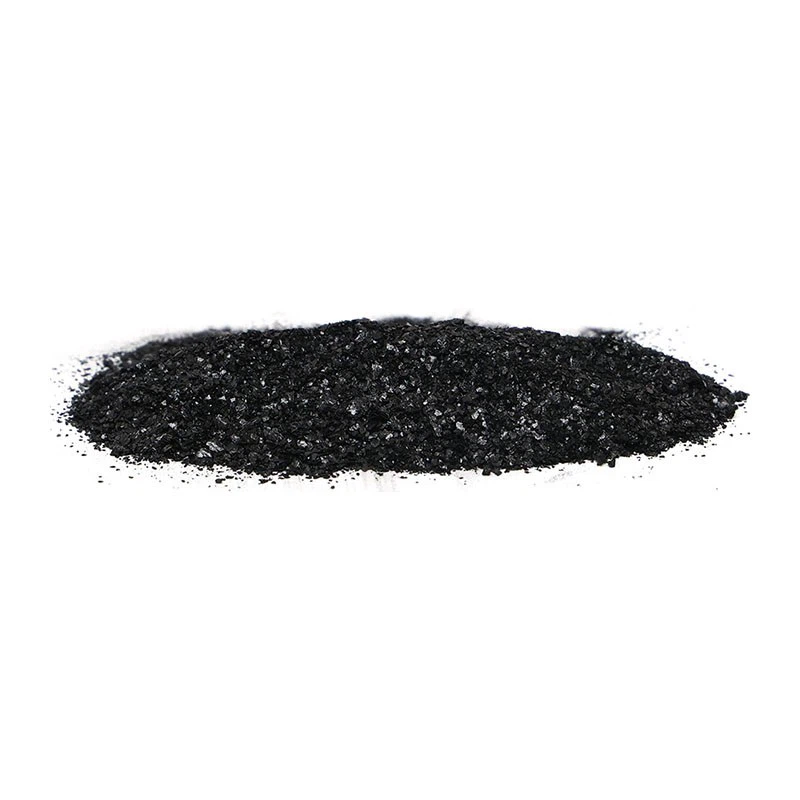

If you're interested in improving the air permeability of your soil and enhancing the health and productivity of your plants, I encourage you to consider using our Amino Acid Fertilizer. Our product is formulated with high-quality amino acids and other beneficial ingredients to provide maximum benefits for your soil and plants. If you have any questions or would like to discuss your specific needs, please feel free to contact us for a consultation and potential purchase negotiation.
References
- Brady, N. C., & Weil, R. R. (2008). The nature and properties of soils. Pearson Prentice Hall.
- Stevenson, F. J. (1994). Humus chemistry: genesis, composition, reactions. John Wiley & Sons.
- Zhang, R., & Schmidt, S. K. (2000). Influence of amino acids on soil aggregation and microbial activity. Soil Science Society of America Journal, 64(3), 911-917.


