

As a supplier of Bio Organic Fertilizer, I often receive inquiries from citrus growers about the suitability of bio organic fertilizers for their citrus trees. In this blog post, I will delve into the topic and provide a comprehensive answer based on scientific research and practical experience.
The Benefits of Bio Organic Fertilizer for Citrus Trees
Citrus trees, like all plants, require a balanced supply of nutrients to grow and produce healthy fruits. Bio organic fertilizers offer several advantages over traditional chemical fertilizers when it comes to nurturing citrus trees.
Nutrient - Rich and Balanced
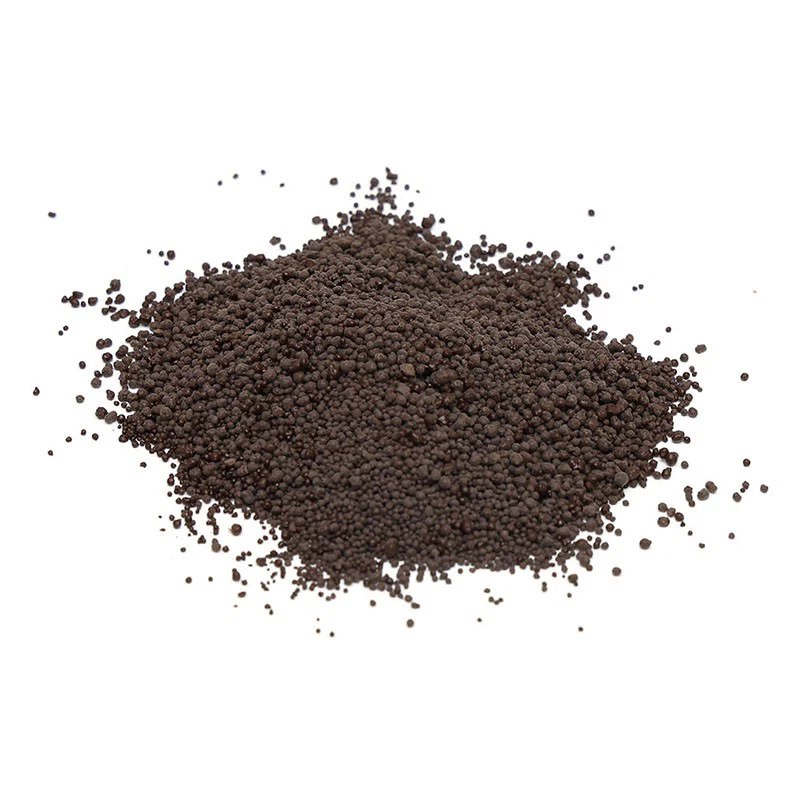
Bio organic fertilizers are derived from natural sources such as plant residues, animal manure, and microbial metabolites. They contain a wide range of essential nutrients including nitrogen (N), phosphorus (P), potassium (K), as well as secondary and micronutrients like calcium, magnesium, iron, zinc, and manganese. For instance, Amino Acid Organic Fertilizer Granule 12 - 0 - 1 is rich in amino acids and other organic compounds that can enhance the nutrient uptake of citrus trees. These nutrients are released slowly and steadily, providing a long - term supply of nourishment to the trees.
Soil Improvement
One of the key benefits of bio organic fertilizers is their ability to improve soil structure and fertility. They increase the organic matter content in the soil, which in turn enhances soil aeration, water - holding capacity, and cation exchange capacity. This is particularly important for citrus trees, as they prefer well - drained soils with good water - retention properties. Bio organic fertilizers also promote the growth of beneficial soil microorganisms, such as bacteria and fungi, which can help break down organic matter, release nutrients, and protect the roots from diseases. Yeast Metabolite Granular Fertilizer can stimulate the activity of these beneficial microorganisms, creating a healthy soil ecosystem for citrus trees.
Environmental Friendliness
In an era of increasing environmental awareness, bio organic fertilizers are a more sustainable option compared to chemical fertilizers. They are made from renewable resources and have a lower impact on the environment. Bio organic fertilizers reduce the risk of water pollution caused by nutrient runoff and minimize the emission of greenhouse gases associated with the production and use of chemical fertilizers. By using bio organic fertilizers, citrus growers can contribute to a more sustainable and eco - friendly agricultural system.

Enhanced Fruit Quality
The use of bio organic fertilizers can have a positive impact on the quality of citrus fruits. They can improve the flavor, color, and nutritional value of the fruits. The slow - release nature of bio organic fertilizers ensures that the trees receive a consistent supply of nutrients throughout the growing season, which can result in larger, juicier, and more flavorful fruits. Additionally, the increased organic matter in the soil can enhance the uptake of trace elements, which are important for the development of fruit quality.
Application of Bio Organic Fertilizer for Citrus Trees
Timing
The timing of bio organic fertilizer application is crucial for the healthy growth of citrus trees. Generally, it is recommended to apply bio organic fertilizers during the tree's active growth periods, such as spring and autumn. In spring, the application of bio organic fertilizer can provide the necessary nutrients for new shoot growth and flower bud formation. In autumn, it can help the trees store nutrients for the winter and prepare for the next growing season.
Dosage
The dosage of bio organic fertilizer depends on several factors, including the age, size, and health of the citrus trees, as well as the soil fertility. For young citrus trees, a smaller amount of bio organic fertilizer can be applied, gradually increasing the dosage as the trees grow. As a general guideline, for mature citrus trees, an application rate of 5 - 10 kg of bio organic fertilizer per tree per year can be considered. However, it is always advisable to conduct a soil test to determine the exact nutrient requirements of the soil and adjust the dosage accordingly.
Application Method
There are several methods of applying bio organic fertilizers to citrus trees. One common method is to spread the fertilizer evenly around the tree's drip line, which is the area directly below the outer edge of the tree's canopy. After spreading the fertilizer, it should be lightly incorporated into the soil to a depth of about 5 - 10 cm. Another method is to use a hole - digging method, where holes are dug around the tree and the fertilizer is placed in the holes. This method can ensure that the fertilizer is delivered directly to the root zone.
Customized Solutions for Citrus Growers
At our company, we understand that every citrus orchard is unique, with different soil conditions, tree varieties, and management practices. That's why we offer Customized Organic Fertilizer solutions tailored to the specific needs of citrus growers. Our team of experts can conduct a detailed soil analysis and tree assessment to develop a personalized fertilizer program for your citrus orchard. Whether you need a fertilizer with a specific nutrient ratio or a product that addresses a particular soil problem, we can provide you with a customized solution.
Conclusion
In conclusion, bio organic fertilizers can be effectively used for citrus trees. They offer numerous benefits, including nutrient - rich and balanced nourishment, soil improvement, environmental friendliness, and enhanced fruit quality. By following the proper application methods and dosages, citrus growers can achieve healthy tree growth and high - quality fruit production. If you are a citrus grower looking for a sustainable and effective fertilizer solution, we invite you to contact us for more information and to discuss your specific needs. Our team is ready to assist you in choosing the right bio organic fertilizer for your citrus orchard and providing you with professional advice on its application.
References
- Brady, N. C., & Weil, R. R. (2008). The Nature and Properties of Soils. Pearson Prentice Hall.
- Marschner, P. (2012). Mineral Nutrition of Higher Plants. Academic Press.
- Smith, S. E., & Read, D. J. (2008). Mycorrhizal Symbiosis. Academic Press.


