

Can Mineral Fertilizer Increase Crop Yield?
Hey there, fellow farmers and agriculture enthusiasts! I'm a supplier of mineral fertilizers, and I've been in this business for quite a while. One question that I get asked a lot is, "Can mineral fertilizer increase crop yield?" Well, let's dive right into it and explore this topic.
First off, let's understand what mineral fertilizers are. Mineral fertilizers are substances that contain essential nutrients for plants, such as nitrogen (N), phosphorus (P), and potassium (K), also known as NPK. These nutrients are crucial for the growth, development, and overall health of crops. In nature, the soil may not always have an adequate supply of these nutrients, especially in areas where intensive farming is practiced. That's where mineral fertilizers come in handy.
Nitrogen is a key component in the formation of proteins, chlorophyll, and other vital compounds in plants. It promotes leafy growth and gives plants that lush, green color. Phosphorus is essential for energy transfer within the plant, root development, and flower and fruit formation. Potassium helps in regulating various physiological processes in plants, such as water uptake, enzyme activation, and disease resistance.
When we talk about increasing crop yield, it's all about providing the right amount of these nutrients at the right time. Mineral fertilizers can do just that. By adding them to the soil, we can supplement the nutrient levels and ensure that the crops have everything they need to thrive.
Let me share some real - life examples. I've had customers who were struggling with low yields in their wheat fields. After analyzing the soil, we found that it was deficient in nitrogen. We recommended a nitrogen - rich mineral fertilizer, and within a few weeks, they started to notice a significant difference. The wheat plants grew taller, had more tillers, and eventually produced a much higher yield at harvest time.
Another case was a strawberry farm. The strawberries were small and not very sweet. A soil test revealed a lack of potassium. We suggested a potassium - based mineral fertilizer, like the Potassium Humate Fertilizer. After applying it, the strawberries became larger, sweeter, and had a better shelf - life. The farmer was really happy with the results and saw a boost in his profits.
But it's not just about adding any mineral fertilizer. The type of fertilizer you choose depends on the crop you're growing, the soil conditions, and the climate. For example, some crops, like potatoes, are heavy feeders of potassium. So, using a Potassium Fulvate Fertilizer can be a great choice for potato farmers. On the other hand, if you're growing leafy vegetables, a nitrogen - rich fertilizer might be more appropriate.
It's also important to apply the fertilizer correctly. Over - fertilizing can be just as bad as under - fertilizing. Too much nitrogen, for instance, can lead to excessive vegetative growth at the expense of fruit or seed production. It can also cause environmental problems, such as water pollution when the excess nutrients leach into water bodies.
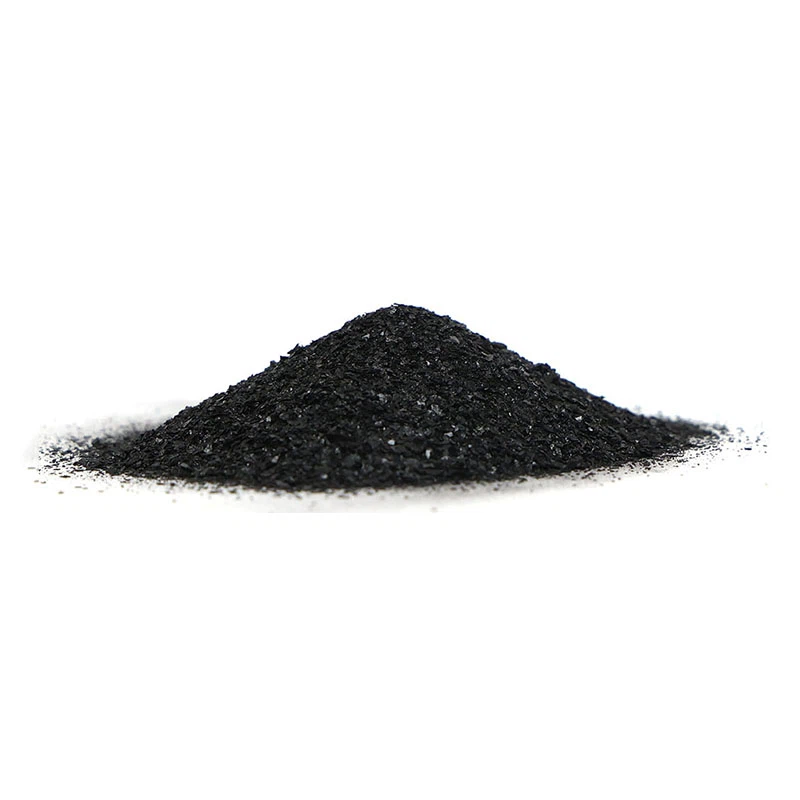

We've developed a range of high - quality mineral fertilizers to meet different needs. Our Sodium Humate Fertilizer is great for improving soil structure and enhancing nutrient availability. It helps the soil hold onto water and nutrients better, which in turn benefits the crops.
Now, let's talk about some of the scientific studies that back up the use of mineral fertilizers for increasing crop yield. Numerous research projects have been conducted around the world, and the results are quite consistent. A study in a major agricultural research institute found that using balanced mineral fertilizers increased the yield of corn by up to 30% compared to non - fertilized fields. Similar results have been reported for other crops like rice, soybeans, and tomatoes.
However, it's not all rosy. There are some challenges associated with using mineral fertilizers. One of the main concerns is the cost. High - quality mineral fertilizers can be expensive, especially for small - scale farmers. But when you consider the potential increase in yield and the economic benefits in the long run, it can be a worthwhile investment.
Another issue is the environmental impact. As I mentioned earlier, improper use of fertilizers can lead to pollution. But we're constantly working on developing more sustainable fertilizers and promoting best practices in fertilizer application. For example, we're looking into slow - release fertilizers that release nutrients gradually over time, reducing the risk of leaching.
In conclusion, mineral fertilizers can definitely increase crop yield when used correctly. They provide the essential nutrients that crops need to grow and produce more. Whether you're a large - scale commercial farmer or a small - scale grower, the right mineral fertilizer can make a big difference in your harvest.
If you're interested in learning more about our mineral fertilizers or want to discuss which one is best for your crops, don't hesitate to reach out. We're here to help you maximize your crop yield and make your farming operation more profitable.
References
- Agricultural Research Journal: "The Impact of Mineral Fertilizers on Crop Yield in Different Soil Types"
- International Journal of Plant Nutrition: "Effect of Balanced Fertilization on the Yield and Quality of Major Crops"


