Hey there! As an organic fertilizer supplier, I've been getting a lot of questions lately about whether organic fertilizer can actually reduce soil pollution. It's a hot topic, and I'm super excited to dive into it with you all.
Let's first understand what soil pollution is. Soil pollution occurs when there are harmful substances in the soil, such as heavy metals (like lead, mercury, and cadmium), pesticides, and chemical fertilizers. These pollutants can come from various sources, including industrial activities, improper waste disposal, and over - use of synthetic chemicals in agriculture.
Now, here's where organic fertilizer comes in. Organic fertilizers are made from natural materials like animal manure, compost, and plant residues. They're a far cry from those chemical fertilizers that are often loaded with synthetic chemicals.
One of the main ways organic fertilizer helps reduce soil pollution is by improving soil structure. When you add organic fertilizer to the soil, it acts like a glue that binds soil particles together. This creates better soil aggregation, which means there are more pore spaces in the soil. These pore spaces allow for better water infiltration and air circulation. With improved water infiltration, the risk of waterlogging is reduced. Waterlogging can lead to the leaching of pollutants into groundwater, so by preventing it, organic fertilizer indirectly helps in reducing soil pollution.
Another great thing about organic fertilizers is that they can help in immobilizing heavy metals in the soil. Heavy metals are a major concern when it comes to soil pollution. They can be toxic to plants, animals, and humans. Organic fertilizers contain substances like humic and fulvic acids. These acids can form complexes with heavy metals. When these complexes are formed, the heavy metals become less mobile in the soil. This means they're less likely to be taken up by plants or leached into groundwater. For example, Fulvic Acid Fertilizer is rich in fulvic acids, which have a high affinity for heavy metals.
Organic fertilizers also promote the growth of beneficial soil microorganisms. These microorganisms play a crucial role in the soil ecosystem. They help in breaking down organic matter, releasing nutrients for plants, and even in degrading pollutants. Some microorganisms can break down pesticides and other harmful chemicals in the soil. When you use organic fertilizers, you're providing a food source for these microorganisms. For instance, compost, a type of organic fertilizer, is full of organic matter that these microorganisms love to feast on. As the population of beneficial microorganisms increases, the overall health of the soil improves, and the ability of the soil to deal with pollutants also goes up.
Let's talk about the long - term effects. Chemical fertilizers are often used in large quantities in modern agriculture. Over time, the continuous use of these fertilizers can lead to soil acidification. Acidic soil can release more heavy metals from the soil particles, increasing the pollution levels. Organic fertilizers, on the other hand, have a buffering effect on soil pH. They can help maintain the soil pH at a more neutral level, which is beneficial for both plants and the overall soil environment.
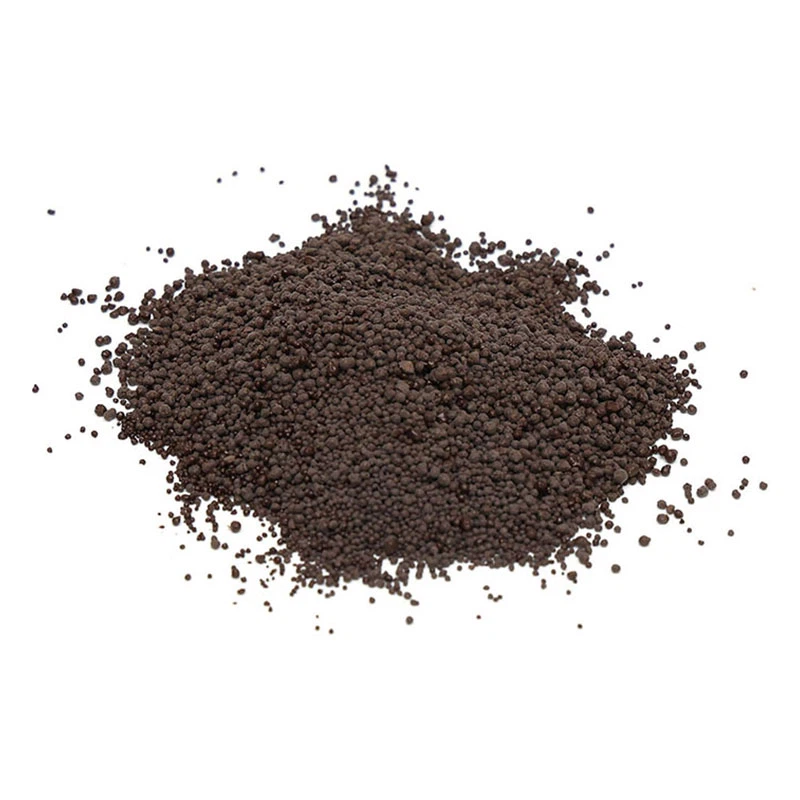

Now, let's compare organic fertilizers with chemical fertilizers in terms of nutrient release. Chemical fertilizers release nutrients very quickly. This can lead to a situation where plants can't absorb all the nutrients at once. The excess nutrients then get washed away, causing eutrophication in water bodies. Eutrophication is a form of water pollution that can lead to the death of aquatic life. Organic fertilizers, however, release nutrients slowly. They act as a slow - release system, providing a steady supply of nutrients to plants over a longer period. This reduces the risk of nutrient runoff and the associated water pollution.
Humic Acid Fertilizer is another great option. Humic acids in this fertilizer can improve the cation exchange capacity (CEC) of the soil. CEC is a measure of the soil's ability to hold and exchange nutrients. A higher CEC means the soil can hold more nutrients, reducing the chances of nutrient leaching and pollution.
Amino Acid Fertilizer is also worth mentioning. Amino acids are building blocks of proteins. When added to the soil as fertilizer, they can enhance plant growth and stress tolerance. They also interact with the soil environment in a way that can help in reducing the negative impacts of pollutants. For example, they can improve the root system of plants, allowing plants to better withstand the presence of pollutants in the soil.
I know some of you might be thinking, "Organic fertilizers are great, but they're expensive and not as effective as chemical fertilizers." Well, it's true that organic fertilizers might cost a bit more upfront. But when you consider the long - term benefits, like reduced soil pollution, improved soil health, and better - quality produce, the investment is definitely worth it. And in terms of effectiveness, while organic fertilizers might not give you an immediate boost like chemical fertilizers, they provide a more sustainable and long - lasting solution for your crops.
In conclusion, organic fertilizers can definitely reduce soil pollution. They work in multiple ways, from improving soil structure to immobilizing heavy metals, promoting beneficial microorganisms, and regulating nutrient release. As an organic fertilizer supplier, I've seen the positive impact of our products on farms and gardens. The soil becomes healthier, the plants grow better, and the environment benefits as well.
If you're a farmer, a gardener, or just someone interested in sustainable agriculture, I encourage you to give organic fertilizers a try. Whether you're looking to reduce soil pollution on your land or just want to grow healthier plants, our range of organic fertilizers can meet your needs. Contact us to start a discussion about your specific requirements. We're here to help you make the switch to a more sustainable and pollution - free soil management system.
References
- Brady, N. C., & Weil, R. R. (2008). The nature and properties of soils. Pearson Prentice Hall.
- Lal, R. (2004). Soil degradation and restoration. Taylor & Francis.
- Stevenson, F. J. (1994). Humus chemistry: genesis, composition, reactions. Wiley.