

Vermicompost, often hailed as "black gold" in the gardening world, is the product of the decomposition of organic matter by earthworms. As a vermicompost supplier, I've witnessed firsthand the numerous benefits it brings to traditional soil - based gardening. But a question that frequently arises is whether vermicompost can be used in hydroponics, a soil - less method of growing plants. In this blog, we'll explore the feasibility, advantages, and potential challenges of incorporating vermicompost into hydroponic systems.

Understanding Vermicompost and Hydroponics
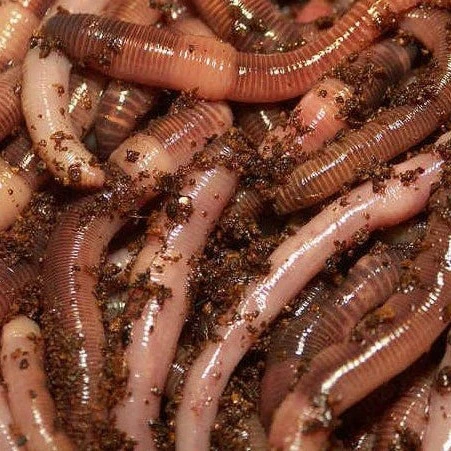
Before delving into the compatibility of vermicompost and hydroponics, let's briefly understand what each is. Vermicompost is a nutrient - rich organic fertilizer produced through the process of vermicomposting. Earthworms consume organic materials such as food waste, manure, and plant residues. As they digest these materials, they excrete castings that are teeming with beneficial microorganisms, humus, and a wide range of essential nutrients like nitrogen, phosphorus, and potassium.
Hydroponics, on the other hand, is a method of growing plants without soil. Instead, plants are grown in a nutrient - rich water solution, which provides all the necessary elements for growth. This system allows for precise control over the plant's nutrient intake, water usage, and environmental conditions, often resulting in faster growth rates and higher yields compared to traditional soil - based methods.
Feasibility of Using Vermicompost in Hydroponics
The use of vermicompost in hydroponics is indeed feasible, but it requires some adaptations. Vermicompost contains a wealth of nutrients that are vital for plant growth. These nutrients can be gradually released into the hydroponic solution, providing a natural and sustainable source of nourishment for plants.
One way to use vermicompost in hydroponics is by creating a vermicompost tea. To make vermicompost tea, a small amount of vermicompost is steeped in water for a period of time. During this process, the nutrients and beneficial microorganisms in the vermicompost are leached into the water. The resulting tea can then be added to the hydroponic nutrient solution. This not only enriches the solution with essential nutrients but also introduces beneficial bacteria and fungi that can help protect plants from diseases and improve their overall health.
Another approach is to use vermicompost as a component in growing media for hydroponic systems. Some hydroponic setups use inert growing media such as perlite, coconut coir, or rockwool to support the plants' roots. Vermicompost can be mixed with these media in small proportions. The vermicompost will slowly release nutrients into the water as the plants take up water and nutrients from the growing media.
Advantages of Using Vermicompost in Hydroponics
- Nutrient - rich source: Vermicompost is a complete fertilizer that contains a balanced mix of macro and micronutrients. It provides nitrogen, phosphorus, potassium, calcium, magnesium, and trace elements like iron, zinc, and manganese. These nutrients are released slowly, reducing the risk of over - fertilization, which can be a common problem in hydroponic systems.
- Beneficial microorganisms: Vermicompost is home to a diverse community of beneficial bacteria, fungi, and other microorganisms. These microorganisms can help break down organic matter, making nutrients more available to plants. They also play a crucial role in suppressing plant diseases by competing with harmful pathogens for space and nutrients.
- Improved soil structure in growing media: When used in growing media, vermicompost can improve the physical properties of the media. It helps to retain moisture, improve aeration, and provide a better environment for root growth. This can lead to stronger and healthier plants with a more extensive root system.
- Sustainability: As a natural and organic product, vermicompost is an environmentally friendly alternative to synthetic fertilizers. It is made from recycled organic materials, reducing waste and promoting a circular economy. Using vermicompost in hydroponics aligns with the growing trend towards sustainable and eco - friendly farming practices.
Potential Challenges
- Clogging of hydroponic systems: Vermicompost contains organic matter that can break down into small particles. If not properly filtered, these particles can clog the pumps, pipes, and emitters in a hydroponic system. To avoid this, it is essential to strain the vermicompost tea thoroughly before adding it to the hydroponic solution.
- Nutrient imbalances: While vermicompost is a rich source of nutrients, the nutrient content can vary depending on the source materials and the vermicomposting process. This can make it challenging to achieve a precise and consistent nutrient balance in the hydroponic solution. Regular monitoring of the nutrient levels in the solution is necessary to ensure that plants are getting the right amount of nutrients.
- Microbial contamination: Although most of the microorganisms in vermicompost are beneficial, there is a risk of introducing harmful pathogens if the vermicompost is not properly produced or stored. It is important to source vermicompost from a reliable supplier and ensure that it has been properly cured to eliminate any potential pathogens.
Our Earth Worm Granular Fertilizer
As a vermicompost supplier, we offer high - quality Earth Worm Granular Fertilizer. Our product is carefully produced using a controlled vermicomposting process. We use a mix of high - quality organic materials, ensuring that our vermicompost is rich in nutrients and beneficial microorganisms.
The granular form of our fertilizer makes it easy to handle and use in both traditional gardening and hydroponic systems. For hydroponics, our Earth Worm Granular Fertilizer can be used to make vermicompost tea or mixed with growing media. It provides a convenient and effective way to introduce the benefits of vermicompost into your hydroponic setup.
Conclusion
In conclusion, vermicompost can be a valuable addition to hydroponic systems. It offers a natural and sustainable source of nutrients, beneficial microorganisms, and other advantages that can enhance plant growth and health. However, it is important to be aware of the potential challenges and take appropriate measures to address them.
If you're interested in incorporating vermicompost into your hydroponic system, we invite you to explore our Earth Worm Granular Fertilizer. Our team is ready to assist you with any questions you may have and to discuss how our product can meet your specific needs. Whether you're a small - scale hobbyist or a large - scale commercial grower, we can work with you to find the best solution for your hydroponic operation. Contact us today to start a procurement discussion and experience the benefits of using high - quality vermicompost in your hydroponics.
References
- Arancon, N. Q., Edwards, C. A., Bierman, P., Welch, C., & Metzger, J. D. (2004). The influence of vermicomposts on plant growth in horticultural container media. Bioresource Technology, 93(1), 115 - 123.
- Edwards, C. A., & Arancon, N. Q. (2004). The potential use of vermicomposting for the recycling of organic wastes in developing countries. Waste Management, 24(4), 361 - 365.
- Raviv, M., & Lieth, J. H. (2008). Growing media and substrates for greenhouse crops. CRC Press.


