

In modern agriculture, the pursuit of high - yield, high - quality crops has led to the widespread use of various agricultural inputs. Among them, water - soluble fertilizers and soil conditioners have become two important categories. As a water - soluble fertilizer supplier, I often receive inquiries from farmers and agricultural enterprises about whether water - soluble fertilizers can be used in combination with soil conditioners. In this blog, I will delve into this topic from a scientific perspective.
Understanding Water - Soluble Fertilizers
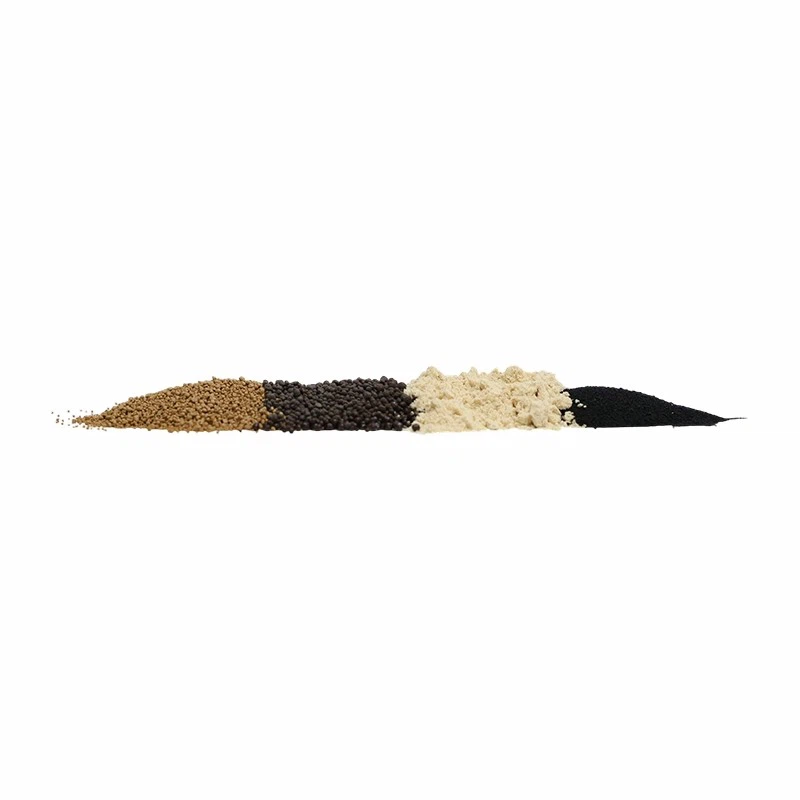
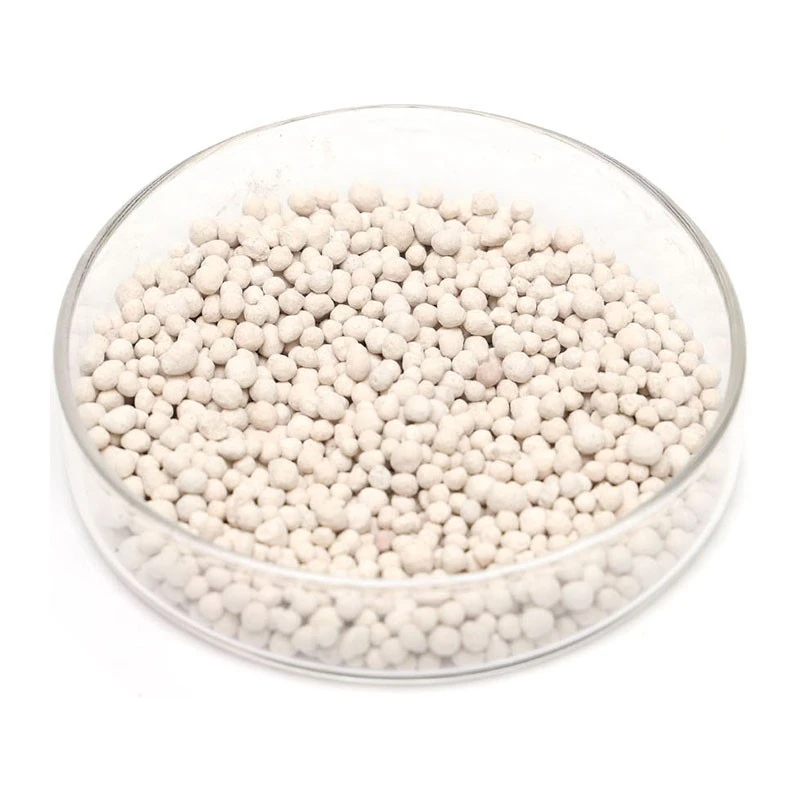
Water - soluble fertilizers are fertilizers that can be completely dissolved in water. They are known for their fast - acting nature and high utilization rate. Our company offers a wide range of water - soluble fertilizers, including NPK Water Soluble Fertilizer, Trace Element Water Soluble Feretilizer, and Medium Element Water Soluble Fertilizer.
NPK water - soluble fertilizers are the most common type. They provide the three primary nutrients - nitrogen (N), phosphorus (P), and potassium (K) - which are essential for plant growth. Nitrogen promotes leaf and stem development, phosphorus is crucial for root growth and flower formation, and potassium enhances plant stress resistance and fruit quality.
Trace element water - soluble fertilizers contain essential micronutrients such as iron (Fe), manganese (Mn), zinc (Zn), copper (Cu), molybdenum (Mo), and boron (B). Although these elements are required in small quantities, they play vital roles in various physiological processes of plants, such as enzyme activation and photosynthesis.
Medium - element water - soluble fertilizers supply secondary nutrients like calcium (Ca), magnesium (Mg), and sulfur (S). These nutrients are important for cell structure, enzyme function, and chlorophyll synthesis.
Understanding Soil Conditioners
Soil conditioners are substances added to the soil to improve its physical, chemical, and biological properties. They can enhance soil structure, increase water - holding capacity, improve aeration, and promote the activity of beneficial soil microorganisms.
There are several types of soil conditioners. Organic soil conditioners, such as compost, manure, and peat moss, add organic matter to the soil, which helps to improve soil fertility and structure. Inorganic soil conditioners, like lime and gypsum, can adjust soil pH and improve soil texture. Synthetic soil conditioners, such as polymers, can increase the soil's water - holding capacity.
Compatibility of Water - Soluble Fertilizers and Soil Conditioners
The answer to whether water - soluble fertilizers can be used in combination with soil conditioners is generally yes, but there are some points to consider.
Chemical Compatibility
One of the main concerns when combining water - soluble fertilizers and soil conditioners is chemical compatibility. For example, if you use a water - soluble fertilizer with a high acidic nature and a soil conditioner that is alkaline, they may react with each other, reducing the effectiveness of both products. Therefore, it is important to understand the chemical properties of the products you are using.
Let's take the case of adding lime (an alkaline soil conditioner) to the soil. If you plan to use a water - soluble fertilizer that contains ammonium ions (NH₄⁺), the high pH environment created by lime can cause the ammonium ions to be converted into ammonia gas (NH₃), resulting in nitrogen loss. In this situation, it is advisable to apply lime and the water - soluble fertilizer separately at different times.
However, in most cases, if the chemical properties are compatible, the combination can have synergistic effects. For instance, organic soil conditioners can adsorb and retain nutrients from water - soluble fertilizers, reducing nutrient leaching and making the nutrients more available to plants over a longer period.
Physical Compatibility
Physical compatibility is also important. Some soil conditioners, such as granular forms, may affect the solubility of water - soluble fertilizers. If the soil conditioner particles are too large or have a high clay content, they may interfere with the dissolution and dispersion of water - soluble fertilizers in the soil solution.
To ensure physical compatibility, it is recommended to mix the products thoroughly before application. If you are using a fertigation system (applying fertilizers through irrigation), make sure that the soil conditioner does not clog the pipes or emitters.
Biological Compatibility
The combination of water - soluble fertilizers and soil conditioners can also have an impact on soil microorganisms. Some soil conditioners, especially organic ones, can stimulate the growth of beneficial soil microorganisms. Water - soluble fertilizers can provide the nutrients needed for these microorganisms to thrive.
For example, certain water - soluble fertilizers with a high content of organic carbon can support the growth of bacteria and fungi in the soil. When used in combination with organic soil conditioners, they can create a more favorable soil environment for microbial activity, which in turn can improve soil fertility and plant health.
Benefits of Combining Water - Soluble Fertilizers and Soil Conditioners
Improving Nutrient Availability
Soil conditioners can improve soil structure, which in turn enhances the movement of water and nutrients in the soil. When water - soluble fertilizers are applied in combination with soil conditioners, the nutrients can be more evenly distributed in the soil and more easily absorbed by plant roots. For example, a soil conditioner that improves soil porosity allows water - soluble fertilizers to penetrate deeper into the soil, reaching the root zone more effectively.
Enhancing Soil Fertility
The addition of organic soil conditioners can increase the organic matter content in the soil. Organic matter serves as a reservoir for nutrients, including those provided by water - soluble fertilizers. It can also improve soil cation - exchange capacity (CEC), which means the soil can hold and release nutrients more efficiently.
Promoting Plant Growth and Yield
By improving nutrient availability and soil fertility, the combined use of water - soluble fertilizers and soil conditioners can significantly promote plant growth. Plants have better access to the nutrients they need at different growth stages, resulting in stronger root systems, healthier leaves, and higher yields.
Application Guidelines
When using water - soluble fertilizers and soil conditioners in combination, the following guidelines should be followed:
Conduct a Soil Test
Before applying any fertilizers or soil conditioners, it is essential to conduct a soil test. A soil test can provide information about the soil's pH, nutrient content, and other physical and chemical properties. Based on the test results, you can choose the appropriate water - soluble fertilizers and soil conditioners and determine the correct application rates.
Follow the Manufacturer's Instructions
Each product has its own specific application instructions. Make sure to read and follow the instructions provided by the manufacturers of both the water - soluble fertilizers and the soil conditioners. This includes information on application rates, timing, and method of application.
Monitor Plant Response
After applying the combined products, closely monitor the plant's response. Look for signs of healthy growth, such as vibrant leaves, strong stems, and normal flower and fruit development. If you notice any signs of nutrient deficiency or toxicity, adjust the application rates accordingly.
Conclusion
In conclusion, water - soluble fertilizers can generally be used in combination with soil conditioners, and in many cases, this combination can bring significant benefits to agriculture. As a water - soluble fertilizer supplier, we are dedicated to providing high - quality products and scientific advice to help farmers and agricultural enterprises make the best use of these products.
If you are interested in purchasing our water - soluble fertilizers or have any questions about their combination with soil conditioners, please feel free to contact us for further discussion and procurement negotiations. We are here to support you in achieving optimal agricultural results.
References
- Brady, N. C., & Weil, R. R. (2008). The nature and properties of soils. Pearson Prentice Hall.
- Mengel, K., & Kirkby, E. A. (2001). Principles of plant nutrition. Kluwer Academic Publishers.


