

Can water soluble fertilizer be used in cotton fields?
As a water soluble fertilizer supplier, I've often been asked whether water soluble fertilizers are suitable for cotton fields. The answer is a resounding yes, and in this blog, I'll delve into the reasons why water soluble fertilizers can be a game - changer for cotton cultivation.
The Nutritional Needs of Cotton Plants
Cotton is a crop that has specific nutritional requirements at different growth stages. During the early vegetative stage, cotton plants need a sufficient supply of nitrogen (N) to support the growth of leaves and stems. Nitrogen is a key component of chlorophyll, which is essential for photosynthesis. Phosphorus (P) is crucial during the root development stage as it promotes strong root growth and helps in energy transfer within the plant. Potassium (K) plays a vital role in enhancing the plant's resistance to diseases, improving fiber quality, and regulating water uptake.
In addition to the primary macronutrients (N, P, and K), cotton also requires secondary macronutrients such as calcium (Ca), magnesium (Mg), and sulfur (S), as well as micronutrients like iron (Fe), manganese (Mn), zinc (Zn), copper (Cu), boron (B), and molybdenum (Mo). These nutrients are involved in various physiological processes of the plant, such as enzyme activation, protein synthesis, and cell wall formation.
Advantages of Water Soluble Fertilizers for Cotton Fields
-
Precise Nutrient Delivery
Water soluble fertilizers can be easily dissolved in water and applied through irrigation systems, such as drip irrigation or sprinkler irrigation. This allows for precise control over the amount and timing of nutrient application. Farmers can adjust the nutrient concentration according to the specific needs of the cotton plants at different growth stages. For example, during the flowering and boll - setting stage, a higher proportion of phosphorus and potassium can be provided to promote flower formation and boll development. -
Improved Nutrient Uptake
Since water soluble fertilizers are in a dissolved form, the nutrients are readily available for the cotton roots to absorb. This reduces the risk of nutrient fixation in the soil, which can occur with traditional granular fertilizers. In some soils with high clay content or alkaline pH, certain nutrients like phosphorus and micronutrients may become less available to plants. Water soluble fertilizers can bypass these issues and ensure that the cotton plants receive an adequate supply of nutrients. -
Enhanced Efficiency
Water soluble fertilizers can be applied in small, frequent doses, which is known as fertigation. This method not only provides the necessary nutrients but also reduces water usage. By combining irrigation and fertilization, farmers can optimize the use of water and nutrients, leading to higher yields and better resource utilization. Moreover, the quick - acting nature of water soluble fertilizers allows for a faster response from the cotton plants, which can be beneficial in case of nutrient deficiencies or adverse environmental conditions. -
Flexibility in Application
Water soluble fertilizers can be used in different types of cotton fields, including both large - scale commercial farms and small - scale family farms. They can be applied through various irrigation systems, making them suitable for different farming practices. Whether it's a drip - irrigated field in an arid region or a sprinkler - irrigated field in a more humid area, water soluble fertilizers can be effectively utilized.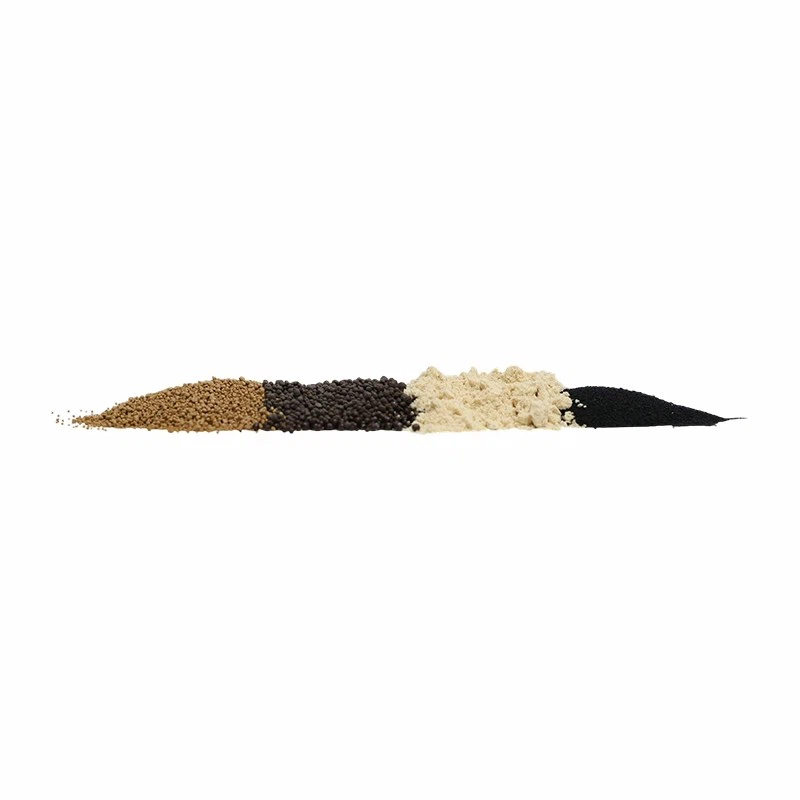

Types of Water Soluble Fertilizers for Cotton Fields
-
NPK Water Soluble Fertilizer
NPK water soluble fertilizers are a popular choice for cotton fields as they provide the three primary macronutrients in a balanced ratio. Different formulations are available to meet the specific needs of cotton plants at different growth stages. For example, a 20 - 20 - 20 NPK fertilizer can be used during the early vegetative stage to provide equal amounts of nitrogen, phosphorus, and potassium. As the plants enter the reproductive stage, a fertilizer with a higher potassium content, such as 10 - 10 - 30, can be applied to support boll development and improve fiber quality. -
Organic Water Soluble Fertilizer
Organic water soluble fertilizers are derived from natural sources, such as plant extracts, animal manure, and compost. They are rich in organic matter and beneficial microorganisms, which can improve soil structure and fertility. Organic water soluble fertilizers can enhance the soil's water - holding capacity, promote root growth, and reduce the incidence of soil - borne diseases. They are also environmentally friendly and can be used in organic cotton farming systems. -
Medium Element Water Soluble Fertilizer
Medium element water soluble fertilizers contain secondary macronutrients such as calcium, magnesium, and sulfur. These nutrients are essential for cotton plants, although they are required in smaller quantities compared to the primary macronutrients. Calcium is important for cell wall strength and disease resistance, magnesium is a component of chlorophyll, and sulfur is involved in protein synthesis. Applying medium element water soluble fertilizers can help prevent nutrient deficiencies and improve the overall health of the cotton plants.
Case Studies and Real - World Applications
Many cotton farmers around the world have already adopted water soluble fertilizers and have reported positive results. In some regions of China, farmers who switched from traditional fertilizers to water soluble fertilizers in their cotton fields have seen an increase in yield by up to 15 - 20%. The improved fiber quality has also led to better market prices for their cotton products.
In the United States, large - scale cotton farms in the Southwestern states have been using water soluble fertilizers through drip irrigation systems. This has not only improved the efficiency of nutrient use but also reduced water consumption. The precise nutrient delivery has resulted in more uniform plant growth and higher boll retention rates.
Considerations When Using Water Soluble Fertilizers in Cotton Fields
-
Water Quality
The quality of the water used for dissolving the water soluble fertilizers is crucial. Water with high levels of salts, heavy metals, or other contaminants can affect the solubility and effectiveness of the fertilizers. It's important to test the water quality regularly and take appropriate measures, such as water treatment or adjusting the fertilizer formulation, to ensure optimal results. -
Fertilizer Compatibility
When using multiple water soluble fertilizers or combining them with pesticides or other chemicals, it's necessary to check their compatibility. Some fertilizers and chemicals may react with each other, leading to precipitation or reduced efficacy. It's advisable to conduct a small - scale compatibility test before large - scale application. -
Application Rates
Over - application of water soluble fertilizers can lead to nutrient imbalances, environmental pollution, and increased production costs. Farmers should follow the recommended application rates based on soil testing results, plant nutrient requirements, and local farming practices.
Conclusion
Water soluble fertilizers are an excellent choice for cotton fields. They offer numerous advantages in terms of precise nutrient delivery, improved uptake, enhanced efficiency, and flexibility in application. By choosing the right type of water soluble fertilizer and following proper application practices, cotton farmers can increase their yields, improve fiber quality, and reduce the environmental impact of their farming operations.
If you're a cotton farmer looking to enhance your crop production, I encourage you to consider using our high - quality water soluble fertilizers. Our products are formulated to meet the specific nutritional needs of cotton plants at different growth stages. We also offer professional technical support to help you achieve the best results. Please feel free to contact us to start a discussion about your fertilizer requirements and explore how our products can benefit your cotton fields.
References
- Mengel, K., & Kirkby, E. A. (2001). Principles of Plant Nutrition. Kluwer Academic Publishers.
- Marschner, P. (2012). Mineral Nutrition of Higher Plants. Academic Press.
- Raun, W. R., & Johnson, G. V. (1999). Improving nitrogen use efficiency for cereal production. Agronomy Journal, 91(3), 357 - 363.


