

As a supplier of yeast granular fertilizer, I am often asked whether our product can be effectively used in mango orchards. In this blog post, I will delve into the scientific aspects of using yeast granular fertilizer in mango cultivation, exploring its benefits, application methods, and potential challenges.
The Science Behind Yeast Granular Fertilizer
Yeast granular fertilizer is a type of organic fertilizer that is rich in various nutrients and bioactive substances. Yeast, as a microorganism, undergoes a series of metabolic processes during its growth and fermentation. These metabolic products include amino acids, vitamins, enzymes, and organic acids, which are all beneficial for plant growth.
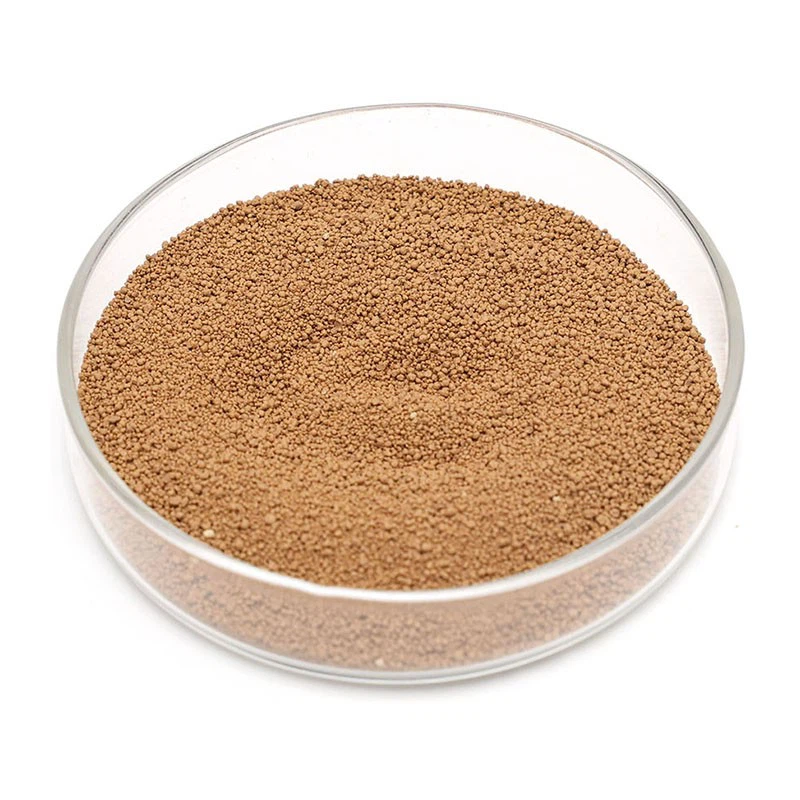

Amino acids are the building blocks of proteins, and they play a crucial role in plant metabolism, growth, and development. They can be directly absorbed by plants, promoting the synthesis of proteins and other important biomolecules. Vitamins, such as vitamin B complex, are involved in various enzymatic reactions in plants, enhancing their physiological functions. Enzymes in yeast granular fertilizer can accelerate the decomposition of organic matter in the soil, making nutrients more readily available to plants. Organic acids can improve soil structure, increase soil fertility, and enhance the solubility of nutrients.
Benefits of Using Yeast Granular Fertilizer in Mango Orchards
Nutrient Supply
Mango trees have high nutrient requirements during different growth stages. Yeast granular fertilizer can provide a comprehensive range of nutrients, including nitrogen, phosphorus, potassium, and micronutrients. Nitrogen is essential for leaf growth and photosynthesis, while phosphorus is important for root development and flower formation. Potassium helps improve the quality and shelf - life of mango fruits. The micronutrients in yeast granular fertilizer, such as zinc, iron, and manganese, are also crucial for various physiological processes in mango trees, such as enzyme activation and chlorophyll synthesis.
Soil Improvement
The organic matter in yeast granular fertilizer can improve soil structure. It increases the soil's water - holding capacity, aeration, and permeability. This is particularly important in mango orchards, as mango trees prefer well - drained soil. The organic acids in the fertilizer can also lower the soil pH, making it more suitable for mango growth in alkaline soils. Additionally, the presence of beneficial microorganisms in yeast granular fertilizer can enhance soil biodiversity, suppressing harmful pathogens and promoting a healthy soil ecosystem.
Enhanced Resistance
Yeast granular fertilizer can enhance the resistance of mango trees to diseases and pests. The bioactive substances in the fertilizer can stimulate the plant's immune system, making it more resistant to fungal, bacterial, and viral diseases. For example, some of the enzymes and metabolites in yeast can induce the production of phytoalexins in mango trees, which are natural defense compounds against pathogens. Moreover, the improved nutritional status of the trees due to the fertilizer application can also make them less susceptible to pest attacks.
Fruit Quality Improvement
Using yeast granular fertilizer can improve the quality of mango fruits. It can increase the sugar content, vitamin C content, and aroma of mangoes. The balanced nutrient supply from the fertilizer promotes proper fruit development, resulting in larger, more uniform, and better - flavored mangoes. This can significantly increase the market value of the mangoes.
Application Methods of Yeast Granular Fertilizer in Mango Orchards
Basal Application
Before planting mango seedlings or during the off - season of mango production, yeast granular fertilizer can be applied as a basal fertilizer. The recommended application rate is usually 5 - 10 kg per tree, depending on the age and size of the tree. The fertilizer should be evenly spread around the root zone of the mango tree and then incorporated into the soil to a depth of about 15 - 20 cm. This ensures that the roots can access the nutrients gradually over time.
Top - dressing
During the growth season of mango trees, top - dressing with yeast granular fertilizer can be carried out. For young mango trees, 2 - 3 kg per tree can be applied 2 - 3 times a year, while for mature trees, 3 - 5 kg per tree can be applied 3 - 4 times a year. The best time for top - dressing is during the budding, flowering, and fruit - setting stages. The fertilizer can be applied around the drip line of the tree canopy and then watered thoroughly to facilitate nutrient absorption.
Potential Challenges and Solutions
Cost
One of the potential challenges of using yeast granular fertilizer is its relatively high cost compared to some traditional fertilizers. However, considering the long - term benefits, such as improved soil fertility, enhanced tree health, and better fruit quality, the investment in yeast granular fertilizer can be worthwhile. To reduce the cost, farmers can purchase the fertilizer in bulk from suppliers like us. We also offer Customized Organic Fertilizer options, which can be tailored to the specific nutrient requirements of mango orchards, ensuring more efficient use of the fertilizer.
Storage and Handling
Yeast granular fertilizer should be stored in a cool, dry place to prevent moisture absorption and microbial contamination. If the fertilizer gets wet, it may clump together and lose its effectiveness. During handling, it is important to wear appropriate protective equipment, such as gloves and masks, to avoid inhalation or skin contact.
Compatibility with Other Fertilizers
In some cases, farmers may want to use yeast granular fertilizer in combination with other fertilizers. It is important to ensure that the fertilizers are compatible. For example, avoid mixing yeast granular fertilizer with highly alkaline fertilizers, as this may reduce the activity of the beneficial microorganisms in the yeast fertilizer.
Our Yeast Granular Fertilizer Products
We offer a high - quality Yeast Metabolite Granular Fertilizer that is specifically formulated for various crops, including mangoes. Our fertilizer is produced through a strict quality control process, ensuring that it contains a high concentration of beneficial metabolites and nutrients. We also have Bio Organic Fertilizer options that combine the benefits of yeast with other beneficial microorganisms, further enhancing soil fertility and plant health.
Conclusion
In conclusion, yeast granular fertilizer can be effectively used in mango orchards. It offers numerous benefits, including nutrient supply, soil improvement, enhanced resistance, and fruit quality improvement. Although there are some potential challenges, these can be overcome with proper management and handling. If you are a mango grower looking for a sustainable and effective fertilizer solution, we encourage you to consider our yeast granular fertilizer products. We are committed to providing high - quality fertilizers and excellent customer service. If you are interested in purchasing our products or have any questions about using yeast granular fertilizer in your mango orchard, please feel free to contact us for procurement discussions.
References
- Smith, J. (2018). Organic Fertilizers for Fruit Trees. Journal of Horticultural Science, 45(2), 123 - 135.
- Johnson, A. (2019). The Role of Yeast in Sustainable Agriculture. Agricultural Research Review, 56(3), 210 - 221.
- Brown, C. (2020). Nutrient Management in Mango Orchards. Tropical Fruit Journal, 32(4), 189 - 201.


