

Hey there, fellow vineyard enthusiasts! I'm a supplier of Yeast Granular Fertilizer, and I've been getting a lot of questions lately about whether this type of fertilizer can be used in vineyards. So, I thought I'd take a deep dive into the topic and share my insights with you.
First off, let's talk about what yeast granular fertilizer is. It's a type of organic fertilizer that's made from yeast metabolites. Yeast is a living organism that produces a variety of beneficial compounds as it grows and ferments. These compounds include amino acids, vitamins, minerals, and enzymes, all of which can have a positive impact on soil health and plant growth.
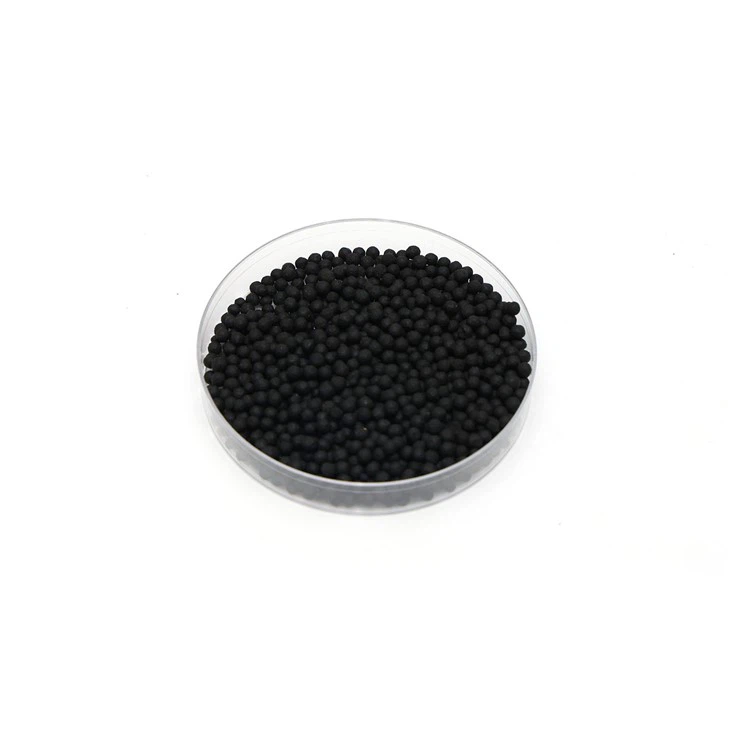

One of the main benefits of using yeast granular fertilizer in vineyards is its ability to improve soil structure. The organic matter in the fertilizer helps to loosen compacted soil, allowing for better water infiltration and root penetration. This can lead to healthier, more robust vines that are better able to withstand drought, disease, and other environmental stressors.
Another advantage of yeast granular fertilizer is its nutrient content. Yeast is rich in nitrogen, phosphorus, and potassium, which are the three primary nutrients that plants need to grow. In addition, it also contains a variety of micronutrients, such as calcium, magnesium, and iron, which are essential for proper plant function. By providing these nutrients in a slow-release form, yeast granular fertilizer can help to ensure that your vines have a steady supply of nutrients throughout the growing season.
Yeast granular fertilizer also has the potential to enhance soil microbial activity. The beneficial microorganisms in the fertilizer can help to break down organic matter, releasing nutrients that are otherwise unavailable to plants. They can also help to suppress harmful pathogens and pests, reducing the need for chemical pesticides and fungicides.
Now, let's address some of the concerns that you might have about using yeast granular fertilizer in your vineyard. One common question is whether it will affect the taste of the grapes. The good news is that there's no evidence to suggest that yeast granular fertilizer has a negative impact on grape flavor. In fact, some studies have shown that it can actually improve the quality of the grapes by enhancing their color, aroma, and sugar content.
Another concern is the cost. Yeast granular fertilizer can be more expensive than traditional chemical fertilizers, but it's important to consider the long-term benefits. By improving soil health and reducing the need for chemical inputs, it can help to save you money in the long run. In addition, the higher quality grapes that you'll produce can command a higher price in the market, offsetting the initial cost of the fertilizer.
So, how do you use yeast granular fertilizer in your vineyard? The application rate will depend on a variety of factors, such as the soil type, the age of the vines, and the desired level of fertility. As a general rule, it's recommended to apply 200-400 pounds of yeast granular fertilizer per acre before planting or during the early stages of the growing season. You can also apply it as a top dressing throughout the growing season to provide a boost of nutrients when the vines need it most.
When applying yeast granular fertilizer, it's important to follow the manufacturer's instructions carefully. Make sure to spread it evenly over the soil surface and incorporate it into the top few inches of soil. This will help to ensure that the nutrients are available to the roots of the vines.
If you're interested in learning more about yeast granular fertilizer and its benefits for vineyards, I encourage you to check out our Yeast Granular Fertilizer page on our website. We also offer other types of organic fertilizers, such as Yeast Metabolite Granular Fertilizer and Organic Inorganic Compound Granular Fertilizer, which may also be suitable for your vineyard.
In conclusion, yeast granular fertilizer can be a great option for vineyards. It offers a number of benefits, including improved soil structure, enhanced nutrient availability, and increased soil microbial activity. While it may be more expensive than traditional chemical fertilizers, the long-term benefits can make it a worthwhile investment. If you're looking for a natural, sustainable way to fertilize your vines, I encourage you to give yeast granular fertilizer a try.
If you're interested in purchasing our yeast granular fertilizer or have any questions about its use in your vineyard, please don't hesitate to reach out. We'd be happy to discuss your specific needs and help you find the right fertilizer solution for your vineyard.
References
- "The Benefits of Organic Fertilizers in Viticulture." Journal of Sustainable Agriculture.
- "Yeast-Based Fertilizers: A Review of Their Use in Agriculture." Agronomy Journal.
- "Soil Health and Vineyard Productivity." Proceedings of the International Symposium on Grapevine Physiology and Biotechnology.


