

As a supplier of Amino Acid Fertilizer, I often encounter questions from farmers, gardeners, and agricultural enthusiasts about the potential side effects of using this type of fertilizer on plants. In this blog post, I will delve into the topic, providing a scientific and evidence - based analysis to help you make an informed decision about incorporating amino acid fertilizers into your plant care routine.
Understanding Amino Acid Fertilizer
Amino acids are the building blocks of proteins, and they play a crucial role in the growth, development, and overall health of plants. Amino acid fertilizers are derived from natural sources such as plant or animal proteins, which are hydrolyzed to release individual amino acids. These fertilizers can be applied to the soil or sprayed directly on the foliage of plants.
The benefits of amino acid fertilizers are well - documented. They can enhance nutrient uptake, improve plant resistance to stress factors such as drought, disease, and pests, and promote root development. Amino acids also stimulate the production of plant hormones, which regulate various physiological processes like growth, flowering, and fruiting. For more information about Amino Acid Fertilizer, you can visit Amino Acid Fertilizer.
Potential Side Effects of Amino Acid Fertilizer
1. Over - fertilization
One of the most common potential side effects of using any fertilizer, including amino acid fertilizers, is over - fertilization. When plants receive an excessive amount of amino acids, it can disrupt the natural balance of nutrients in the soil and within the plant itself.
Excessive amino acids may lead to an overproduction of certain plant hormones, which can cause abnormal growth patterns. For example, plants may grow too rapidly, resulting in weak stems that are more prone to breakage. Additionally, over - fertilization can lead to an accumulation of salts in the soil, which can cause root burn and reduce the plant's ability to absorb water and nutrients.
To avoid over - fertilization, it is essential to follow the recommended application rates provided by the manufacturer. Conducting a soil test before applying any fertilizer can also help you determine the specific nutrient needs of your plants and prevent over - application.
2. Interaction with other fertilizers
Amino acid fertilizers are often used in combination with other types of fertilizers, such as Humic Acid Fertilizer or Fulvic Acid Fertilizer. While these combinations can sometimes have synergistic effects, there is also a risk of negative interactions.
For instance, some amino acids may react with certain chemical fertilizers, forming insoluble compounds that are unavailable to plants. This can reduce the effectiveness of both the amino acid fertilizer and the other fertilizer. Before combining different fertilizers, it is advisable to consult with an agricultural expert or conduct a small - scale test to ensure compatibility.
3. Microbial imbalance
The soil is home to a diverse community of microorganisms that play a vital role in nutrient cycling and plant health. Amino acid fertilizers can have an impact on the soil microbiome. In some cases, excessive application of amino acid fertilizers may favor the growth of certain types of microorganisms at the expense of others, leading to a microbial imbalance.
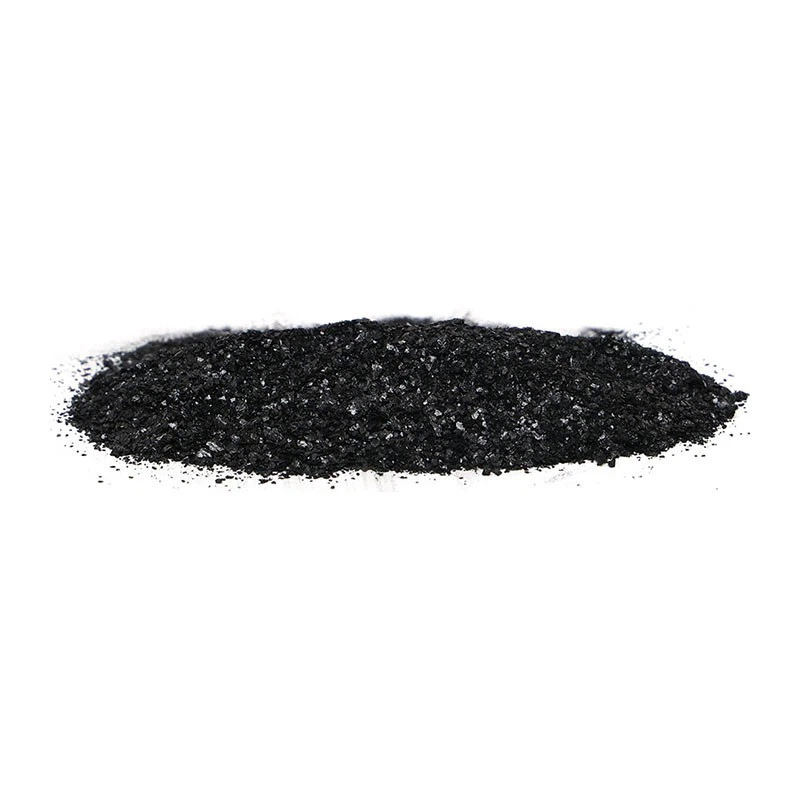

A disrupted soil microbiome can affect the decomposition of organic matter, nutrient availability, and the plant's ability to resist diseases. To maintain a healthy soil microbiome, it is important to use amino acid fertilizers in moderation and to also incorporate practices such as adding organic matter to the soil.
4. Environmental concerns
Although amino acid fertilizers are generally considered more environmentally friendly than some chemical fertilizers, there are still potential environmental concerns. If amino acid fertilizers are over - applied or mismanaged, they can contribute to water pollution.
When excess amino acids are washed away from the soil by rain or irrigation, they can enter water bodies and cause eutrophication. Eutrophication is the excessive growth of algae and other aquatic plants, which can deplete oxygen levels in the water and harm fish and other aquatic organisms.
Mitigating the Side Effects
Despite the potential side effects, the risks associated with using amino acid fertilizers can be effectively mitigated with proper management practices.
- Proper application: Always follow the recommended application rates and timing. Use a calibrated spreader or sprayer to ensure even distribution of the fertilizer.
- Soil testing: Regularly test your soil to determine its nutrient content and pH level. This will help you make informed decisions about the type and amount of fertilizer to apply.
- Compatibility testing: Before combining amino acid fertilizers with other fertilizers, conduct a small - scale test to check for compatibility.
- Environmental stewardship: Implement best management practices to prevent runoff, such as using buffer zones near water bodies and avoiding application before heavy rainfall.
Conclusion
Amino acid fertilizers offer numerous benefits for plant growth and health, but like any agricultural input, they can have potential side effects. By understanding these potential risks and taking appropriate measures to mitigate them, you can safely and effectively use amino acid fertilizers to enhance the productivity and quality of your plants.
If you are interested in learning more about our Amino Acid Fertilizer products or have any questions regarding their use, we encourage you to reach out to us for a detailed discussion. We are committed to providing high - quality fertilizers and expert advice to help you achieve the best results in your agricultural or gardening endeavors.
References
- Smith, J. (2020). The Role of Amino Acids in Plant Nutrition. Journal of Plant Science, 15(2), 123 - 135.
- Johnson, R. (2019). Environmental Impacts of Fertilizer Use. Environmental Science Review, 22(4), 201 - 215.
- Brown, A. (2021). Soil Microbiology and Fertilizer Interactions. Soil Science Journal, 30(1), 56 - 67.


