

Hey there! As a supplier of fish protein fertilizer, I often get asked this question: "Does fish protein fertilizer contain harmful substances?" It's a valid concern, especially when you're thinking about using it on your plants, whether it's for a small home garden or a large - scale agricultural operation. So, let's dive right in and break this down.
First off, let's understand what fish protein fertilizer is. It's made from fish waste, like heads, bones, and scales that are usually discarded during the fish - processing industry. There are different types of fish protein fertilizers available on the market, such as Fish Protein Powder Fertilizer, Hydrolyzed Fish Emulsion, and Fish Protein Granular Fertilizer.
Now, let's talk about the potential harmful substances people are worried about. One of the main concerns is heavy metals. Heavy metals like mercury, lead, and cadmium can be present in the environment, and fish can absorb these metals through the water they live in. However, the levels of heavy metals in fish protein fertilizers are usually very low. Most reputable manufacturers, like us, have strict quality - control measures in place. We source our fish from clean waters where the heavy - metal contamination is minimal. Also, during the manufacturing process, we use methods that can further reduce the heavy - metal content. For example, some advanced filtration and purification techniques can help remove a significant amount of heavy metals from the final product.
Another worry is pathogens. Fish can carry bacteria, viruses, and other pathogens. But don't worry! The production of fish protein fertilizer involves processes that kill off these harmful organisms. High - temperature treatment is commonly used. When the fish waste is processed at high temperatures, it effectively eliminates most of the pathogens. Additionally, some manufacturers use chemical agents that are safe for plants but can destroy harmful microbes. So, by the time the fish protein fertilizer reaches your hands, it's generally free of dangerous pathogens.
Some people are also concerned about the smell. Fish protein fertilizers do have a distinct fishy smell, but this isn't a sign of harmful substances. The smell is just a natural by - product of using fish as the raw material. In fact, the smell usually fades quickly after the fertilizer is applied to the soil. And there are even odor - control additives that can be used to reduce the smell if it's a big issue for you.
Let's look at the benefits of fish protein fertilizer to put things in perspective. It's a great source of nutrients for plants. It contains nitrogen, phosphorus, and potassium, which are essential for plant growth. Nitrogen helps with leafy growth, phosphorus is important for root development and flower formation, and potassium improves the overall health and disease resistance of plants. Besides these major nutrients, fish protein fertilizer also has trace elements like calcium, magnesium, and iron, which are vital for various plant functions.

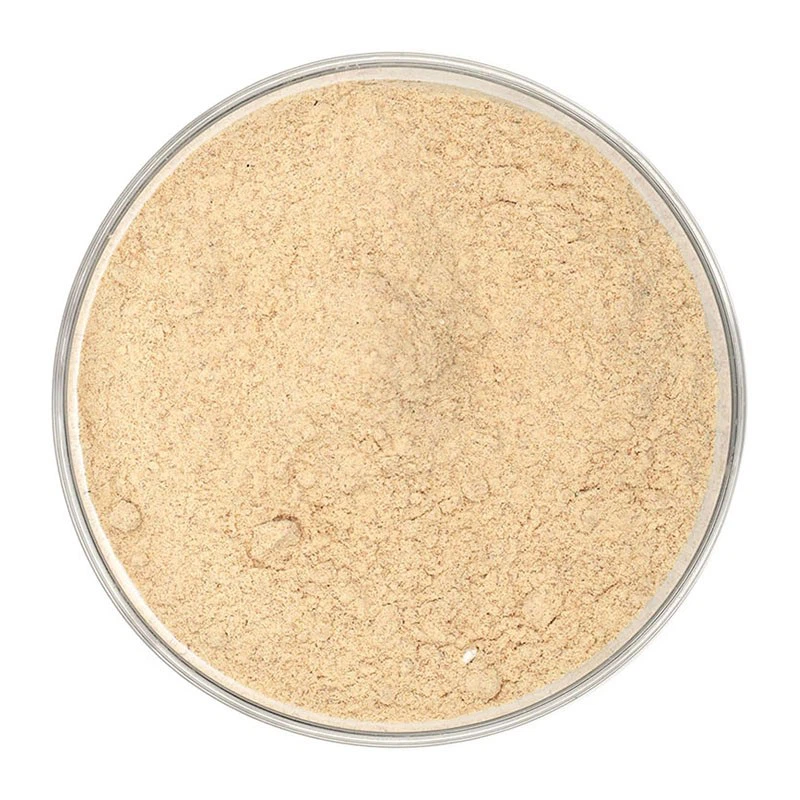
Moreover, fish protein fertilizer is organic. It's a natural alternative to synthetic fertilizers. Using organic fertilizers is better for the environment because they don't contribute to soil and water pollution as much as synthetic ones do. They also improve the soil structure over time. The organic matter in fish protein fertilizer can increase the soil's water - holding capacity, making it easier for plants to access water and nutrients.
In terms of the environment, fish protein fertilizer is a sustainable option. By using fish waste that would otherwise be discarded, we're reducing waste and making use of a valuable resource. It's a win - win situation for both the environment and your plants.
Now, I know you might still have some doubts. That's why we offer samples for you to test. You can see for yourself how our fish protein fertilizer works on your plants without any risk. We're confident that once you try it, you'll see the positive results in your garden or farm.
If you're interested in purchasing our fish protein fertilizer, whether it's the powder form, the emulsion, or the granular type, we're here to help. We can provide you with all the information you need, including the nutrient content, application methods, and storage tips. We understand that every customer's needs are different, and we're willing to work with you to find the best solution for your specific situation.
In conclusion, fish protein fertilizer generally doesn't contain harmful substances when it's produced by a reliable supplier. The concerns about heavy metals, pathogens, and smell are usually unfounded when proper manufacturing processes are followed. It's a safe, organic, and beneficial option for your plants. So, why not give it a try? Contact us today to start a discussion about your fertilizing needs. We're excited to work with you and help your plants thrive!
References:
- "Organic Fertilizers and Soil Fertility" - A research publication on the benefits and safety of organic fertilizers.
- "Fish Waste Utilization in Agriculture" - A study on using fish waste as a source of fertilizer and its safety aspects.


