

As a supplier of Granular Seaweed Fertiliser, I've often been asked about the impact of our product on the taste of fruits and vegetables. This is a topic that combines both scientific curiosity and practical interest for farmers, gardeners, and consumers alike. In this blog, we'll explore the scientific basis behind seaweed fertiliser and its potential influence on the flavor of produce.
The Composition of Granular Seaweed Fertiliser
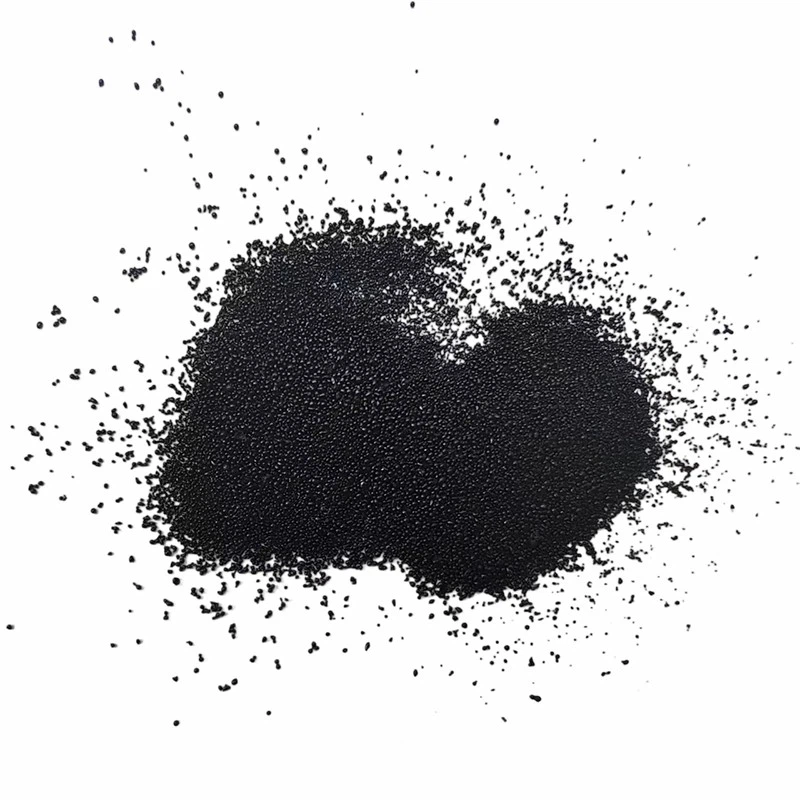
Granular Seaweed Fertiliser is derived from various species of seaweed, which are rich in a wide range of nutrients and bioactive compounds. Seaweeds contain essential macronutrients such as nitrogen (N), phosphorus (P), and potassium (K), as well as micronutrients like iron (Fe), zinc (Zn), manganese (Mn), and copper (Cu). These nutrients are crucial for plant growth and development, playing key roles in processes such as photosynthesis, respiration, and the synthesis of proteins and enzymes.
In addition to nutrients, seaweed also contains bioactive substances such as cytokinins, auxins, and gibberellins, which are plant hormones that regulate growth and development. These hormones can promote root growth, enhance stress tolerance, and improve the overall health of plants. Seaweed also contains polysaccharides, which can improve soil structure and water-holding capacity, and antioxidants, which can protect plants from oxidative stress.
The combination of these nutrients and bioactive compounds makes Granular Seaweed Fertiliser a unique and valuable input for agriculture. But how does it affect the taste of fruits and vegetables?
Scientific Evidence of the Impact on Taste
Several studies have investigated the effect of seaweed fertiliser on the quality and taste of fruits and vegetables. One study conducted on strawberries found that the application of seaweed extract increased the total soluble solids (TSS) content, which is an important indicator of sweetness. The strawberries treated with seaweed extract also had higher levels of anthocyanins, which are antioxidants that contribute to the red color and flavor of strawberries.
Another study on tomatoes showed that seaweed fertiliser improved the firmness, color, and flavor of the fruit. The tomatoes treated with seaweed extract had higher levels of lycopene, a carotenoid that gives tomatoes their red color and has antioxidant properties. The researchers also found that the seaweed-treated tomatoes had a more balanced ratio of sugars to acids, resulting in a better taste.
Similar results have been reported for other fruits and vegetables, such as grapes, cucumbers, and peppers. In general, the application of seaweed fertiliser has been shown to enhance the nutritional quality, flavor, and aroma of produce.
How Seaweed Fertiliser Affects Taste
There are several ways in which Granular Seaweed Fertiliser can affect the taste of fruits and vegetables. Firstly, the nutrients in seaweed fertiliser can support the synthesis of flavor compounds in plants. For example, nitrogen is essential for the production of amino acids, which are the building blocks of proteins and also contribute to the flavor of fruits and vegetables. Phosphorus is involved in energy metabolism and can affect the synthesis of sugars and organic acids, which are important for taste.
Secondly, the bioactive compounds in seaweed can regulate plant metabolism and enhance the production of secondary metabolites, such as phenolics, flavonoids, and terpenoids. These secondary metabolites can contribute to the flavor, aroma, and nutritional value of fruits and vegetables. For example, phenolics are antioxidants that can protect plants from pests and diseases and also have a bitter or astringent taste. Flavonoids are pigments that give fruits and vegetables their color and also have antioxidant and anti-inflammatory properties. Terpenoids are volatile compounds that contribute to the aroma and flavor of plants.
Finally, seaweed fertiliser can improve the overall health and stress tolerance of plants. When plants are healthy and stress-free, they are better able to produce high-quality fruits and vegetables. Seaweed fertiliser can enhance the plant's ability to absorb nutrients, resist pests and diseases, and tolerate environmental stressors such as drought, heat, and cold. This can result in fruits and vegetables that are more flavorful, nutritious, and visually appealing.
Comparison with Other Types of Fertilisers
Granular Seaweed Fertiliser is just one type of seaweed-based fertiliser available on the market. Other types include Powdered Seaweed Fertilizer and Liquid Seaweed Extract Fertilizer. Each type has its own advantages and disadvantages, and the choice depends on the specific needs and preferences of the user.
Powdered Seaweed Fertilizer is convenient to store and apply, and it can be easily mixed with other fertilisers or soil amendments. It is also a good option for large-scale agriculture. Liquid Seaweed Extract Fertilizer, on the other hand, can be applied directly to the foliage or soil, and it is quickly absorbed by plants. It is a popular choice for foliar feeding and for use in hydroponic systems.
Compared to synthetic fertilisers, seaweed-based fertilisers are more environmentally friendly and sustainable. They are derived from a renewable resource, and they do not contain harmful chemicals or heavy metals. Seaweed fertilisers also improve soil health and fertility, which can lead to long-term benefits for the environment and agriculture.

Practical Considerations for Farmers and Gardeners
If you're a farmer or gardener interested in using Granular Seaweed Fertiliser to improve the taste of your fruits and vegetables, there are a few practical considerations to keep in mind. Firstly, it's important to choose a high-quality product from a reputable supplier. Look for a Granular Seaweed Fertiliser that is made from fresh, clean seaweed and that has been processed using a gentle method to preserve the nutrients and bioactive compounds.
Secondly, follow the recommended application rates and methods. The application rate of Granular Seaweed Fertiliser depends on the type of crop, the soil type, and the growing conditions. It's usually recommended to apply the fertiliser at the beginning of the growing season or during the early stages of plant growth. You can apply the fertiliser directly to the soil or mix it with compost or other organic matter.
Finally, it's important to monitor the results and adjust your fertiliser program as needed. Keep track of the growth, yield, and quality of your crops, and compare the results with those of untreated plants. If you notice any improvements in taste or other quality parameters, continue using the Granular Seaweed Fertiliser. If not, you may need to adjust the application rate or try a different type of fertiliser.
Conclusion
In conclusion, there is scientific evidence to suggest that Granular Seaweed Fertiliser can have a positive impact on the taste of fruits and vegetables. The nutrients and bioactive compounds in seaweed can support the synthesis of flavor compounds, regulate plant metabolism, and enhance the overall health of plants. By improving the nutritional quality, flavor, and aroma of produce, Granular Seaweed Fertiliser can help farmers and gardeners produce high-quality, delicious fruits and vegetables.
If you're interested in learning more about our Granular Seaweed Fertiliser or other seaweed-based products, please visit our website Granular Seaweed Fertiliser. We're always happy to answer your questions and help you find the right fertiliser for your needs. Whether you're a large-scale farmer or a home gardener, we believe that our products can make a difference in the quality and taste of your crops. Contact us today to start a conversation about how we can work together to improve your agricultural practices.
References
- Crouch, I. J., & Van Staden, J. (1993). Seaweed extracts as biostimulants of plant growth and development. Horticultural Reviews, 15, 245-279.
- Craigie, J. S. (2011). Use of seaweed extracts in horticulture. Journal of Applied Phycology, 23(3), 371-393.
- Khan, W., Rayirath, U. P., Subramanian, S., Rayirath, A. A., & Hodges, D. M. (2009). Seaweed extracts as biostimulants of plant growth and development. Plant Growth Regulation, 58(2), 1-18.
- Stirk, W. A., & Van Staden, J. (2014). Seaweed extracts as biostimulants in horticulture. Scientia Horticulturae, 174, 144-153.


