

Hey there, fellow gardening and farming enthusiasts! I'm an organic fertilizer supplier, and I've been getting a lot of questions lately about whether organic fertilizer can improve the resilience of plants to drought. It's a hot topic, especially with the increasing frequency of dry spells in many parts of the world. So, I thought I'd share some insights based on my experience and the latest scientific research.
First off, let's talk about what organic fertilizers are. Organic fertilizers are made from natural materials like plant residues, animal manure, and compost. They're different from synthetic fertilizers, which are made from chemical compounds. Organic fertilizers not only provide essential nutrients to plants but also improve the soil structure and fertility over time.
Now, the big question: Does organic fertilizer really help plants withstand drought? The short answer is yes, and here's why.
How Organic Fertilizers Improve Soil Structure
One of the key ways organic fertilizers help plants deal with drought is by improving the soil structure. When you add organic matter to the soil, it acts like a sponge, holding onto water and making it available to plants for longer periods. This is because organic matter has a high water-holding capacity. For example, compost can hold up to 20 times its weight in water!
In addition, organic fertilizers help to create a more porous soil structure. This allows water to penetrate the soil more easily and reach the plant roots. It also prevents water from running off the surface, which can lead to erosion and water waste. With a well-structured soil, plants can access water more efficiently, even during dry spells.
Nutrient Availability and Plant Health
Organic fertilizers release nutrients slowly over time, providing a steady supply of essential elements to plants. This is in contrast to synthetic fertilizers, which can release nutrients too quickly, leading to nutrient leaching and environmental pollution. When plants have a consistent supply of nutrients, they can grow stronger and healthier, making them more resilient to stressors like drought.
For instance, nitrogen is an important nutrient for plant growth. Organic fertilizers like manure and compost contain nitrogen in a form that is slowly released into the soil. This helps plants to develop strong roots and leaves, which are essential for water uptake and retention. Phosphorus and potassium are also crucial for plant health, and organic fertilizers can provide these nutrients in a balanced way.
Microbial Activity in the Soil
Another benefit of organic fertilizers is that they promote microbial activity in the soil. Microbes, such as bacteria and fungi, play a vital role in the soil ecosystem. They help to break down organic matter, release nutrients, and improve soil structure. Some microbes can also form symbiotic relationships with plant roots, such as mycorrhizal fungi.
Mycorrhizal fungi attach themselves to plant roots and extend the root system, allowing plants to access water and nutrients from a larger area of the soil. This can significantly improve a plant's ability to withstand drought. In addition, microbes produce substances that can enhance plant resistance to stress and disease.
Specific Types of Organic Fertilizers
There are several types of organic fertilizers that can be particularly effective in improving plant resilience to drought. Let's take a look at a few of them:
-
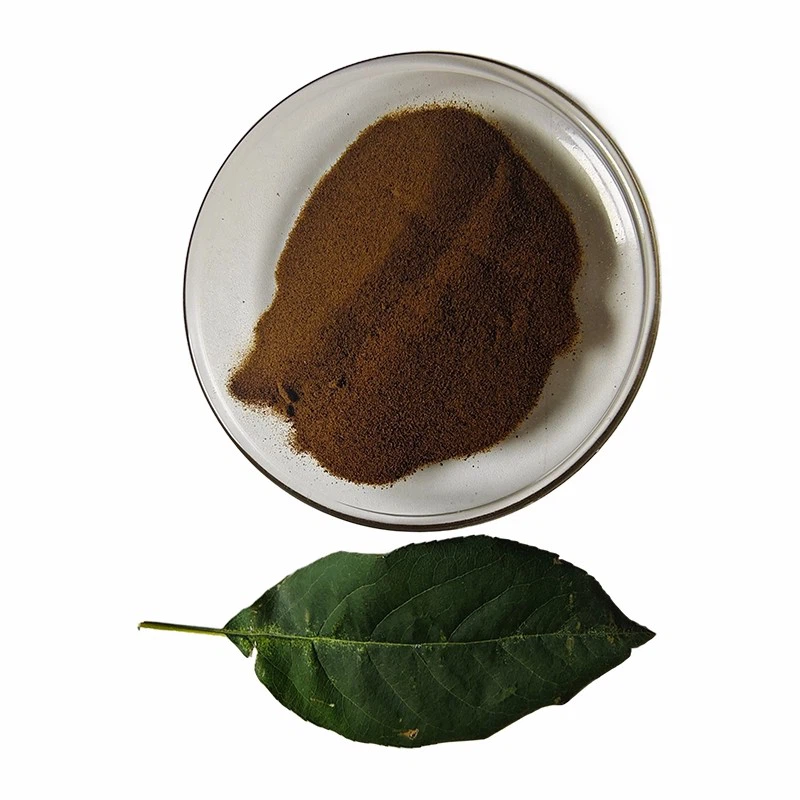
Fulvic Acid Fertilizer: Fulvic acid is a natural organic compound that is found in soil, peat, and other organic materials. It has many benefits for plants, including improving nutrient uptake, enhancing root growth, and increasing water-holding capacity. Fulvic Acid Fertilizer can help plants to absorb water more efficiently and reduce water loss through transpiration.
-
Amino Acid Fertilizer: Amino acids are the building blocks of proteins, which are essential for plant growth and development. Amino Acid Fertilizer can improve plant metabolism and enhance their ability to cope with stress. It can also stimulate root growth and increase the production of antioxidants, which can protect plants from damage caused by drought.
-
Humic Acid Fertilizer: Humic acid is another important component of organic fertilizers. It can improve soil structure, increase nutrient availability, and enhance plant growth. Humic Acid Fertilizer can also help plants to retain water and reduce the negative effects of drought.
Real-World Examples
I've seen firsthand the benefits of using organic fertilizers to improve plant resilience to drought. I had a customer who was growing tomatoes in a region with limited water supply. He started using our organic fertilizers, including compost and Fulvic Acid Fertilizer, and noticed a significant difference in the health and productivity of his plants. The tomatoes were more resistant to drought, and he was able to harvest a larger crop compared to previous years.
Another example is a farmer who was growing wheat. He switched from synthetic fertilizers to organic fertilizers, such as manure and Amino Acid Fertilizer. During a drought period, his wheat crop showed better resilience and yielded more grain than neighboring farms that were using synthetic fertilizers.
Conclusion
So, to answer the question, yes, organic fertilizer can definitely improve the resilience of plants to drought. By improving soil structure, providing a steady supply of nutrients, promoting microbial activity, and using specific types of organic fertilizers, we can help plants to better withstand dry conditions.
If you're interested in improving the drought resilience of your plants, I encourage you to give organic fertilizers a try. We offer a wide range of high-quality organic fertilizers, including Fulvic Acid Fertilizer, Amino Acid Fertilizer, and Humic Acid Fertilizer. If you have any questions or would like to discuss your specific needs, feel free to reach out. We're here to help you achieve healthy and productive plants, even in challenging conditions.

References
- Brady, N. C., & Weil, R. R. (2008). The nature and properties of soils. Pearson Prentice Hall.
- Lal, R. (2004). Soil carbon sequestration impacts on global climate change and food security. Science, 304(5677), 1623-1627.
- Zhang, F. S., Shen, J. B., & Chen, X. P. (2015). Integrating nutrient management for sustainable agriculture in China. Nature Plants, 1(10), 15122.


