

As a supplier of Powdered Seaweed Fertilizer, I often encounter questions from customers about the potential of our product to attract pests. This is a valid concern, as pests can cause significant damage to crops and gardens. In this blog post, I will delve into the scientific aspects of whether powdered seaweed fertilizer attracts pests, drawing on research and practical experience in the field.
Understanding Powdered Seaweed Fertilizer
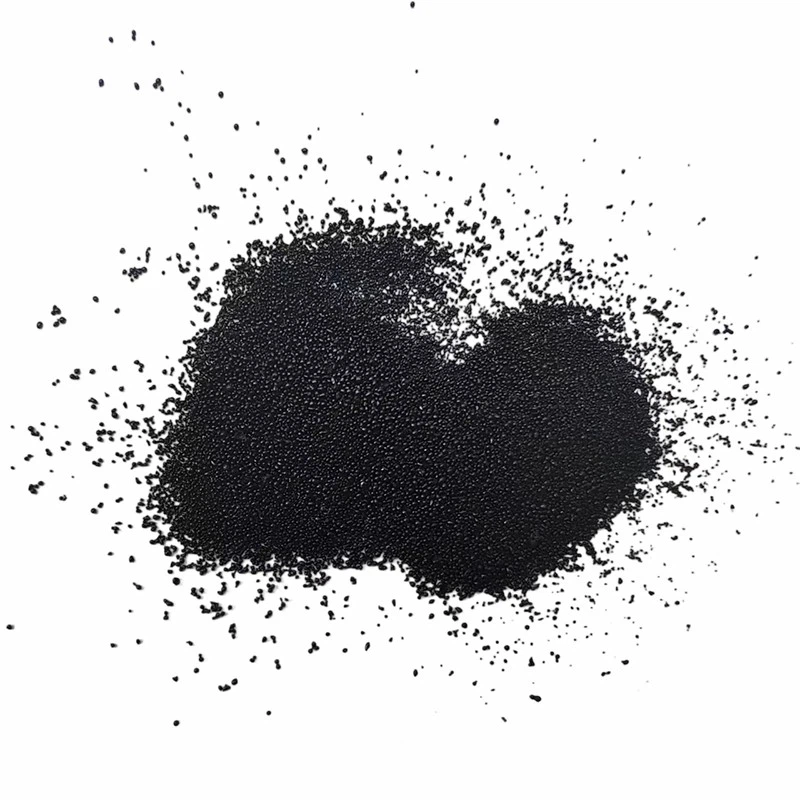
Before we discuss the pest - attraction aspect, let's first understand what powdered seaweed fertilizer is. Seaweed, a rich source of various nutrients and bioactive compounds, has been used as a natural fertilizer for centuries. The powdered form is created by drying and grinding seaweed into a fine powder. It contains essential elements such as nitrogen, phosphorus, potassium, as well as trace minerals like iron, zinc, and manganese. Additionally, it has plant growth - promoting substances such as cytokinins, auxins, and gibberellins, which can enhance plant growth, improve root development, and increase resistance to environmental stresses.
Theories Regarding Pest Attraction
Some people believe that the organic nature of powdered seaweed fertilizer might attract pests. Organic materials are often associated with providing a food source or a favorable habitat for insects and other pests. For example, the rich nutrient content in the fertilizer could potentially be appealing to certain pests, which might mistake it for a food source. However, this is more of a theoretical concern than a well - established fact.
Scientific Evidence
Lack of Direct Attraction
Numerous scientific studies have shown that powdered seaweed fertilizer does not directly attract pests. In fact, it can have the opposite effect. The bioactive compounds in seaweed can enhance the plant's natural defense mechanisms. For instance, cytokinins can stimulate the production of secondary metabolites in plants, which are often involved in the plant's defense against pests. These metabolites can act as natural repellents, making the plants less attractive to pests.
A study published in the Journal of Applied Botany and Food Quality examined the effects of seaweed - based fertilizers on pest infestation in tomato plants. The researchers found that plants treated with seaweed fertilizer had significantly lower levels of aphid infestation compared to untreated plants. The seaweed fertilizer seemed to enhance the plant's resistance, rather than attracting pests.

Improved Plant Health
When plants are healthy, they are generally more resistant to pests. Powdered seaweed fertilizer promotes overall plant health by providing essential nutrients and growth - promoting substances. Stronger plants are better able to withstand pest attacks. For example, a well - nourished plant with a robust root system can recover more quickly from damage caused by pests. It can also produce more energy to synthesize defensive compounds.
Impact on Soil Microorganisms
Powdered seaweed fertilizer can also have a positive impact on soil microorganisms. It can increase the population of beneficial bacteria and fungi in the soil. These microorganisms can form symbiotic relationships with plants, helping them to absorb nutrients more efficiently and protecting them from soil - borne pests and diseases. For example, mycorrhizal fungi can form a network around the plant roots, which not only improves nutrient uptake but also acts as a physical barrier against some pests.
Comparing with Other Fertilizers
When compared to some synthetic fertilizers, powdered seaweed fertilizer may actually be less likely to attract pests. Synthetic fertilizers often provide a concentrated dose of nutrients in a form that can be quickly absorbed by plants. However, this rapid growth can sometimes result in weak, succulent growth, which is more attractive to pests. In contrast, the slow - release nature of powdered seaweed fertilizer promotes steady and healthy growth, reducing the risk of pest infestation.
Practical Experience
In my experience as a supplier of Powdered Seaweed Fertilizer, I have received many positive feedbacks from customers. Gardeners and farmers who have used our product have reported fewer pest problems in their crops. For example, a vegetable farmer in California switched from a synthetic fertilizer to our powdered seaweed fertilizer. He noticed a significant reduction in the number of caterpillars and beetles in his lettuce and spinach fields.
Other Forms of Seaweed Fertilizer
We also offer Liquid Seaweed Extract Fertilizer and Granular Seaweed Fertiliser. Similar to the powdered form, these products have not been shown to attract pests. The liquid form is easy to apply and can be quickly absorbed by plants, while the granular form provides a long - lasting source of nutrients.
Best Practices to Minimize Any Potential Risk
Although powdered seaweed fertilizer is not likely to attract pests, it is still important to follow some best practices to ensure optimal results. Firstly, it is crucial to apply the fertilizer at the recommended rates. Over - application can lead to excessive plant growth, which might make the plants more vulnerable to pests. Secondly, proper storage of the fertilizer is essential. Keep it in a dry, cool place to prevent the growth of mold or other organisms that could potentially attract pests.
Conclusion
In conclusion, based on scientific evidence, practical experience, and the nature of powdered seaweed fertilizer, there is no strong indication that it attracts pests. Instead, it can enhance plant health and resistance, making plants less appealing to pests. As a supplier, I am confident in the quality and effectiveness of our Powdered Seaweed Fertilizer. If you are interested in improving the health and productivity of your plants while minimizing pest problems, I encourage you to consider using our product. We are always ready to assist you with any questions you may have and to discuss your specific needs. Feel free to reach out to us for more information and to start a procurement discussion.
References
- Journal of Applied Botany and Food Quality: Study on seaweed - based fertilizers and pest infestation in tomato plants.
- Various practical reports from customers using seaweed fertilizers.


