

Hey there, plant lovers! I'm a supplier of Bio Organic Fertilizer, and today I wanna chat about how our amazing products can affect the growth of begonias. Begonias are these gorgeous plants with a wide variety of shapes, colors, and sizes. They're popular both indoors and outdoors, but like all plants, they need the right nutrients to thrive. That's where our bio organic fertilizers come in.
First off, let's talk about what bio organic fertilizers are. They're made from natural materials like plant residues, animal manure, and beneficial microorganisms. Unlike chemical fertilizers, which can sometimes harm the environment and soil health in the long run, bio organic fertilizers work in harmony with nature. They improve soil structure, increase water retention, and promote the growth of beneficial bacteria and fungi in the soil.
Now, let's dive into how these fertilizers can specifically benefit begonias.
Nutrient Supply
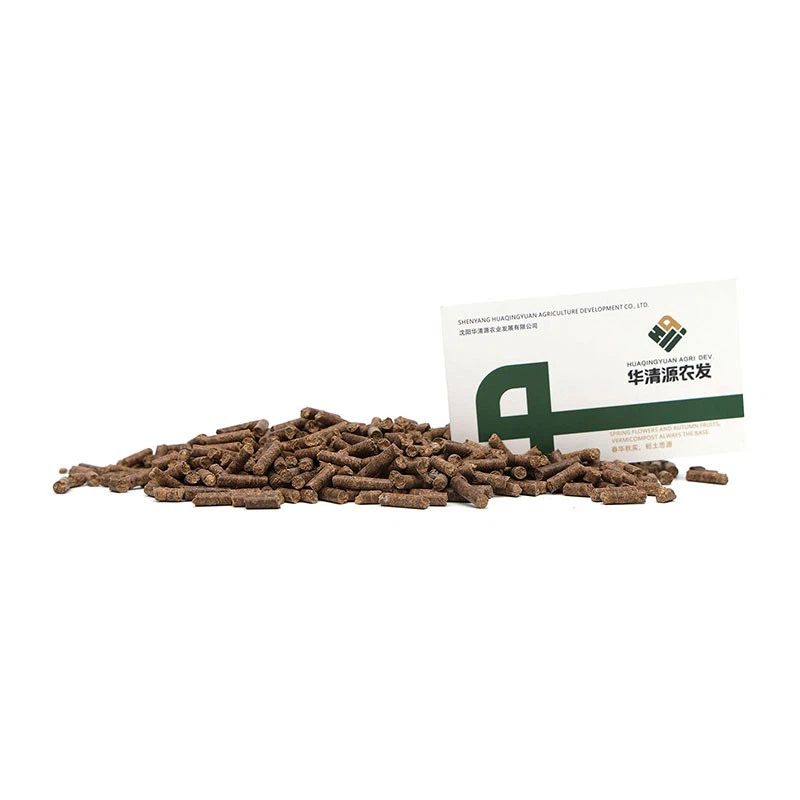
One of the most important things for any plant's growth is getting the right nutrients. Begonias need a balanced supply of nitrogen, phosphorus, and potassium (NPK), as well as other micronutrients like calcium, magnesium, and iron. Our bio organic fertilizers are rich in these essential nutrients. For example, the Yeast Metabolite Granular Fertilizer contains a variety of organic compounds and minerals that can provide a slow - release source of nutrients for begonias. This slow - release feature is great because it ensures that the plants get a steady supply of nutrients over time, rather than a sudden burst that could potentially burn the roots.
Nitrogen is crucial for the growth of green foliage. With enough nitrogen from our fertilizers, begonias can develop lush, healthy leaves. Phosphorus is important for root development and flower production. It helps the plants establish a strong root system, which is essential for taking up water and nutrients from the soil. Potassium, on the other hand, plays a role in overall plant health and disease resistance. It helps the begonias withstand environmental stresses like drought and temperature changes.

Soil Structure Improvement
Begonias prefer well - drained soil that is rich in organic matter. Our bio organic fertilizers can significantly improve the soil structure. When added to the soil, they help to break up compacted soil, allowing air and water to penetrate more easily. This is important because begonias' roots need oxygen to function properly. If the soil is too compacted, the roots can suffocate, leading to poor growth and even plant death.
The organic matter in our fertilizers also acts as a sponge, holding onto water and releasing it slowly to the plants. This helps to keep the soil moist but not waterlogged, which is perfect for begonias. For instance, the Customized Organic Fertilizer can be tailored to the specific soil conditions where the begonias are growing. If the soil is sandy, we can add more organic matter to improve its water - holding capacity. If it's clayey, we can add materials to help loosen it up.
Microbial Activity
Beneficial microorganisms are like little helpers in the soil. They break down organic matter, making nutrients more available to the plants. Our bio organic fertilizers are often inoculated with beneficial bacteria and fungi. These microorganisms form a symbiotic relationship with the begonias' roots. For example, mycorrhizal fungi can attach to the roots and help the plants absorb nutrients more efficiently. They can extend the root system's reach, allowing the begonias to access nutrients that would otherwise be out of reach.
Some of the bacteria in our fertilizers can also fix nitrogen from the air, converting it into a form that the plants can use. This natural nitrogen - fixing process reduces the need for synthetic nitrogen fertilizers, which can be harmful to the environment. The Amino Acid Organic Fertilizer Granule 12 - 0 - 1 contains amino acids that can stimulate the growth of these beneficial microorganisms, creating a healthy and vibrant soil ecosystem for the begonias.
Disease and Pest Resistance
Healthy plants are more resistant to diseases and pests. By providing begonias with the right nutrients and a healthy soil environment, our bio organic fertilizers can help strengthen the plants' immune systems. The improved soil structure and microbial activity can also create an environment that is less favorable for harmful pathogens and pests.
For example, some of the beneficial bacteria in our fertilizers can produce antibiotics or other compounds that inhibit the growth of disease - causing organisms. Also, when begonias are growing in a well - nourished and balanced soil, they are better able to withstand attacks from insects and other pests.
Flowering and Blooming
Who doesn't love seeing begonias in full bloom? Our bio organic fertilizers can play a big role in promoting flowering. The balanced nutrient supply, especially the phosphorus content, helps to initiate and support flower bud formation. The slow - release nature of our fertilizers ensures that the plants have enough energy throughout the flowering period.
In addition, the improved soil health and microbial activity can enhance the overall vitality of the plants, leading to more abundant and longer - lasting blooms. Begonias fertilized with our bio organic products often produce larger, more colorful flowers compared to those grown with chemical fertilizers.
How to Use Bio Organic Fertilizers for Begonias
Using our bio organic fertilizers is easy. For potted begonias, you can mix a small amount of the fertilizer into the potting soil when repotting. For established plants, you can sprinkle the fertilizer on the soil surface around the base of the plants and then gently work it into the top layer of soil. Make sure to water the plants thoroughly after applying the fertilizer to help it dissolve and reach the roots.
For outdoor begonias, you can spread the fertilizer over the planting area before planting or apply it as a top - dressing during the growing season. Follow the instructions on the product label for the recommended application rates and frequencies.
Conclusion
In conclusion, bio organic fertilizers are a great choice for growing begonias. They provide a natural and sustainable way to supply nutrients, improve soil structure, enhance microbial activity, and boost the plants' overall health and beauty. Whether you're a professional gardener or a hobbyist, our Yeast Metabolite Granular Fertilizer, Customized Organic Fertilizer, and Amino Acid Organic Fertilizer Granule 12 - 0 - 1 can help you grow the most beautiful begonias.
If you're interested in purchasing our bio organic fertilizers for your begonias or other plants, don't hesitate to reach out. We're always happy to discuss your specific needs and provide you with the best solutions. Let's work together to create a healthy and vibrant garden!
References
- "The Science of Organic Gardening" by Jeff Gillman
- "Begonias: A Comprehensive Guide" by Mary Jane Duford
- Research papers on the effects of bio organic fertilizers on plant growth from various agricultural journals.


