

Hey there! As a supplier of Humic Acid Fertilizer, I've seen firsthand how amazing this stuff can be for soil health. Today, I want to chat about how humic acid fertilizer interacts with soil organic matter. It's a topic that's super important for anyone into gardening, farming, or just caring about the environment.
Let's start with the basics. Soil organic matter is like the life - blood of the soil. It's made up of dead plants, animals, and other organic materials that have decomposed over time. This organic matter is crucial for soil structure, water - holding capacity, and nutrient availability. When we talk about humic acid fertilizer, it's a natural substance derived from decomposed organic matter, and it has some really cool ways of working with the existing soil organic matter.
One of the key interactions is in improving soil structure. Soil organic matter helps to bind soil particles together, creating aggregates. These aggregates are like little clumps of soil that have pores in between them. These pores are essential because they allow air and water to move through the soil. Humic acid in the fertilizer acts like a glue, further enhancing the formation of these aggregates. It attaches to soil particles and organic matter, making the aggregates more stable. This means better aeration and drainage in the soil, which is great for plant roots. Roots can grow more easily through well - structured soil, and they can access the oxygen and water they need.
Another important aspect is nutrient cycling. Soil organic matter stores a lot of nutrients, but not all of them are readily available to plants. Humic acid has a high cation - exchange capacity (CEC). What does that mean? Well, it means that humic acid can attract and hold onto positively charged ions, like calcium, magnesium, potassium, and ammonium. When humic acid is added to the soil through the fertilizer, it can release these nutrients slowly over time. This is a huge benefit for plants because they can get a steady supply of nutrients instead of a big, one - time dose that might get washed away.
For example, let's say there's a lot of potassium in the soil organic matter, but it's locked up and not available to plants. Humic acid will grab onto that potassium and then release it gradually as the plants need it. This is like having a bank account for nutrients. The humic acid acts as the banker, doling out the money (nutrients) when it's needed.
Humic acid also plays a role in promoting the growth of beneficial soil microorganisms. Soil is teeming with bacteria, fungi, and other microbes. These microorganisms are essential for breaking down organic matter and making nutrients available. Humic acid provides a food source and a suitable environment for these microbes. It can stimulate their growth and activity. For instance, some bacteria in the soil can fix nitrogen from the air and convert it into a form that plants can use. Humic acid can enhance the activity of these nitrogen - fixing bacteria, which means more nitrogen for the plants.
Now, I want to mention a couple of related products. If you're interested in other types of organic fertilizers, you might want to check out Fulvic Acid Fertilizer. Fulvic acid is similar to humic acid but has some unique properties. It's more soluble in water and can penetrate plant cells more easily. This can lead to better nutrient uptake by plants. Another option is Amino Acid Fertilizer. Amino acids are the building blocks of proteins, and they can also have a positive impact on plant growth and health.
When it comes to the interaction between humic acid fertilizer and soil organic matter, it's a win - win situation. The humic acid helps to make the most of the existing soil organic matter, and in return, the soil organic matter provides a foundation for the humic acid to work its magic. This interaction can lead to healthier soil, stronger plants, and better yields.
If you're a farmer looking to improve the quality of your soil and increase your crop yields, or a gardener who wants to have a more vibrant and healthy garden, humic acid fertilizer could be the answer. The benefits of using this fertilizer are not just immediate; they can have long - term effects on soil health.
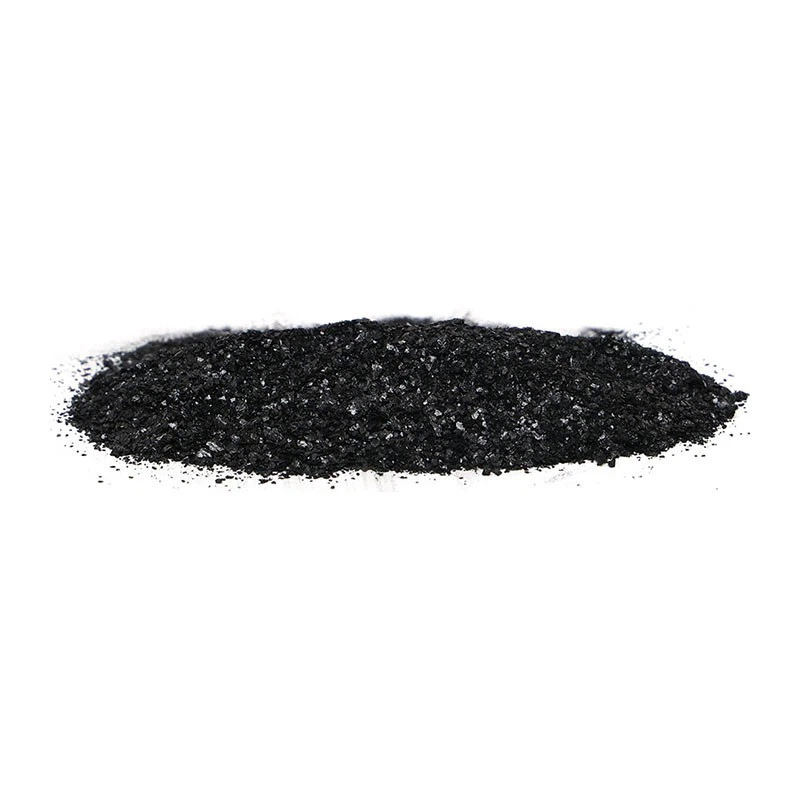

I encourage you to consider incorporating humic acid fertilizer into your soil management routine. Whether you're growing vegetables, fruits, grains, or just some beautiful flowers in your backyard, the interaction between humic acid and soil organic matter can make a big difference. And if you have any questions or want to discuss purchasing our humic acid fertilizer, don't hesitate to reach out. We're here to help you make the most of your soil and your plants.
References
Brady, N. C., & Weil, R. R. (2008). The Nature and Properties of Soils. Pearson Prentice Hall.
Lindsay, W. L. (1979). Chemical Equilibria in Soils. John Wiley & Sons.
Stevenson, F. J. (1994). Humus Chemistry: Genesis, Composition, Reactions. John Wiley & Sons.


