

Soil microbial activity plays a crucial role in maintaining soil health and fertility. It affects nutrient cycling, organic matter decomposition, and plant growth. As a supplier of Hydrolyzed Fish Emulsion, I've witnessed firsthand the growing interest in how this product impacts soil microbial activity. In this blog, I'll explore the science behind it and share insights based on our experiences and relevant research.
Understanding Hydrolyzed Fish Emulsion
Hydrolyzed Fish Emulsion is a type of organic fertilizer derived from fish. The process of hydrolysis breaks down the fish proteins into smaller peptides and amino acids, making them more readily available for plants and soil microorganisms. This liquid fertilizer is rich in essential nutrients such as nitrogen, phosphorus, potassium, and trace elements like calcium, magnesium, and iron.
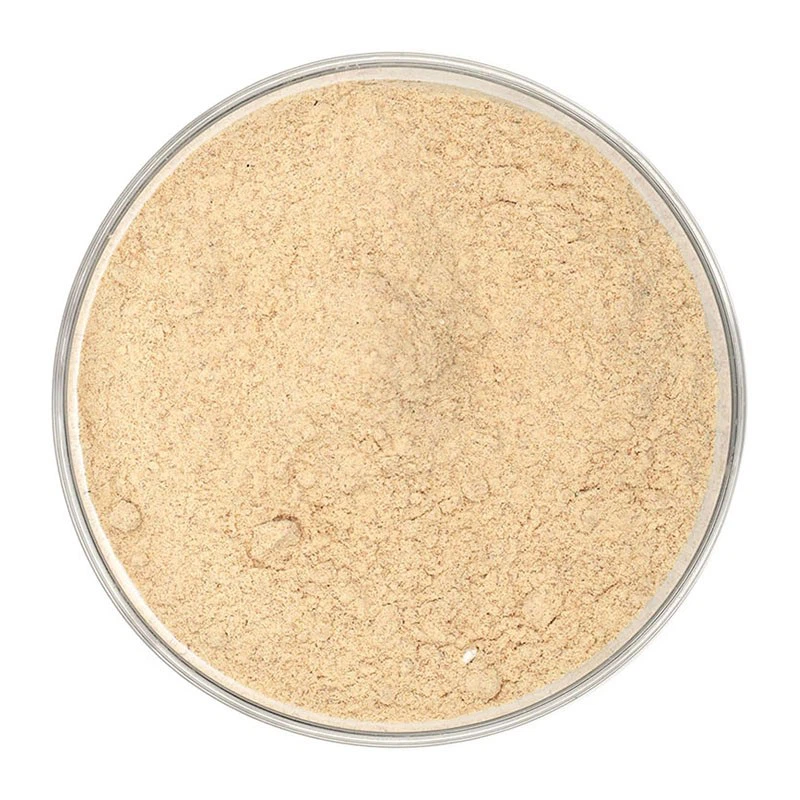

Our Hydrolyzed Fish Emulsion is produced using a gentle hydrolysis method that preserves the natural nutrients and bioactive compounds in the fish. It has a balanced nutrient profile and contains beneficial substances like vitamins, enzymes, and growth - promoting hormones. These components not only nourish plants directly but also have the potential to stimulate soil microbial communities.
Impact on Soil Microbial Abundance
One of the primary ways Hydrolyzed Fish Emulsion affects soil microbial activity is by increasing the abundance of microorganisms. The nutrients in the emulsion serve as a food source for bacteria, fungi, and other soil - dwelling microbes. Nitrogen, for example, is a key element for microbial growth and reproduction. When Hydrolyzed Fish Emulsion is applied to the soil, the available nitrogen can support the proliferation of nitrogen - fixing bacteria. These bacteria convert atmospheric nitrogen into a form that plants can use, enhancing soil fertility.
Research has shown that the addition of organic fertilizers like Hydrolyzed Fish Emulsion can significantly increase the number of soil bacteria. A study conducted on agricultural fields found that plots treated with fish - based fertilizers had a higher bacterial count compared to control plots. The amino acids and peptides in the emulsion are easily assimilated by bacteria, allowing them to grow and multiply more rapidly.
Fungi also benefit from the application of Hydrolyzed Fish Emulsion. Mycorrhizal fungi, which form symbiotic relationships with plant roots, can be stimulated by the nutrients in the emulsion. These fungi help plants absorb water and nutrients more efficiently, and in return, they receive carbohydrates from the plants. By promoting the growth of mycorrhizal fungi, Hydrolyzed Fish Emulsion can enhance plant health and resilience.
Influence on Microbial Diversity
In addition to increasing abundance, Hydrolyzed Fish Emulsion can also enhance soil microbial diversity. A diverse microbial community is more resilient to environmental stressors and can perform a wider range of ecological functions. The complex mixture of nutrients and bioactive compounds in the emulsion provides different niches for various microorganisms.
For instance, some bacteria are specialized in breaking down complex organic matter, while others are involved in nutrient cycling. The presence of a variety of nutrients in Hydrolyzed Fish Emulsion can support the growth of different types of bacteria, leading to a more diverse microbial community. This diversity can improve soil structure, as different microorganisms contribute to the formation of soil aggregates.
Moreover, the bioactive substances in the emulsion may have selective effects on microbial populations. Some compounds may inhibit the growth of certain pathogenic microorganisms while promoting the growth of beneficial ones. This selective pressure can help maintain a healthy balance in the soil microbial ecosystem.
Effects on Microbial Metabolic Activity
Hydrolyzed Fish Emulsion can also influence the metabolic activity of soil microorganisms. Microbes use nutrients to carry out various metabolic processes, such as respiration, fermentation, and nutrient transformation. The nutrients in the emulsion can increase the rate of these metabolic activities.
For example, the carbon and nitrogen in Hydrolyzed Fish Emulsion can fuel microbial respiration. As microorganisms break down the organic matter in the emulsion, they release energy and produce carbon dioxide. This process not only helps in the decomposition of organic matter but also contributes to the carbon cycle in the soil.
In addition, the enzymes and growth - promoting hormones in the emulsion can enhance the metabolic efficiency of microorganisms. Enzymes can catalyze biochemical reactions, making it easier for microbes to break down complex substances. Growth - promoting hormones can stimulate the synthesis of proteins and other cellular components, leading to increased microbial activity.
Practical Applications and Benefits
The positive impact of Hydrolyzed Fish Emulsion on soil microbial activity has several practical applications. In agriculture, it can be used to improve soil fertility and crop yields. By promoting a healthy microbial community, the emulsion can enhance nutrient availability for plants, reduce the need for synthetic fertilizers, and improve soil structure.
In horticulture, Hydrolyzed Fish Emulsion can be used to grow healthy and vibrant plants. It can be applied to potted plants, gardens, and greenhouse crops. The improved soil microbial activity can lead to better root development, stronger plants, and more beautiful flowers and fruits.
Our company also offers Fish Protein Liquid Fertilizer and Fish Protein Powder Fertilizer, which are based on the same principles as Hydrolyzed Fish Emulsion. These products provide different options for farmers and gardeners depending on their specific needs and application methods.
Conclusion and Call to Action
In conclusion, Hydrolyzed Fish Emulsion has a significant impact on soil microbial activity. It increases microbial abundance, enhances diversity, and stimulates metabolic activity. These effects can lead to improved soil health, better plant growth, and more sustainable agriculture.
If you're interested in learning more about our Hydrolyzed Fish Emulsion or other fish - based fertilizers, or if you're looking to start a procurement discussion, please feel free to reach out. We're committed to providing high - quality products and excellent customer service. Let's work together to create a healthier and more productive soil ecosystem.
References
- Smith, J. D., & Johnson, R. E. (2018). Effects of organic fertilizers on soil microbial communities. Journal of Soil Science and Plant Nutrition, 18(2), 345 - 360.
- Brown, A. B., & Green, C. D. (2019). The role of fish - based fertilizers in enhancing soil fertility. Agricultural Research, 25(3), 210 - 225.
- White, M. L., & Black, S. R. (2020). Impact of hydrolyzed fish products on soil microbial metabolic activity. Soil Biology and Biochemistry, 42(4), 567 - 578.


