

Seaweed has long been recognized as a valuable resource in agriculture due to its rich nutrient content and bioactive compounds. Powdered seaweed fertilizer, a product derived from seaweed, has gained popularity among farmers and gardeners for its potential to enhance plant growth and health. One of the key areas where powdered seaweed fertilizer can have a significant impact is on plant enzyme activity. As a supplier of Powdered Seaweed Fertilizer, I am excited to delve into how this unique fertilizer influences plant enzyme activity.
Understanding Plant Enzyme Activity
Enzymes are biological catalysts that play a crucial role in almost all biochemical reactions within plants. They are proteins that speed up chemical reactions, allowing plants to carry out essential processes such as photosynthesis, respiration, nutrient uptake, and stress response. For example, Rubisco (Ribulose-1,5-bisphosphate carboxylase/oxygenase) is an enzyme involved in the first major step of carbon fixation during photosynthesis. It helps plants convert carbon dioxide into organic compounds, which are essential for growth and development.
Another important enzyme is nitrate reductase, which is responsible for converting nitrate, a common form of nitrogen in the soil, into ammonia, a form that plants can use more readily. This process is vital for nitrogen assimilation and the synthesis of proteins, nucleic acids, and other nitrogen-containing compounds in plants.

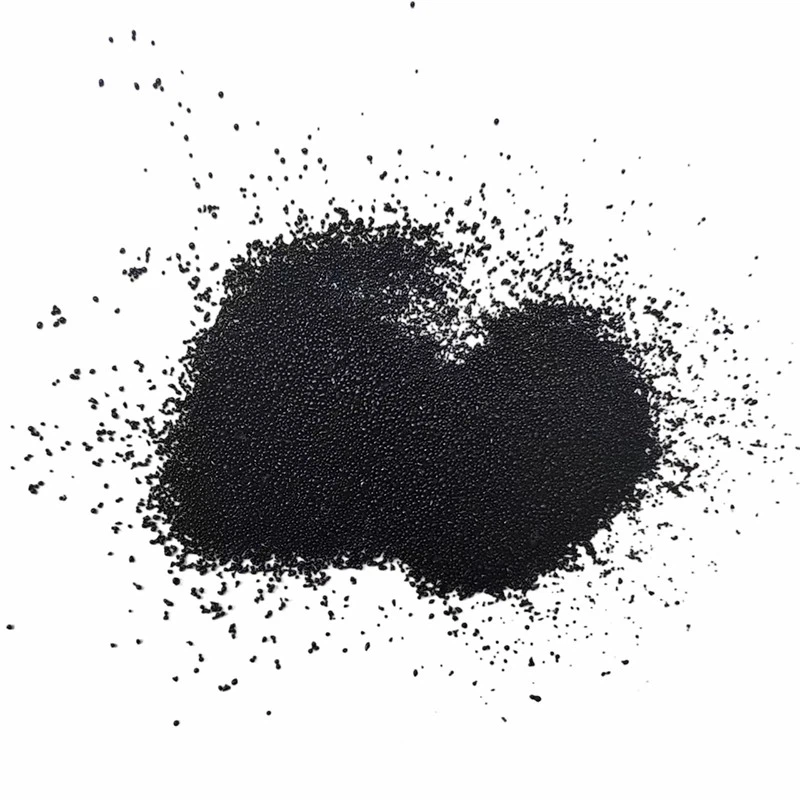
Composition of Powdered Seaweed Fertilizer
Powdered seaweed fertilizer is made by drying and grinding seaweed into a fine powder. Seaweed is a diverse group of marine plants that contain a wide range of nutrients, including nitrogen, phosphorus, potassium, calcium, magnesium, and trace elements such as iron, zinc, copper, and manganese. In addition to these essential nutrients, seaweed also contains bioactive compounds such as amino acids, vitamins, hormones, and polysaccharides.
These bioactive compounds are what give powdered seaweed fertilizer its unique properties and potential benefits for plants. For example, seaweed contains cytokinins, a type of plant hormone that promotes cell division and growth. It also contains auxins, which are involved in root development and the regulation of plant growth. Additionally, seaweed polysaccharides can act as a natural soil conditioner, improving soil structure and water-holding capacity.
Influence on Enzyme Activity
Stimulation of Enzyme Synthesis
The nutrients and bioactive compounds in powdered seaweed fertilizer can stimulate the synthesis of enzymes in plants. For example, the amino acids in seaweed can serve as building blocks for enzyme proteins. When plants are supplied with an adequate amount of amino acids, they can synthesize more enzymes, leading to increased enzyme activity.
The hormones in seaweed, such as cytokinins and auxins, can also play a role in enzyme synthesis. Cytokinins have been shown to enhance the synthesis of enzymes involved in photosynthesis and nitrogen metabolism. Auxins, on the other hand, can promote the synthesis of enzymes related to root development and nutrient uptake.
Enhancement of Enzyme Stability
Powdered seaweed fertilizer can also enhance the stability of enzymes in plants. The polysaccharides in seaweed can form a protective layer around enzymes, preventing them from being denatured or degraded by environmental factors such as heat, cold, and oxidative stress.
In addition, the trace elements in seaweed, such as zinc and copper, are essential cofactors for many enzymes. These trace elements can help maintain the proper structure and function of enzymes, ensuring their stability and activity.
Improvement of Enzyme Substrate Availability
The nutrients in powdered seaweed fertilizer can improve the availability of substrates for enzymes. For example, the nitrogen, phosphorus, and potassium in seaweed can provide the necessary energy and building blocks for enzyme-catalyzed reactions. When plants have an adequate supply of these nutrients, they can produce more substrates, leading to increased enzyme activity.
The polysaccharides in seaweed can also improve soil fertility and nutrient availability. They can bind to nutrients in the soil, preventing them from being leached away and making them more accessible to plants. This, in turn, can increase the availability of substrates for enzymes in plants.
Case Studies and Research Findings
Numerous studies have investigated the effects of seaweed fertilizers on plant enzyme activity. For example, a study conducted on wheat plants found that the application of seaweed extract increased the activity of nitrate reductase, which is involved in nitrogen assimilation. The researchers attributed this increase in enzyme activity to the presence of bioactive compounds in the seaweed extract, such as cytokinins and amino acids.
Another study on tomato plants showed that the use of seaweed fertilizer enhanced the activity of antioxidant enzymes, such as superoxide dismutase and catalase. These enzymes play a crucial role in protecting plants from oxidative stress caused by environmental factors such as drought, salinity, and pathogens. The researchers suggested that the polysaccharides and trace elements in the seaweed fertilizer contributed to the increased antioxidant enzyme activity.
Comparison with Other Types of Fertilizers
When compared to traditional chemical fertilizers, powdered seaweed fertilizer offers several advantages in terms of its influence on plant enzyme activity. Chemical fertilizers typically provide only a limited number of nutrients, such as nitrogen, phosphorus, and potassium. While these nutrients are essential for plant growth, they do not contain the bioactive compounds found in seaweed fertilizer.
In contrast, powdered seaweed fertilizer contains a wide range of nutrients and bioactive compounds that can stimulate enzyme synthesis, enhance enzyme stability, and improve enzyme substrate availability. This makes it a more holistic and sustainable option for promoting plant health and growth.
Compared to Liquid Seaweed Extract Fertilizer and Granular Seaweed Fertiliser, powdered seaweed fertilizer has its own unique characteristics. Powdered seaweed fertilizer is more convenient to store and transport, and it can be easily mixed with other fertilizers or soil amendments. It also has a longer shelf life compared to liquid seaweed extract fertilizer.
Practical Applications
Farmers and gardeners can use powdered seaweed fertilizer to improve plant enzyme activity and overall plant health. Here are some practical applications:
- Seed Treatment: Soaking seeds in a solution of powdered seaweed fertilizer before planting can stimulate germination and early root development. The bioactive compounds in the seaweed fertilizer can enhance the activity of enzymes involved in seed germination, such as amylase, which breaks down starch into sugars.
- Foliar Spray: Spraying a diluted solution of powdered seaweed fertilizer on the leaves of plants can provide a quick boost of nutrients and bioactive compounds. This can enhance the activity of enzymes involved in photosynthesis and stress response, leading to improved plant growth and productivity.
- Soil Amendment: Incorporating powdered seaweed fertilizer into the soil can improve soil fertility and structure. The polysaccharides in the seaweed fertilizer can help bind soil particles together, improving water-holding capacity and nutrient availability. This can increase the activity of enzymes involved in nutrient uptake and cycling in the soil.
Conclusion
In conclusion, powdered seaweed fertilizer can have a significant influence on plant enzyme activity. Its rich nutrient content and bioactive compounds can stimulate enzyme synthesis, enhance enzyme stability, and improve enzyme substrate availability. By promoting plant enzyme activity, powdered seaweed fertilizer can enhance plant growth, development, and stress tolerance.
As a supplier of Powdered Seaweed Fertilizer, I am committed to providing high-quality products that can help farmers and gardeners achieve better results. If you are interested in learning more about our powdered seaweed fertilizer or would like to discuss your specific needs, please feel free to contact us. We look forward to the opportunity to work with you and contribute to the success of your agricultural endeavors.
References
- Blunden, G. (1991). Seaweed as a source of plant growth substances. Journal of Applied Phycology, 3(1), 1-14.
- Crouch, N. P., & Van Staden, J. (1993). The effect of seaweed extracts on plant growth. Journal of Applied Phycology, 5(1), 3-11.
- Khan, W., Rayirath, U. P., Subramanian, S., Jithesh, M. N., Asirvatham, E., Rayorath, P. S., ... & Prithiviraj, B. (2009). Seaweed extracts as biostimulants of plant growth and development. Journal of Plant Growth Regulation, 28(1), 38-53.
- Zhang, H., & Ervin, E. H. (2004). Effects of seaweed extract on turfgrass growth and quality. HortScience, 39(3), 610-614.


