As a supplier of seaweed extract fertilizer, I've witnessed firsthand the remarkable impact this natural product has on plant nutrient uptake. Seaweed extract fertilizers are derived from various species of seaweed, which are rich in a wide array of nutrients, growth - promoting substances, and bioactive compounds. In this blog, I'll delve into how seaweed extract fertilizer influences plant nutrient uptake and why it's a game - changer in the world of agriculture.
Nutrient Composition of Seaweed Extract Fertilizer
Seaweed extract fertilizers are a treasure trove of essential nutrients. They contain macro - nutrients such as nitrogen (N), phosphorus (P), and potassium (K), which are the building blocks for plant growth. Nitrogen is crucial for the synthesis of proteins, chlorophyll, and other vital molecules. Phosphorus plays a key role in energy transfer and root development, while potassium regulates various physiological processes in plants, including water uptake and enzyme activation.
In addition to these macronutrients, seaweed extracts are also rich in micronutrients like iron (Fe), manganese (Mn), zinc (Zn), copper (Cu), and molybdenum (Mo). These micronutrients are required in smaller quantities but are equally important for plant health. For example, iron is essential for chlorophyll synthesis, and zinc is involved in hormone regulation and enzyme activity.
Moreover, seaweed extracts contain organic compounds such as amino acids, vitamins, and polysaccharides. Amino acids are the building blocks of proteins and can be directly absorbed by plants, providing a readily available source of nitrogen. Vitamins, such as vitamin C and vitamin E, act as antioxidants, protecting plants from oxidative stress. Polysaccharides can improve soil structure and water - holding capacity, indirectly affecting nutrient availability to plants.
Mechanisms of Enhanced Nutrient Uptake
Root Development
One of the primary ways seaweed extract fertilizer impacts plant nutrient uptake is by promoting root development. Seaweed extracts contain plant growth regulators, such as auxins, cytokinins, and gibberellins. Auxins stimulate root elongation and lateral root formation. A well - developed root system has a larger surface area, which allows plants to explore a greater volume of soil and access more nutrients.
Cytokinins, on the other hand, promote cell division in the roots, leading to increased root biomass. This enhanced root growth not only improves the physical ability of plants to take up nutrients but also increases the number of root hairs. Root hairs are tiny, finger - like projections on the root surface that significantly increase the root's surface area for nutrient absorption.
Nutrient Solubility and Availability
Seaweed extracts can also improve the solubility and availability of nutrients in the soil. The polysaccharides and other organic compounds in seaweed extracts can chelate or bind to metal ions, preventing them from forming insoluble complexes in the soil. For example, iron can form insoluble oxides in alkaline soils, making it unavailable to plants. Seaweed - derived chelating agents can keep iron in a soluble form, allowing plants to absorb it more easily.
In addition, seaweed extracts can modify the soil pH in the rhizosphere (the area around the roots). Some seaweed extracts have the ability to buffer the soil pH, creating a more favorable environment for nutrient uptake. For instance, in acidic soils, seaweed extracts can increase the pH slightly, making nutrients like phosphorus and calcium more available to plants.
Stimulation of Nutrient Transporters
Plants have specific transporters in their roots that are responsible for taking up nutrients from the soil. Seaweed extract fertilizers can stimulate the activity of these nutrient transporters. The bioactive compounds in seaweed extracts can signal the plant to increase the production and activity of transporters for various nutrients. For example, they can enhance the activity of potassium transporters, leading to increased potassium uptake by plants.
Impact on Different Nutrients
Nitrogen Uptake
Seaweed extract fertilizers can enhance nitrogen uptake in multiple ways. The amino acids present in seaweed extracts can be directly absorbed by plants, providing an immediate source of nitrogen. Additionally, the improved root development and increased root surface area allow plants to take up more nitrate and ammonium ions from the soil. The stimulation of root growth also means that plants can explore a larger volume of soil, increasing the chances of encountering nitrogen - rich areas.
Phosphorus Uptake
Phosphorus is often a limiting nutrient in many soils due to its low solubility. Seaweed extracts can help overcome this limitation. The chelating agents in seaweed extracts can prevent phosphorus from binding to soil particles and forming insoluble compounds. Moreover, the promotion of root growth and the increase in root hairs improve the plant's ability to access the limited available phosphorus in the soil.
Potassium Uptake
Potassium is essential for plant osmoregulation, enzyme activation, and stress tolerance. Seaweed extract fertilizers can enhance potassium uptake by stimulating the activity of potassium transporters in the roots. The improved root development also allows plants to take up more potassium from the soil solution. Additionally, the polysaccharides in seaweed extracts can improve the soil's cation - exchange capacity, which helps in retaining and releasing potassium ions for plant uptake.
Types of Seaweed Extract Fertilizers
There are different types of seaweed extract fertilizers available in the market, each with its own advantages.
Liquid Seaweed Extract Fertilizer is a popular choice. It can be easily applied through foliar spraying or soil drenching. Foliar application allows for quick absorption of nutrients through the leaves, while soil drenching ensures that the nutrients reach the roots. Liquid seaweed extract fertilizers are also highly concentrated and can be easily mixed with other fertilizers or pesticides.

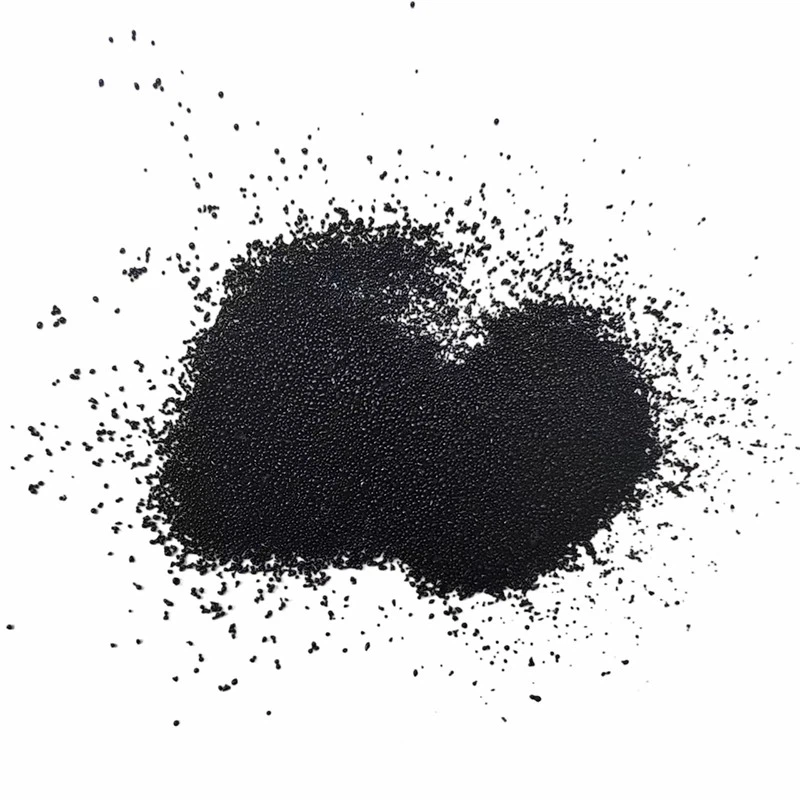
Powdered Seaweed Fertilizer is convenient for storage and transportation. It can be applied directly to the soil or mixed with other fertilizers. Powdered seaweed fertilizers are often more cost - effective for large - scale agricultural applications.
Granular Seaweed Fertiliser is another option. Granules are easy to spread evenly over the soil surface. They release nutrients slowly over time, providing a long - term supply of nutrients to the plants.
Real - World Applications and Benefits
In real - world agricultural settings, the use of seaweed extract fertilizers has shown significant benefits. In vegetable gardens, the application of seaweed extract fertilizers has led to increased yields, improved fruit quality, and better resistance to pests and diseases. For example, tomatoes grown with seaweed extract fertilizers are often larger, have a better flavor, and are less prone to blossom - end rot, a calcium - related disorder.
In commercial farming, seaweed extract fertilizers can reduce the reliance on synthetic fertilizers. By improving nutrient uptake efficiency, farmers can use less synthetic fertilizers while still achieving comparable or even better yields. This not only reduces the cost of production but also has environmental benefits, such as reducing the risk of nutrient runoff and water pollution.
Conclusion
In conclusion, seaweed extract fertilizers have a profound impact on plant nutrient uptake. Through promoting root development, improving nutrient solubility and availability, and stimulating nutrient transporters, they enhance the ability of plants to take up essential nutrients from the soil. The wide range of nutrients and bioactive compounds in seaweed extracts make them a valuable addition to any agricultural or horticultural practice.
Whether you are a small - scale gardener or a large - scale farmer, our seaweed extract fertilizers can provide the solution you need for healthy, productive plants. If you are interested in learning more about our products or would like to discuss a potential purchase, please feel free to reach out. We are eager to help you achieve the best results in your farming or gardening endeavors.
References
- Blunden, G. (1977). Seaweeds as sources of plant growth substances. Botanica Marina, 20(1), 1 - 14.
- Craigie, J. S. (2011). Algal polysaccharides in crop protection. Journal of Applied Phycology, 23(3), 393 - 406.
- Sharma, P., & Sharma, A. (2017). Seaweed extracts as biostimulants in horticulture. Scientia Horticulturae, 226, 38 - 48.