

In the realm of modern agriculture, the quest for sustainable and effective fertilizers has led to a growing interest in seaweed-based products. As a supplier of Seaweed granules fertilizer, I've witnessed firsthand the remarkable impact these fertilizers can have on plant growth and health. One of the most fascinating aspects of seaweed granules fertilizer is its potential to influence the genetic expression of plants. In this blog, we'll explore how seaweed granules fertilizer affects the genetic expression of plants and why it's an exciting area of research for farmers and scientists alike.
The Composition of Seaweed Granules Fertilizer
Seaweed granules fertilizer is derived from various species of seaweed, which are rich in a wide range of nutrients, vitamins, minerals, and bioactive compounds. These include nitrogen, phosphorus, potassium, calcium, magnesium, iron, zinc, copper, manganese, and various growth-promoting substances such as cytokinins, auxins, and gibberellins. Additionally, seaweed contains polysaccharides, amino acids, and antioxidants that can enhance plant resistance to stress and improve soil structure.
The unique composition of seaweed granules fertilizer makes it a valuable source of nutrition for plants. Unlike synthetic fertilizers, which often provide only a limited number of nutrients, seaweed fertilizers offer a more comprehensive blend of elements that can support overall plant health. This balanced nutrition can have a profound impact on plant growth, development, and genetic expression.
How Seaweed Granules Fertilizer Affects Genetic Expression
Activation of Stress-Response Genes
Plants are constantly exposed to various environmental stresses, such as drought, salinity, temperature extremes, and pathogen attacks. These stresses can have a significant impact on plant growth and productivity. Seaweed granules fertilizer contains bioactive compounds that can activate stress-response genes in plants, helping them to better cope with adverse conditions.
For example, studies have shown that seaweed extracts can induce the expression of genes involved in antioxidant defense mechanisms, such as superoxide dismutase (SOD), catalase (CAT), and peroxidase (POD). These enzymes help to scavenge reactive oxygen species (ROS) that are produced during stress, reducing oxidative damage to plant cells. By activating these genes, seaweed granules fertilizer can enhance plant tolerance to stress and improve their survival rates under challenging conditions.
Regulation of Growth and Development Genes
In addition to stress-response genes, seaweed granules fertilizer can also influence the expression of genes involved in plant growth and development. The growth-promoting substances in seaweed, such as cytokinins, auxins, and gibberellins, can regulate cell division, elongation, and differentiation, leading to increased plant height, leaf area, and root growth.
Cytokinins, for instance, are known to promote cell division and delay senescence, which can result in longer-lasting and more productive plants. Auxins, on the other hand, play a crucial role in root development and apical dominance, helping plants to establish a strong root system and grow upright. Gibberellins are involved in stem elongation and seed germination, contributing to overall plant growth and vigor.
By modulating the expression of these growth and development genes, seaweed granules fertilizer can optimize plant growth and improve crop yields. This can be particularly beneficial in agriculture, where maximizing productivity is a key goal.
Enhancement of Nutrient Uptake Genes
Another important aspect of seaweed granules fertilizer is its ability to enhance the expression of genes involved in nutrient uptake and transport. The nutrients in seaweed, such as nitrogen, phosphorus, and potassium, are essential for plant growth and development. However, plants often face challenges in acquiring these nutrients from the soil, especially in poor or nutrient-deficient soils.
Seaweed granules fertilizer can stimulate the expression of genes encoding nutrient transporters, such as nitrate transporters, phosphate transporters, and potassium channels. These transporters are responsible for taking up nutrients from the soil and transporting them into plant cells. By increasing the expression of these genes, seaweed granules fertilizer can improve nutrient uptake efficiency, ensuring that plants have an adequate supply of essential nutrients for growth and development.
Benefits of Seaweed Granules Fertilizer for Agriculture
The ability of seaweed granules fertilizer to affect genetic expression in plants has several practical benefits for agriculture.
Improved Crop Yields
By enhancing plant growth, development, and stress tolerance, seaweed granules fertilizer can significantly increase crop yields. Studies have shown that the use of seaweed-based fertilizers can lead to higher yields of various crops, including cereals, vegetables, fruits, and ornamental plants. This can translate into increased profits for farmers and a more stable food supply for consumers.

Enhanced Crop Quality
In addition to increasing yields, seaweed granules fertilizer can also improve the quality of crops. The activation of stress-response genes and the enhancement of nutrient uptake can result in healthier, more robust plants with better flavor, color, and nutritional value. For example, seaweed fertilizers have been shown to increase the sugar content, vitamin C content, and antioxidant activity of fruits and vegetables, making them more appealing to consumers.
Sustainable Agriculture
Seaweed granules fertilizer is a natural and sustainable alternative to synthetic fertilizers. Seaweed is a renewable resource that can be harvested without causing significant environmental damage. Additionally, seaweed fertilizers can improve soil fertility and structure, reducing the need for chemical inputs and minimizing the risk of soil erosion and pollution. By using seaweed granules fertilizer, farmers can adopt more sustainable agricultural practices that are beneficial for both the environment and future generations.
Our Seaweed Granules Fertilizer Products
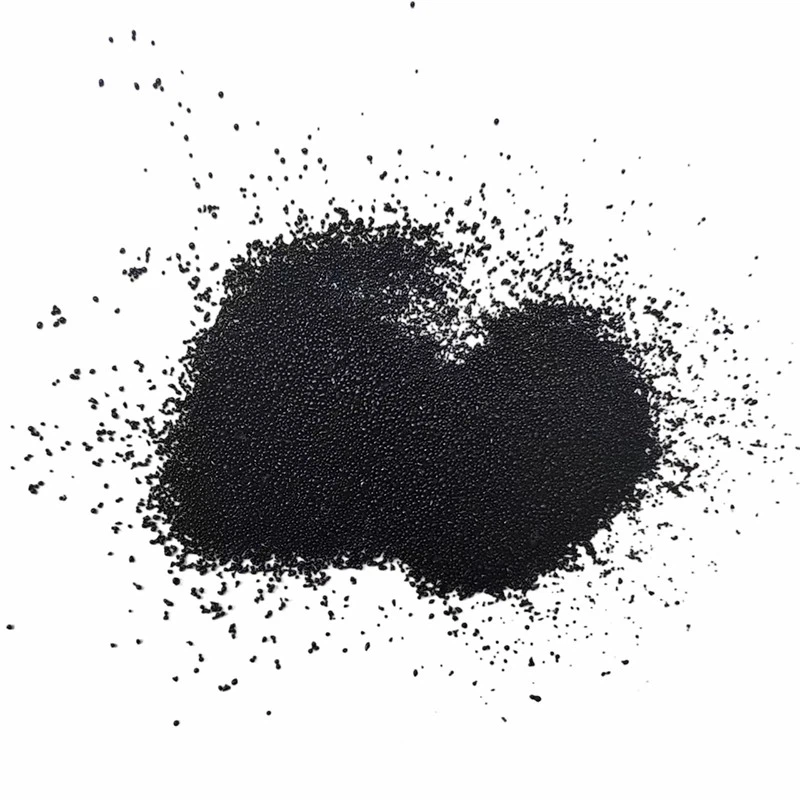
As a supplier of Seaweed granules fertilizer, we offer a range of high-quality products that are designed to meet the specific needs of farmers and gardeners. Our Granular Seaweed Fertiliser is made from carefully selected seaweed species and processed using advanced techniques to preserve its natural nutrients and bioactive compounds.
In addition to our granular fertilizer, we also offer Liquid Seaweed Extract Fertilizer and Powdered Seaweed Fertilizer, which provide different application options depending on your needs. Our liquid fertilizer can be easily applied through irrigation systems or foliar spraying, while our powdered fertilizer can be mixed with soil or used as a top dressing.
Contact Us for Procurement and Consultation
If you're interested in learning more about our seaweed granules fertilizer products or have any questions about how they can benefit your crops, we'd love to hear from you. Our team of experts is available to provide you with detailed information and guidance on product selection, application methods, and dosage rates.
Whether you're a large-scale farmer, a smallholder grower, or a home gardener, we're committed to helping you achieve the best possible results with our seaweed-based fertilizers. Contact us today to start a conversation about how we can work together to improve your agricultural productivity and sustainability.
References
- Craigie, J. S. (2011). Applications of seaweed extracts in crop production: a review. Journal of Applied Phycology, 23(3), 371-393.
- Khan, W., Rayirath, U. P., Subramanian, S., Jithesh, M. N., Asirvatham, S., Bourque, G., ... & Prithiviraj, B. (2009). Seaweed extracts as biostimulants of plant growth and development. Journal of Plant Growth Regulation, 28(1), 38-53.
- Sharma, P., Jha, A. B., Dubey, R. S., & Pessarakli, M. (2012). Reactive oxygen species, oxidative damage, and antioxidative defense mechanism in plants under stressful conditions. Journal of Botany, 2012, 1-26.
- Wang, Y., & Liu, J. (2014). Effects of seaweed extract on growth, nutrient uptake, and antioxidant enzyme activities of cucumber seedlings under salt stress. Journal of Plant Nutrition, 37(10), 1484-1493.


