Soil aeration is a critical factor in maintaining healthy soil and promoting robust plant growth. It refers to the process by which air moves in and out of the soil, facilitating the exchange of gases between the soil and the atmosphere. Adequate soil aeration is essential for root respiration, nutrient uptake, and the activity of beneficial soil microorganisms. In this blog post, we will explore how Sodium Humate Fertilizer impacts soil aeration and why it is a valuable addition to any soil management strategy. As a Sodium Humate Fertilizer supplier, I have witnessed firsthand the positive effects of this product on soil health and plant growth.
Understanding Soil Aeration
Before delving into the impact of Sodium Humate Fertilizer on soil aeration, it's important to understand the basics of soil aeration. Soil is a complex mixture of minerals, organic matter, water, and air. The spaces between soil particles, known as pores, play a crucial role in soil aeration. These pores can be classified into two main types: macropores and micropores.
Macropores are relatively large pores that allow for the rapid movement of air and water through the soil. They are essential for providing oxygen to plant roots and facilitating the drainage of excess water. Micropores, on the other hand, are smaller pores that hold water and nutrients. While they are important for water retention and nutrient availability, they can also restrict air movement if they become saturated.
Factors such as soil texture, structure, compaction, and organic matter content can all influence soil aeration. For example, soils with a high clay content tend to have smaller pores and poorer aeration compared to sandy soils. Similarly, compacted soils have reduced pore space, which can limit air movement and lead to oxygen deprivation in plant roots.
How Sodium Humate Fertilizer Improves Soil Aeration
Sodium Humate Fertilizer is a natural organic fertilizer derived from leonardite, a type of soft brown coal. It is rich in humic acid, a complex organic compound that has numerous benefits for soil health and plant growth. One of the key ways in which Sodium Humate Fertilizer impacts soil aeration is by improving soil structure.
When Sodium Humate Fertilizer is applied to the soil, the humic acid in the fertilizer binds to soil particles, forming aggregates. These aggregates create larger pores in the soil, which improves soil aeration and drainage. The increased pore space allows for better air circulation and oxygen diffusion, providing plant roots with the oxygen they need to grow and thrive.
In addition to improving soil structure, Sodium Humate Fertilizer also helps to reduce soil compaction. Compaction can occur as a result of heavy machinery, foot traffic, or excessive tillage. It can lead to reduced pore space, poor aeration, and limited root growth. The humic acid in Sodium Humate Fertilizer acts as a natural soil conditioner, helping to loosen compacted soil and restore its structure. By reducing soil compaction, Sodium Humate Fertilizer improves soil aeration and allows plant roots to penetrate the soil more easily.

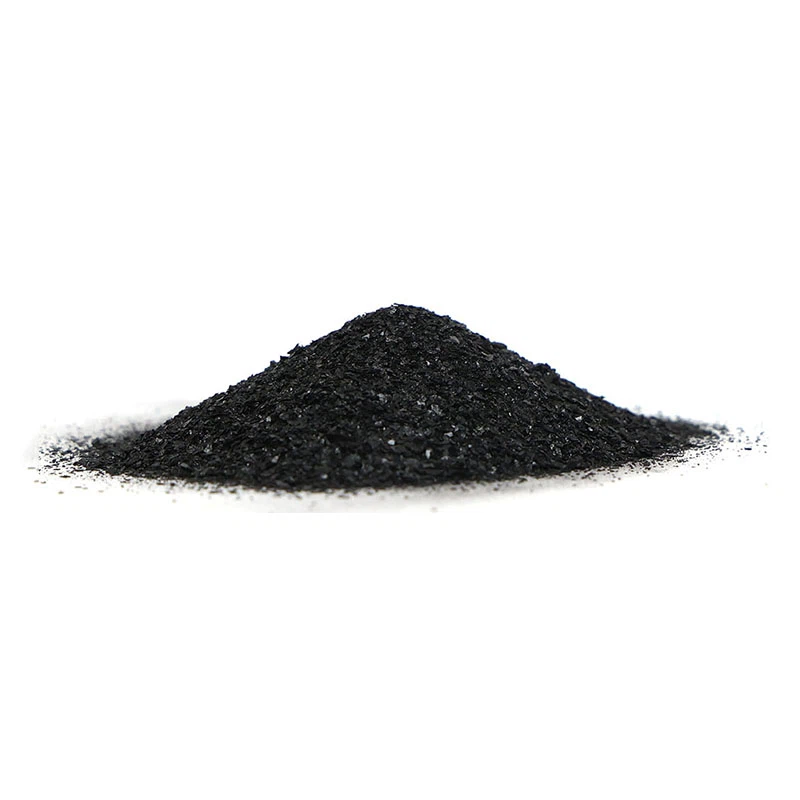
Another way in which Sodium Humate Fertilizer impacts soil aeration is by promoting the growth of beneficial soil microorganisms. These microorganisms play a crucial role in soil health and fertility. They help to break down organic matter, release nutrients, and improve soil structure. The humic acid in Sodium Humate Fertilizer provides a food source for these microorganisms, stimulating their growth and activity. As the population of beneficial soil microorganisms increases, they help to create a more porous soil structure, which improves soil aeration.
Benefits of Improved Soil Aeration
The benefits of improved soil aeration are numerous. Here are some of the key benefits that can be achieved by using Sodium Humate Fertilizer to improve soil aeration:
- Enhanced Root Growth: Adequate soil aeration provides plant roots with the oxygen they need to grow and develop. When roots have access to sufficient oxygen, they can grow deeper and more extensively, which improves nutrient uptake and water absorption. This, in turn, leads to stronger, healthier plants with better resistance to stress and disease.
- Increased Nutrient Availability: Improved soil aeration promotes the activity of beneficial soil microorganisms, which help to break down organic matter and release nutrients. The increased oxygen levels in the soil also enhance the availability of certain nutrients, such as nitrogen, phosphorus, and potassium. This means that plants can access the nutrients they need more easily, leading to improved growth and productivity.
- Better Water Management: Soil aeration plays a crucial role in water management. Well-aerated soils have better drainage, which helps to prevent waterlogging and reduce the risk of root rot. At the same time, the increased pore space in the soil allows for better water infiltration and retention, ensuring that plants have access to water even during dry periods.
- Improved Soil Health: By improving soil aeration, Sodium Humate Fertilizer helps to create a more favorable environment for beneficial soil microorganisms. These microorganisms play a crucial role in maintaining soil health and fertility. They help to break down organic matter, recycle nutrients, and suppress the growth of harmful pathogens. As a result, the use of Sodium Humate Fertilizer can lead to improved soil structure, increased organic matter content, and enhanced soil fertility.
Comparing with Other Fertilizers
When considering the impact of fertilizers on soil aeration, it's important to compare Sodium Humate Fertilizer with other types of fertilizers, such as Potassium Fulvate Fertilizer and Potassium Humate Fertilizer.
Potassium Fulvate Fertilizer is another type of organic fertilizer that is rich in fulvic acid. While it also has some benefits for soil health and plant growth, it may not have the same impact on soil aeration as Sodium Humate Fertilizer. Fulvic acid is more water-soluble than humic acid, which means that it may not be as effective in improving soil structure and creating larger pores in the soil.
Potassium Humate Fertilizer is similar to Sodium Humate Fertilizer in that it is also rich in humic acid. However, the potassium in Potassium Humate Fertilizer provides an additional benefit of supplying potassium to plants. Potassium is an essential nutrient for plant growth and development, and it plays a crucial role in many physiological processes, such as photosynthesis, water regulation, and disease resistance. While both Sodium Humate Fertilizer and Potassium Humate Fertilizer can improve soil aeration, the choice between the two may depend on the specific needs of the plants and the soil.
Conclusion and Call to Action
In conclusion, Sodium Humate Fertilizer has a significant impact on soil aeration. By improving soil structure, reducing soil compaction, and promoting the growth of beneficial soil microorganisms, it helps to create a more porous soil environment with better air circulation and oxygen diffusion. The benefits of improved soil aeration include enhanced root growth, increased nutrient availability, better water management, and improved soil health.
If you are looking for a natural and effective way to improve soil aeration and promote healthy plant growth, I encourage you to consider using Sodium Humate Fertilizer. As a Sodium Humate Fertilizer supplier, I am committed to providing high-quality products that meet the needs of our customers. Whether you are a farmer, a gardener, or a landscaper, Sodium Humate Fertilizer can help you achieve better results in your soil management and plant cultivation.
If you have any questions or would like to learn more about our Sodium Humate Fertilizer products, please feel free to contact us. We would be happy to discuss your specific needs and provide you with more information on how our products can benefit your soil and plants. Let's work together to improve soil health and promote sustainable agriculture.
References
- Stevenson, F. J. (1994). Humus Chemistry: Genesis, Composition, Reactions. John Wiley & Sons.
- Tan, K. H. (2014). Humic Matter in Soil and the Environment: Principles and Controversies. CRC Press.
- Chen, Y., & Aviad, T. (1990). Effects of humic substances on plant growth. In Humic Substances in Soil, Sediment, and Water (pp. 401-421). Wiley.