

Hey there, fellow gardening enthusiasts! I'm stoked to share some insights with you today about how vermicompost can work wonders for the growth of herbs. As a proud vermicompost supplier, I've seen firsthand the incredible benefits it brings to herb gardens, and I can't wait to spill the beans.
What is Vermicompost?
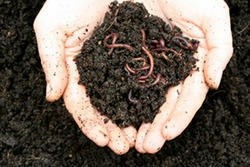
First things first, let's talk about what vermicompost actually is. Vermicompost is the end product of the decomposition process carried out by earthworms. These little critters munch on organic materials like food scraps, manure, and plant waste, and in the process, they turn it into a nutrient-rich, dark, and crumbly substance that's often referred to as "black gold" in the gardening world.
The magic of vermicompost lies in its unique composition. It's packed with essential nutrients like nitrogen, phosphorus, and potassium, which are crucial for plant growth. But that's not all. Vermicompost also contains beneficial microorganisms, enzymes, and hormones that help improve soil structure, enhance water retention, and promote healthy root development.
How Vermicompost Affects Herb Growth
Nutrient Supply
Herbs, like all plants, need a steady supply of nutrients to thrive. Vermicompost provides a slow-release source of these nutrients, ensuring that your herbs get a consistent dose over time. Nitrogen, for example, is essential for leafy growth, and vermicompost contains a good amount of it. This means that your herbs will have lush, green foliage that looks and tastes great.
Phosphorus is important for root development and flower production. When you use vermicompost in your herb garden, you're giving your plants the phosphorus they need to establish strong roots and produce beautiful blooms. Potassium, on the other hand, helps with overall plant health and disease resistance. With vermicompost in the soil, your herbs will be better equipped to fend off pests and diseases.
Soil Structure
One of the key benefits of vermicompost is its ability to improve soil structure. When you add vermicompost to your soil, it helps to loosen compacted soil, allowing air and water to penetrate more easily. This is especially important for herbs, as they prefer well-drained soil. Improved soil structure also means that the roots of your herbs can grow more freely, which leads to healthier and more productive plants.
In addition, vermicompost acts as a natural soil conditioner. It helps to balance the pH of the soil, making it more suitable for herb growth. Most herbs prefer a slightly acidic to neutral soil pH, and vermicompost can help maintain this optimal range.

Microbial Activity
Vermicompost is teeming with beneficial microorganisms, such as bacteria, fungi, and protozoa. These microorganisms play a crucial role in the soil ecosystem. They help to break down organic matter further, releasing even more nutrients for your herbs. They also form symbiotic relationships with the roots of your plants, helping them to absorb nutrients more efficiently.
Some of these microorganisms can even help to suppress harmful pathogens in the soil. This means that your herbs are less likely to suffer from soil-borne diseases, which can be a major problem in herb gardens. By using vermicompost, you're creating a healthy and balanced soil environment that promotes the growth of strong and vibrant herbs.
Water Retention
Another great advantage of vermicompost is its ability to improve water retention in the soil. The organic matter in vermicompost acts like a sponge, absorbing and holding onto water. This means that your herbs will have access to a steady supply of moisture, even during dry periods.
Improved water retention also helps to prevent water runoff and soil erosion. This is important for maintaining the health of your herb garden and protecting the environment. With vermicompost in the soil, you'll need to water your herbs less frequently, which can save you time and money in the long run.
Real-Life Examples
I've had the pleasure of working with many herb growers over the years, and I've seen some amazing results. One of my customers, a small-scale herb farmer, was struggling with poor soil quality and low yields. After switching to using our vermicompost, he noticed a significant improvement in the health and productivity of his herbs.
His basil plants, in particular, were thriving. They had larger leaves, a stronger aroma, and a better flavor. He was able to harvest more basil than ever before, and he was able to sell it at a higher price due to its superior quality. Another customer, a home gardener, used our vermicompost in her herb container garden. She was amazed at how quickly her herbs grew and how healthy they looked. Her mint plants, which had previously been struggling, started to grow vigorously and produced an abundance of fresh leaves.
Our Earth Worm Granular Fertilizer
If you're interested in trying out vermicompost for your herb garden, I highly recommend our Earth Worm Granular Fertilizer. It's made from high-quality vermicompost that's been carefully processed into a convenient granular form. This makes it easy to apply to your soil, whether you're growing herbs in a garden bed, a container, or a raised bed.
Our Earth Worm Granular Fertilizer is rich in nutrients and beneficial microorganisms, just like the vermicompost I've been talking about. It's also free from harmful chemicals and pesticides, so you can be sure that you're using a safe and natural product for your herbs.
How to Use Vermicompost for Herbs
Using vermicompost for your herbs is easy. Here are some simple steps to get you started:
Prepare the Soil
Before planting your herbs, loosen the soil in your garden bed or container. Remove any weeds or debris, and break up any clumps of soil. If you're using a container, make sure it has drainage holes at the bottom.
Add Vermicompost
Mix vermicompost into the soil at a ratio of about 1 part vermicompost to 3 parts soil. You can also add a layer of vermicompost on top of the soil as a mulch. This will help to retain moisture and suppress weeds.
Plant Your Herbs
Once you've added the vermicompost to the soil, it's time to plant your herbs. Dig a hole for each plant, making sure it's deep enough to accommodate the roots. Place the plant in the hole, and gently fill in the soil around it. Water the plants thoroughly.
Maintain Your Herb Garden
After planting your herbs, make sure to water them regularly and keep the soil moist but not waterlogged. You can also fertilize your herbs with vermicompost every few months to keep them healthy and productive.
Conclusion
In conclusion, vermicompost is a game-changer when it comes to growing herbs. It provides a wealth of benefits, from nutrient supply and soil structure improvement to microbial activity and water retention. By using vermicompost in your herb garden, you can grow healthy, vibrant, and delicious herbs that will enhance your cooking and your life.
If you're interested in learning more about our vermicompost products or have any questions about using vermicompost for your herbs, please don't hesitate to get in touch. We're always happy to help and look forward to the opportunity to work with you to create a thriving herb garden.
References
- Edwards, C. A., & Arancon, N. Q. (2004). The science of vermiculture. CRC Press.
- Lee, K. E. (1985). Earthworms: their ecology and relationships with soils and land use. Academic Press.
- Paoletti, M. G., & Hassall, M. (1999). Earthworms in sustainable soil health. Earthworm Ecology and Biogeography in North America.


