

As a water-soluble fertilizer supplier, I've witnessed firsthand the impact of water-soluble fertilizers on various plants, especially leguminous plants. Leguminous plants have a unique characteristic: they can form symbiotic relationships with rhizobia to perform biological nitrogen fixation through root nodulation. This process is crucial for both the plant's growth and the overall soil fertility. In this blog, I'll delve into how water-soluble fertilizers affect the root nodulation of leguminous plants.
Understanding Root Nodulation in Leguminous Plants
Before exploring the impact of water-soluble fertilizers, it's essential to understand the root nodulation process in leguminous plants. Legumes and rhizobia enter into a symbiotic relationship. The rhizobia infect the roots of leguminous plants, leading to the formation of nodules. Inside these nodules, the rhizobia convert atmospheric nitrogen into ammonia, which can be utilized by the plant. This biological nitrogen fixation reduces the plant's dependence on external nitrogen sources and enriches the soil with nitrogen.
Impact of Different Types of Water Soluble Fertilizers on Root Nodulation
1. NPK Water Soluble Fertilizer
NPK Water Soluble Fertilizer provides essential nutrients such as nitrogen (N), phosphorus (P), and potassium (K). The nitrogen content in NPK fertilizers may have a complex relationship with root nodulation. In the initial stage, if there is an excessive supply of nitrogen, it can inhibit the nodulation process. This is because the plant has a sufficient nitrogen source, and there is less incentive for it to form a symbiotic relationship with rhizobia.
However, phosphorus is a key element for root nodulation. It is involved in many biochemical processes within the plant, including energy transfer and the synthesis of nucleic acids. Adequate phosphorus supply can promote the growth of leguminous plants, enhance the infection of rhizobia, and thus increase the number and quality of nodules. Potassium also plays an important role in regulating the physiological activities of plants, which can improve the plant's stress resistance and indirectly affect root nodulation.
In general, a balanced NPK water-soluble fertilizer with an appropriate nitrogen ratio is crucial. For example, a fertilizer with a relatively low nitrogen content during the early nodulation stage and a higher phosphorus and potassium content can promote root nodulation, while ensuring the overall growth of the plants.
2. Trace Element Water Soluble Feretilizer
Trace Element Water Soluble Feretilizer contains micronutrients such as iron (Fe), zinc (Zn), molybdenum (Mo), and boron (B). These trace elements are involved in various physiological and biochemical processes in leguminous plants and have a significant impact on root nodulation.
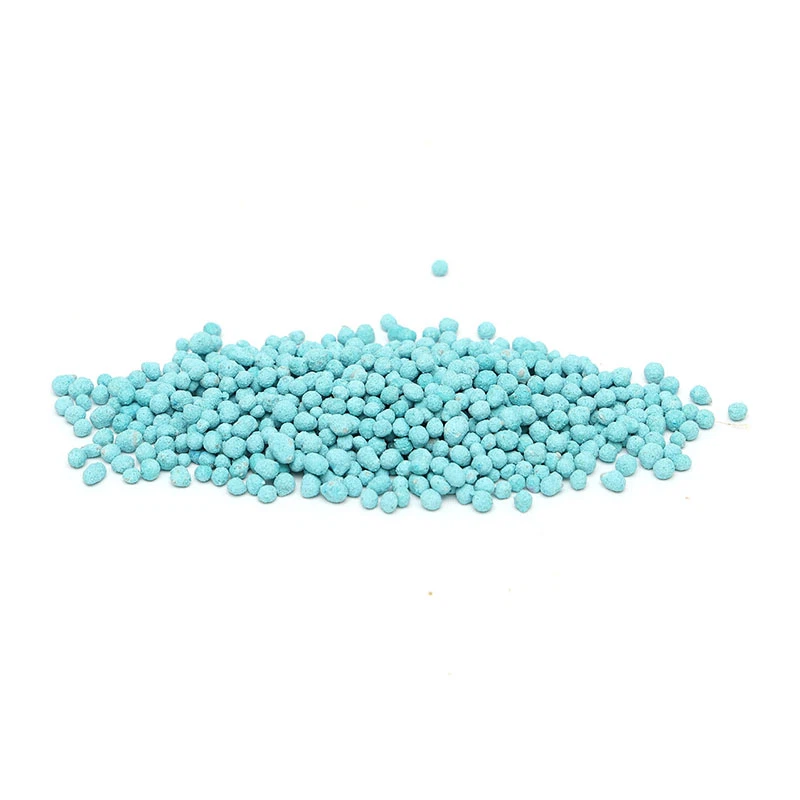

Molybdenum is particularly important for nitrogen fixation. It is a component of the nitrogenase enzyme in rhizobia, which is responsible for catalyzing the conversion of atmospheric nitrogen to ammonia. A deficiency of molybdenum can significantly reduce the nitrogen fixation ability of rhizobia and thus affect root nodulation. Iron is also essential for the synthesis of leghemoglobin in nodules, which helps to maintain a low-oxygen environment necessary for nitrogen fixation.
Zinc and boron are involved in plant hormone regulation, membrane integrity, and cell division. Proper supply of these trace elements can promote the growth and development of leguminous roots, making it easier for rhizobia to infect the roots and form nodules. Therefore, using a trace element water-soluble fertilizer can effectively improve the root nodulation of leguminous plants.
3. Organic Water Soluble Fertilizer
Organic Water Soluble Fertilizer contains organic matter, which can improve soil structure and fertility. Organic matter can provide a good living environment for rhizobia in the soil, promoting their growth and reproduction.
In addition, organic water-soluble fertilizers usually contain various beneficial microorganisms, which can interact with rhizobia and enhance the efficiency of root nodulation. For example, some beneficial bacteria can secrete substances that stimulate the growth of rhizobia or improve the plant's root system. The slow - release nutrients in organic fertilizers can also provide a more stable nutrient supply for leguminous plants during the nodulation process, reducing the negative impact of nutrient fluctuations.
Best Practices for Using Water Soluble Fertilizers to Promote Root Nodulation
As a water-soluble fertilizer supplier, I often recommend the following best practices to farmers and growers to maximize the positive impact of fertilizers on root nodulation:
- Soil Testing: Before applying water-soluble fertilizers, it's important to conduct a soil test to understand the current nutrient status of the soil. Based on the test results, appropriate fertilizers can be selected to avoid over - or under - fertilization.
- Timing of Application: Apply fertilizers at the right time. For example, in the early growth stage of leguminous plants, a fertilizer with a relatively high phosphorus and trace element content can be used to promote root development and nodulation. As the plants grow, the nutrient ratio can be adjusted according to their needs.
- Dosage Control: Strictly control the dosage of fertilizers. Excessive use of fertilizers, especially nitrogen fertilizers, can inhibit root nodulation. Following the recommended dosage based on the specific fertilizer and the type of leguminous plant is crucial.
- Combination with Rhizobia Inoculation: Combining the use of water-soluble fertilizers with rhizobia inoculation can achieve better results. The rhizobia inoculation can ensure a sufficient number of effective rhizobia in the soil, while the fertilizers provide other necessary nutrients for the growth of the plants and the function of the nodules.
Conclusion: The Importance of Water Soluble Fertilizers for Leguminous Crop Production
In conclusion, water-soluble fertilizers have a significant impact on the root nodulation of leguminous plants. Different types of water - soluble fertilizers, including NPK, trace element, and organic fertilizers, can play different roles in promoting or regulating the nodulation process. By choosing the right fertilizers, applying them at the appropriate time and dosage, and combining them with other agricultural practices such as rhizobia inoculation, farmers can improve the root nodulation of leguminous plants, enhance nitrogen fixation efficiency, and ultimately increase crop yields.
If you're interested in learning more about our water-soluble fertilizers or are looking to purchase fertilizers to improve the root nodulation of your leguminous crops, please don't hesitate to contact us for further discussions. We are committed to providing high - quality fertilizers and professional technical support to meet your agricultural needs.
References
- Sprent, J. I. (2001). The biology of nitrogen fixation. Wiley - Blackwell.
- Vance, C. P., Uhde - Stone, C., & Allan, D. L. (2003). Phosphorus acquisition and use: critical adaptations by plants for securing a nonrenewable resource. New Phytologist, 157(3), 423 - 447.
- Marschner, H. (2012). Mineral nutrition of higher plants. Academic press.


