

Hey there! As a supplier of Bio Organic Fertilizer, I've seen firsthand how important proper storage is for maintaining the quality and effectiveness of these products. In this blog, I'll share some tips on how to store bio organic fertilizer correctly.
Why Proper Storage Matters
First off, let's talk about why storage is such a big deal. Bio organic fertilizers, like the ones we offer at Link: Bio Organic Fertilizer, are full of living microorganisms and organic matter. These components are what make the fertilizer so effective in improving soil health and plant growth. But if they're not stored properly, these beneficial elements can break down, reducing the fertilizer's potency.

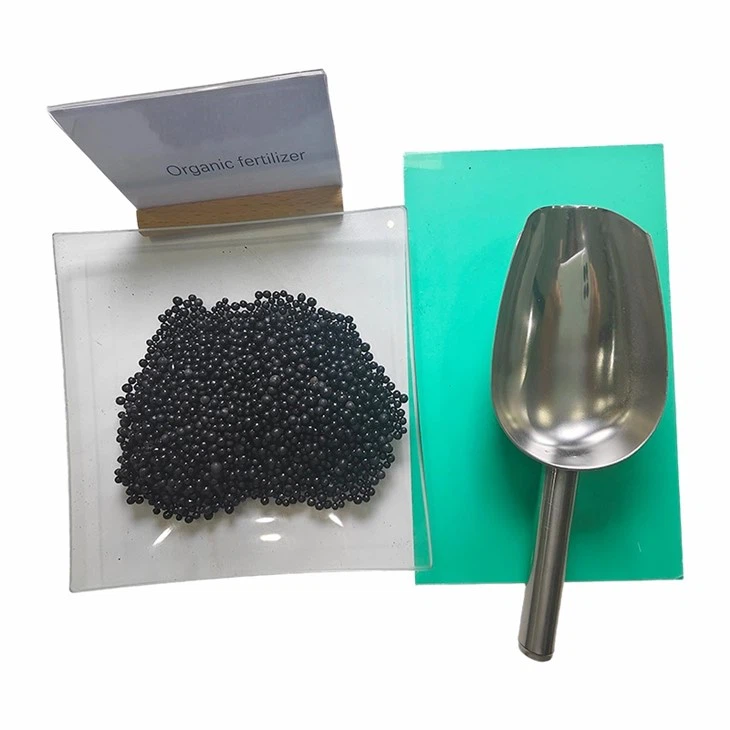
For example, exposure to extreme temperatures, moisture, or sunlight can kill off the microorganisms or cause the organic matter to decompose prematurely. This not only wastes your money but also means your plants won't get the full benefits of the fertilizer.
Ideal Storage Conditions
Temperature
Bio organic fertilizers are sensitive to temperature. They should be stored in a cool, dry place. The ideal temperature range is between 40°F (4°C) and 80°F (27°C). Temperatures outside of this range can have a negative impact on the viability of the microorganisms in the fertilizer.
If it gets too cold, the microorganisms can become dormant or even die. On the other hand, high temperatures can speed up the decomposition process, causing the fertilizer to lose its effectiveness more quickly. So, try to avoid storing the fertilizer in areas that are prone to extreme temperature fluctuations, like attics or unheated sheds.
Moisture
Moisture is another enemy of bio organic fertilizer. Excess moisture can cause the fertilizer to clump together, making it difficult to spread evenly. It can also promote the growth of mold and bacteria, which can contaminate the fertilizer and harm your plants.
To prevent moisture damage, store the fertilizer in a sealed container or bag. If you're using a large bag, make sure to roll down the top tightly after each use. You can also add a desiccant, like silica gel packets, to the storage container to absorb any excess moisture.
Sunlight
Sunlight can also be harmful to bio organic fertilizer. Ultraviolet (UV) rays can break down the organic matter and kill the microorganisms in the fertilizer. So, it's best to store the fertilizer in a dark place, like a closet or a storage room. If you have to store it outdoors, cover it with a tarp or other protective material to block out the sunlight.
Storage Containers
The type of container you use to store your bio organic fertilizer can also make a big difference. Here are some options to consider:
Plastic Bags
Plastic bags are a common choice for storing bio organic fertilizer. They're lightweight, inexpensive, and easy to seal. However, they're not very durable and can easily tear or puncture. If you choose to use plastic bags, make sure to store them in a sturdy container or on a shelf to prevent damage.
Plastic Containers
Plastic containers are a more durable option than plastic bags. They come in a variety of sizes and shapes, so you can choose one that fits your needs. Make sure the container has a tight-fitting lid to keep out moisture and pests.
Metal Containers
Metal containers are another option, but they can be more expensive than plastic containers. They're also heavier and more difficult to move around. However, they're very durable and can provide better protection against moisture and pests.
Handling and Transportation
Proper handling and transportation are also important for maintaining the quality of bio organic fertilizer. Here are some tips:
Avoid Rough Handling
When moving or transporting the fertilizer, be careful not to drop or shake it too much. Rough handling can cause the fertilizer to break down or clump together.
Keep It Clean
Make sure the storage container and any equipment you use to handle the fertilizer are clean. Contamination can introduce harmful bacteria or fungi to the fertilizer, which can reduce its effectiveness.
Follow Safety Guidelines
Bio organic fertilizers can be hazardous if not handled properly. Make sure to follow all safety guidelines provided by the manufacturer, including wearing gloves and a mask when handling the fertilizer.
Special Considerations for Different Types of Bio Organic Fertilizers
We offer a variety of bio organic fertilizers, including Link: Yeast Metabolite Granular Fertilizer and Link: Yeast Granular Fertilizer. While the general storage guidelines apply to all types of bio organic fertilizers, there are some special considerations for these products.
Yeast Metabolite Granular Fertilizer
Yeast metabolite granular fertilizer contains beneficial yeast metabolites that can improve soil fertility and plant growth. To maintain the viability of these metabolites, it's important to store the fertilizer in a cool, dry place. Avoid exposing it to high temperatures or moisture, as this can cause the metabolites to break down.
Yeast Granular Fertilizer
Yeast granular fertilizer is made from dried yeast cells. It's a rich source of nutrients and beneficial microorganisms. Like other bio organic fertilizers, it should be stored in a cool, dry place away from sunlight and moisture. Make sure to seal the container tightly after each use to prevent the fertilizer from drying out.
Conclusion
Proper storage is essential for maintaining the quality and effectiveness of bio organic fertilizer. By following the tips in this blog, you can ensure that your fertilizer stays fresh and potent for as long as possible.
If you're interested in purchasing high-quality bio organic fertilizer, we'd love to hear from you. Our team of experts can help you choose the right product for your needs and provide you with more information on storage and application. Contact us today to start a conversation about your fertilizer requirements.
References
- "Bio Organic Fertilizer: Storage and Handling Guidelines." Agricultural Research Institute.
- "Yeast-Based Fertilizers: Best Practices for Storage and Use." Journal of Sustainable Agriculture.


