

Hey there! I'm an organic fertilizer supplier, and I've been in this game for quite a while. One of the most common questions I get from farmers, gardeners, and even other suppliers is, "How do you test the quality of organic fertilizer?" Well, I'm here to share some insights based on my experience in the industry.
First off, let's talk about why testing the quality of organic fertilizer is so important. You see, not all organic fertilizers are created equal. A high - quality organic fertilizer can improve soil structure, increase nutrient availability, and enhance plant growth. On the other hand, a low - quality one might not do much good or, worse, could even harm your plants.
Physical Inspection
The first step in testing organic fertilizer is a simple physical inspection. When you get a batch of organic fertilizer, take a good look at it. The color can tell you a lot. For example, a well - composted organic fertilizer usually has a dark, rich color, like a deep brown or black. If it's too light, it might not be fully decomposed.
The texture is also crucial. It should be crumbly and not clumpy. Clumps could indicate poor aeration during the composting process, which might lead to uneven nutrient distribution. And don't forget to give it a sniff. A good organic fertilizer should have an earthy smell. If it stinks like rotten eggs, there could be a problem with anaerobic decomposition, which can produce harmful substances.
Nutrient Analysis
Now, let's get into the nitty - gritty of nutrient analysis. Organic fertilizers are a great source of essential nutrients like nitrogen (N), phosphorus (P), and potassium (K), often referred to as NPK. There are a few ways to test these nutrients.
One common method is to send a sample to a professional laboratory. They have the equipment and expertise to accurately measure the nutrient content. In the lab, they'll use techniques like spectroscopy and titration to determine the levels of NPK and other micronutrients.
If you want to do a quick and simple test at home, you can use soil test kits. These kits are readily available at garden centers. They usually come with test strips or reagents that change color based on the nutrient levels in the fertilizer. However, keep in mind that these home tests are not as accurate as lab tests, but they can give you a general idea.
Microbiological Testing
Organic fertilizers are full of beneficial microorganisms that help break down organic matter and make nutrients more available to plants. Testing the microbiological quality is essential.
One way to assess the microbial activity is by using a soil respiration test. This test measures the amount of carbon dioxide released by the microorganisms in the fertilizer. Higher carbon dioxide production indicates more active microbial populations.
You can also look for specific beneficial bacteria and fungi. For example, mycorrhizal fungi can form symbiotic relationships with plant roots, helping them absorb nutrients more efficiently. Some labs can do DNA - based tests to identify these beneficial microorganisms.
Heavy Metal and Contaminant Testing
It's important to make sure that your organic fertilizer is free from heavy metals and other contaminants. Heavy metals like lead, mercury, and cadmium can accumulate in the soil and be taken up by plants, which can then end up in our food chain.
Professional labs can use techniques like atomic absorption spectroscopy to detect heavy metals in the fertilizer. They can also test for other contaminants such as pesticides and pathogens.
Stability and Maturity Testing
A mature and stable organic fertilizer is less likely to cause problems in the soil. One way to test the stability is by measuring the C:N (carbon - to - nitrogen) ratio. A well - composted organic fertilizer usually has a C:N ratio between 15:1 and 25:1. If the ratio is too high, the microorganisms in the soil will compete with the plants for nitrogen, which can stunt plant growth.
Another test is the germination test. You can take some seeds and plant them in a mixture of the organic fertilizer and soil. If the seeds germinate well and the seedlings grow healthily, it's a good sign that the fertilizer is mature and stable.
Types of Organic Fertilizers and Their Quality Testing
As an organic fertilizer supplier, I offer a variety of products, such as Amino Acid Fertilizer, Fulvic Acid Fertilizer, and Humic Acid Fertilizer.
For amino acid fertilizers, the quality can be judged by the purity and the type of amino acids present. A high - quality amino acid fertilizer should have a high percentage of free amino acids. You can test the amino acid content using methods like high - performance liquid chromatography (HPLC) in a lab.
Fulvic acid fertilizers are known for their ability to improve nutrient uptake and soil structure. The quality of fulvic acid fertilizers can be evaluated by measuring the fulvic acid concentration. Labs can use techniques like UV - Vis spectroscopy to determine the amount of fulvic acid.
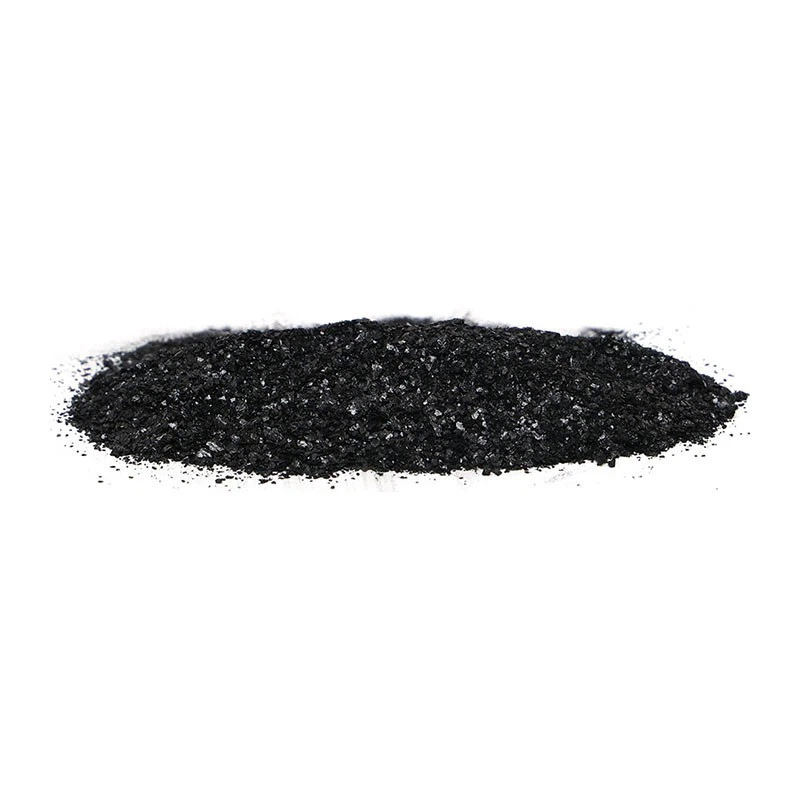

Humic acid fertilizers are rich in humic substances that can improve soil fertility. Testing the humic acid content and the degree of humification can help assess the quality. Some labs use colorimetric methods to measure the humic acid levels.
Conclusion
Testing the quality of organic fertilizer is a multi - step process that involves physical, chemical, microbiological, and contaminant testing. By doing these tests, you can ensure that you're using a high - quality product that will benefit your plants and soil.
If you're interested in purchasing high - quality organic fertilizers like Amino Acid Fertilizer, Fulvic Acid Fertilizer, or Humic Acid Fertilizer, feel free to reach out. I'm always happy to discuss your needs and provide you with the best products for your gardening or farming projects.
References
- Brady, N. C., & Weil, R. R. (2008). The nature and properties of soils. Pearson Prentice Hall.
- Stevenson, F. J. (1994). Humus chemistry: genesis, composition, reactions. Wiley.
- Paul, E. A., & Clark, F. E. (1996). Soil microbiology and biochemistry. Academic Press.


