

Is granular seaweed fertiliser suitable for acid - loving plants?
As a supplier of Granular Seaweed Fertiliser, I often receive inquiries about the suitability of our product for different types of plants, especially acid - loving plants. In this blog post, I'll delve into the details to answer the question: Is granular seaweed fertiliser suitable for acid - loving plants?
Understanding Acid - Loving Plants
Acid - loving plants, also known as ericaceous plants, thrive in soil with a pH level typically ranging from 4.5 to 6.0. Some well - known acid - loving plants include azaleas, rhododendrons, blueberries, and camellias. These plants have specific nutritional requirements and are adapted to acidic soil conditions. Their roots are sensitive to high pH levels, and in alkaline soil, they may struggle to absorb essential nutrients such as iron, manganese, and phosphorus.
The Composition of Granular Seaweed Fertiliser
Granular seaweed fertiliser is derived from seaweed, which is a rich source of various nutrients and bioactive compounds. Seaweed contains macro - nutrients like nitrogen (N), phosphorus (P), and potassium (K), which are essential for plant growth. Nitrogen promotes leafy growth, phosphorus is crucial for root development and flower formation, and potassium helps in overall plant health and stress tolerance.
In addition to these macro - nutrients, seaweed fertiliser is also abundant in micro - nutrients such as iron, zinc, copper, manganese, and boron. These micro - nutrients play vital roles in various physiological processes within the plant, including photosynthesis, enzyme activation, and hormone synthesis.
Moreover, seaweed contains growth - promoting substances like auxins, cytokinins, and gibberellins. These plant hormones regulate plant growth and development, enhance root growth, increase the number of lateral roots, and improve the overall vigor of the plant.
Impact on Soil pH
One of the key concerns when using any fertiliser on acid - loving plants is its impact on soil pH. Granular seaweed fertiliser generally has a neutral to slightly alkaline pH. However, the effect on soil pH is usually minimal and gradual. The organic matter in seaweed fertiliser can help buffer the soil, preventing rapid changes in pH.
When applied to the soil, the nutrients in the seaweed fertiliser are gradually released. The slow - release nature of granular seaweed fertiliser means that it doesn't cause a sudden spike in soil pH, which is beneficial for acid - loving plants. In fact, the organic matter in the fertiliser can improve soil structure and water - holding capacity, creating a more favorable environment for the roots of acid - loving plants.
Nutritional Benefits for Acid - Loving Plants
The nutrients present in granular seaweed fertiliser can provide significant benefits to acid - loving plants. For example, iron is a critical nutrient for acid - loving plants as it is involved in chlorophyll synthesis. A deficiency of iron can lead to yellowing of leaves (chlorosis) in these plants. The iron in seaweed fertiliser is in a form that is relatively easy for plants to absorb, even in acidic soil conditions.
Manganese is another important micro - nutrient for acid - loving plants. It plays a role in photosynthesis, enzyme activation, and the synthesis of chlorophyll. Seaweed fertiliser can supply an adequate amount of manganese to support the healthy growth of acid - loving plants.
The growth - promoting hormones in seaweed fertiliser can also have a positive impact on acid - loving plants. Auxins stimulate root growth, which is especially important for plants like azaleas and rhododendrons, which have shallow root systems. Cytokinins promote cell division and can enhance the overall growth and development of the plant.
Comparison with Other Seaweed Fertilisers
When considering seaweed - based fertilisers for acid - loving plants, it's worth comparing granular seaweed fertiliser with other forms such as Powdered Seaweed Fertilizer and Liquid Seaweed Extract Fertilizer.
Powdered seaweed fertiliser is easy to apply and can be mixed with the soil before planting. It has a similar nutrient composition to granular seaweed fertiliser but may release nutrients more quickly. Liquid seaweed extract fertiliser, on the other hand, can be applied as a foliar spray or soil drench. It provides a quick boost of nutrients and can be absorbed by the plant more rapidly.
However, granular seaweed fertiliser has the advantage of slow - release. This means that it provides a steady supply of nutrients over an extended period, reducing the risk of over - fertilization. For acid - loving plants, which are sensitive to sudden changes in nutrient levels, the slow - release nature of granular seaweed fertiliser can be particularly beneficial.
Application Guidelines for Acid - Loving Plants
When using granular seaweed fertiliser on acid - loving plants, it's important to follow the correct application guidelines. First, it's recommended to test the soil pH before applying the fertiliser. This will help you determine the current soil conditions and whether any adjustments are needed.
For established acid - loving plants, sprinkle the granular seaweed fertiliser around the base of the plant, keeping it at least a few inches away from the stem. Then, gently work the fertiliser into the top few inches of soil. Water the plant thoroughly after application to help the fertiliser dissolve and release its nutrients.
The frequency of application depends on the specific plant and its growth stage. Generally, applying granular seaweed fertiliser once or twice a year is sufficient for most acid - loving plants. However, during the active growing season, you may need to adjust the frequency based on the plant's growth and nutrient requirements.
Conclusion
In conclusion, granular seaweed fertiliser can be a suitable option for acid - loving plants. Its rich nutrient composition, including macro - and micro - nutrients, as well as growth - promoting hormones, can provide significant benefits to these plants. Although it has a neutral to slightly alkaline pH, its slow - release nature and the buffering effect of organic matter minimize the impact on soil pH.
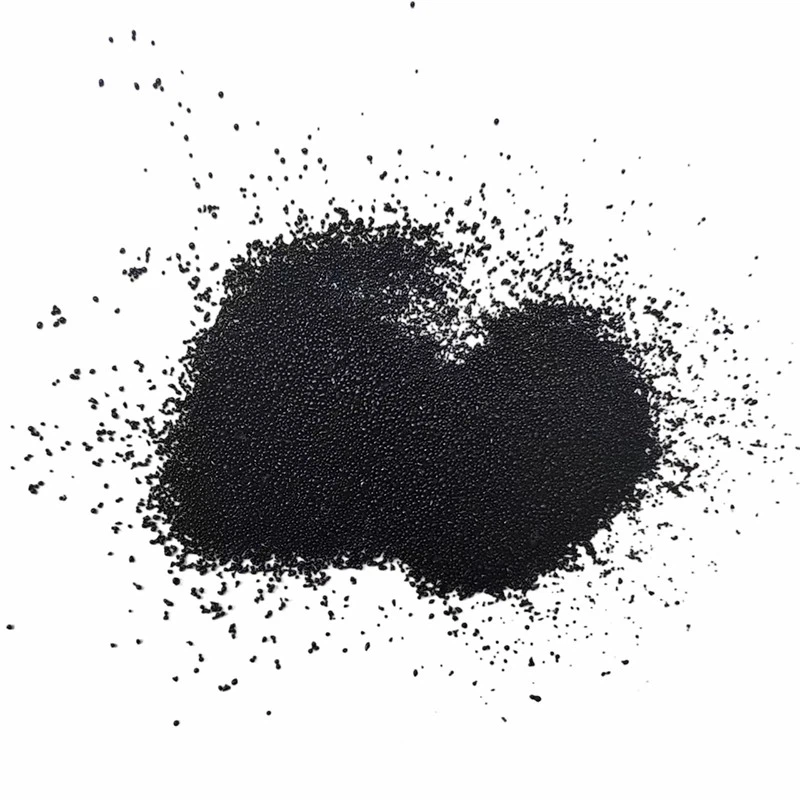

If you're interested in purchasing our high - quality Granular Seaweed Fertiliser for your acid - loving plants or have any further questions, feel free to reach out to us. We're always ready to assist you in making the right choice for your gardening needs.
References
- Chapman, V. J., & Chapman, D. J. (1980). Seaweeds and their uses. Chapman and Hall.
- Blunden, G. (1991). Seaweed in agriculture and horticulture. Journal of Applied Phycology, 3(3 - 4), 323 - 330.
- Craigie, J. S. (2011). Applications of seaweed extracts in agriculture and horticulture. Journal of Applied Phycology, 23(3), 371 - 393.


