

As a supplier of mineral fertilizers, I've witnessed firsthand the transformative impact these products can have on agricultural and horticultural practices. Mineral fertilizers are a cornerstone of modern farming, providing essential nutrients that support plant growth, enhance soil fertility, and boost crop yields. In this blog post, I'll delve into the numerous benefits of using mineral fertilizers and why they are a valuable investment for farmers and gardeners alike.
1. Nutrient Supply
One of the primary benefits of mineral fertilizers is their ability to supply essential nutrients to plants. Plants require a variety of nutrients to grow and thrive, including nitrogen (N), phosphorus (P), and potassium (K), often referred to as the "big three" macronutrients. Mineral fertilizers are formulated to provide these nutrients in a readily available form, ensuring that plants have access to the elements they need for healthy growth.
- Nitrogen (N): Nitrogen is a crucial component of amino acids, proteins, and chlorophyll, which are essential for plant growth and photosynthesis. Mineral fertilizers containing nitrogen, such as ammonium nitrate or urea, can help promote lush foliage growth, increase plant vigor, and improve overall crop quality.
- Phosphorus (P): Phosphorus plays a vital role in energy transfer, root development, and flowering and fruiting. Mineral fertilizers rich in phosphorus, like superphosphate or triple superphosphate, can enhance root growth, improve nutrient uptake, and increase crop yields, especially in phosphorus-deficient soils.
- Potassium (K): Potassium is involved in many physiological processes in plants, including water regulation, enzyme activation, and disease resistance. Mineral fertilizers containing potassium, such as potassium chloride or potassium sulfate, can help improve plant stress tolerance, enhance fruit quality, and increase crop yields.
In addition to the macronutrients, mineral fertilizers can also supply secondary nutrients (calcium, magnesium, and sulfur) and micronutrients (iron, manganese, zinc, copper, boron, molybdenum, and chlorine) that are essential for plant health in smaller quantities.
2. Soil Fertility Improvement
Mineral fertilizers can also help improve soil fertility by replenishing nutrient levels and enhancing soil structure. Over time, continuous cropping and intensive farming practices can deplete soil nutrients, leading to reduced soil fertility and lower crop yields. Mineral fertilizers can help reverse this trend by providing a consistent supply of nutrients to the soil, ensuring that it remains fertile and productive.

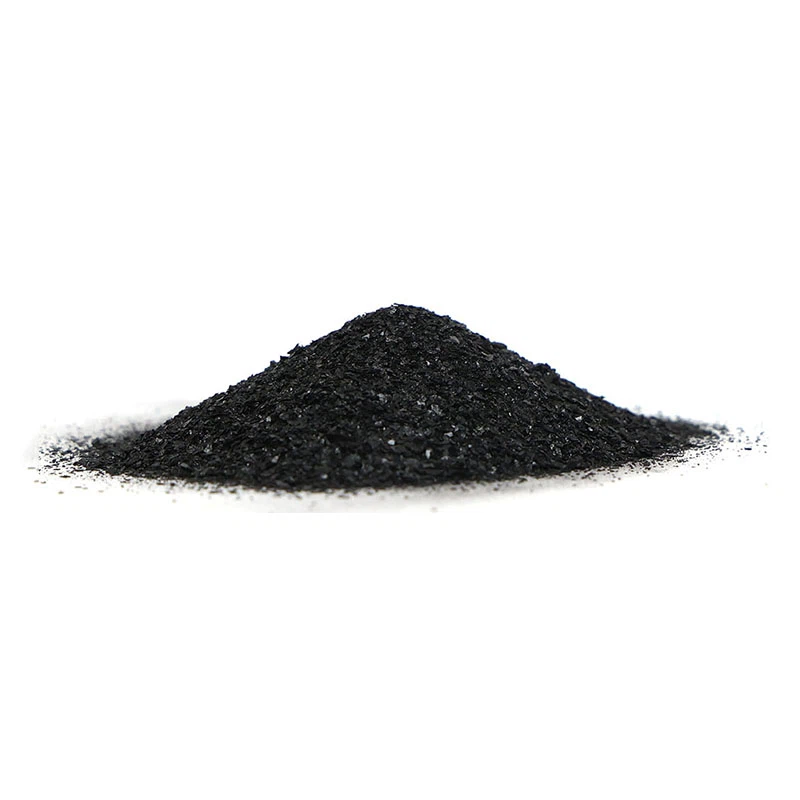
- Nutrient Replenishment: By adding essential nutrients to the soil, mineral fertilizers can help replace the nutrients that are removed by crops during growth and harvest. This helps maintain a balanced nutrient profile in the soil, preventing nutrient deficiencies and ensuring that plants have access to the nutrients they need for optimal growth.
- Soil Structure Enhancement: Some mineral fertilizers, such as lime and gypsum, can help improve soil structure by reducing soil acidity, increasing soil aggregation, and improving water infiltration and drainage. This can lead to better root growth, improved nutrient uptake, and increased crop yields.
3. Increased Crop Yields
One of the most significant benefits of using mineral fertilizers is their ability to increase crop yields. By providing essential nutrients to plants, mineral fertilizers can help promote healthy growth, improve plant vigor, and enhance crop quality, resulting in higher yields and better economic returns for farmers.
- Improved Plant Growth: Mineral fertilizers can provide plants with the nutrients they need to grow and develop properly, resulting in larger, healthier plants with more extensive root systems. This can lead to increased photosynthesis, improved nutrient uptake, and better overall plant performance, ultimately translating into higher crop yields.
- Enhanced Crop Quality: In addition to increasing yields, mineral fertilizers can also improve the quality of crops by enhancing their nutritional value, flavor, and appearance. For example, fertilizers containing potassium can help improve the taste and texture of fruits and vegetables, while fertilizers containing micronutrients can help increase the vitamin and mineral content of crops.
4. Precision Nutrient Management
Another advantage of using mineral fertilizers is the ability to practice precision nutrient management. Unlike organic fertilizers, which can vary in nutrient content and release rate, mineral fertilizers can be formulated to provide specific nutrients in precise amounts, allowing farmers to tailor their fertilization programs to the specific needs of their crops and soils.
- Customized Fertilization Programs: By conducting soil tests and analyzing plant tissue samples, farmers can determine the nutrient requirements of their crops and soils and develop customized fertilization programs that meet these needs. This can help ensure that plants receive the right amount of nutrients at the right time, maximizing nutrient uptake and minimizing nutrient losses.
- Reduced Environmental Impact: Precision nutrient management can also help reduce the environmental impact of fertilization by minimizing the amount of nutrients that are lost to the environment through leaching, runoff, and volatilization. This can help protect water quality, reduce greenhouse gas emissions, and promote sustainable agriculture.
5. Availability and Convenience
Mineral fertilizers are widely available and easy to use, making them a convenient option for farmers and gardeners. They can be purchased from a variety of sources, including agricultural supply stores, garden centers, and online retailers, and are available in a range of formulations and packaging sizes to suit different needs and budgets.
- Easy Application: Mineral fertilizers are typically easy to apply, either by broadcasting them over the soil surface or by injecting them into the soil using specialized equipment. They can also be applied in combination with other agricultural inputs, such as pesticides and herbicides, to save time and labor.
- Long Shelf Life: Mineral fertilizers have a long shelf life, which means they can be stored for extended periods without losing their effectiveness. This makes them a convenient option for farmers and gardeners who want to stock up on fertilizers in advance and use them as needed.
Specific Types of Mineral Fertilizers
There are several types of mineral fertilizers available on the market, each with its own unique composition and benefits. Here are some of the most common types of mineral fertilizers:
- Potassium Fulvate Fertilizer: Potassium fulvate is a natural organic compound that is rich in potassium and other essential nutrients. It can help improve soil fertility, enhance plant growth, and increase crop yields. Potassium fulvate fertilizer is also known for its ability to improve soil structure, increase water retention, and reduce soil erosion.
- Potassium Humate Fertilizer: Potassium humate is another natural organic compound that is derived from humic substances. It can help improve soil fertility, enhance plant growth, and increase crop yields. Potassium humate fertilizer is also known for its ability to chelate nutrients, making them more available to plants, and to stimulate root growth and development.
- Sodium Humate Fertilizer: Sodium humate is a water-soluble salt that is derived from humic substances. It can help improve soil fertility, enhance plant growth, and increase crop yields. Sodium humate fertilizer is also known for its ability to improve soil structure, increase water retention, and reduce soil erosion.
Conclusion
In conclusion, the benefits of using mineral fertilizers are numerous and significant. From providing essential nutrients to plants and improving soil fertility to increasing crop yields and promoting precision nutrient management, mineral fertilizers play a crucial role in modern agriculture and horticulture. As a supplier of mineral fertilizers, I'm committed to providing high-quality products that meet the needs of farmers and gardeners and help them achieve their agricultural goals.
If you're interested in learning more about our mineral fertilizers or would like to discuss your specific fertilization needs, please don't hesitate to contact us. We'd be happy to provide you with more information and help you find the right fertilizer solutions for your crops and soils.
References
- Brady, N. C., & Weil, R. R. (2008). The nature and properties of soils. Pearson Prentice Hall.
- Havlin, J. L., Beaton, J. D., Tisdale, S. L., & Nelson, W. L. (2005). Soil fertility and fertilizers: An introduction to nutrient management. Pearson Prentice Hall.
- Mengel, K., & Kirkby, E. A. (2001). Principles of plant nutrition. Kluwer Academic Publishers.


