

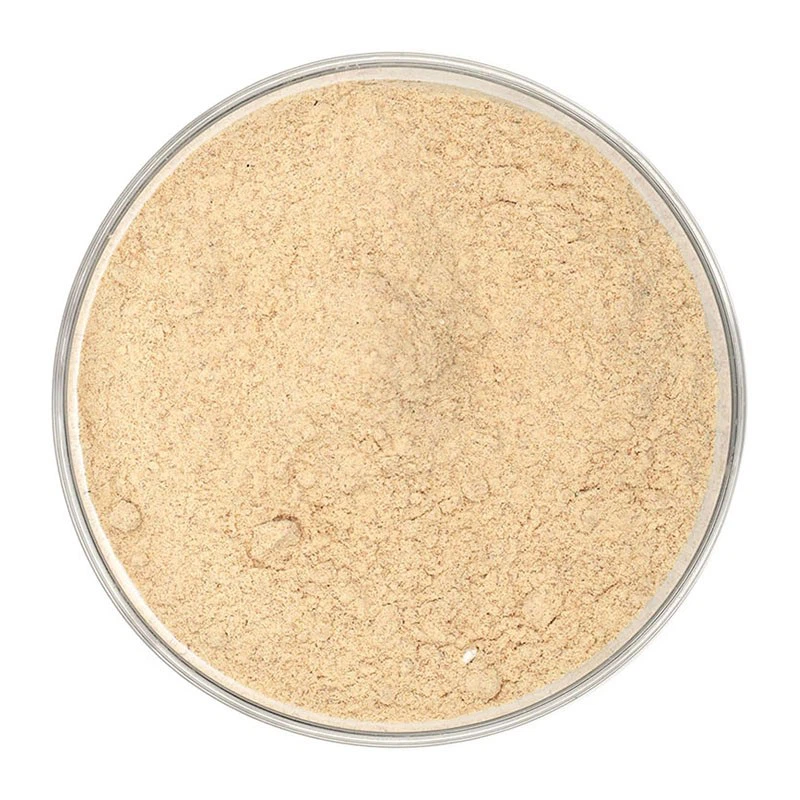
As a supplier of fish protein fertilizer, I've witnessed firsthand the growing popularity of this organic alternative in the agricultural and gardening sectors. Fish protein fertilizers, such as Fish Protein Powder Fertilizer, Hydrolyzed Fish Emulsion, and Fish Protein Liquid Fertilizer, offer numerous benefits, including rich nutrient content, improved soil structure, and enhanced plant growth. However, like any agricultural input, over - using fish protein fertilizer can pose potential risks that farmers, gardeners, and growers need to be aware of.
1. Nutrient Imbalance
One of the primary risks associated with over - using fish protein fertilizer is the creation of a nutrient imbalance in the soil. Fish protein fertilizers are typically high in nitrogen, phosphorus, and potassium (NPK), along with other essential micronutrients such as calcium, magnesium, and sulfur. While these nutrients are crucial for plant growth, an excessive supply can disrupt the delicate balance of nutrients in the soil.
For instance, an overabundance of nitrogen can lead to rapid vegetative growth at the expense of fruit and flower production. Plants may become overly lush and succulent, making them more susceptible to pests and diseases. Moreover, high nitrogen levels can also leach into groundwater, causing water pollution and potentially harming aquatic ecosystems.
Excessive phosphorus can also be problematic. In soil, it can bind with other elements such as iron and aluminum, forming insoluble compounds that are unavailable to plants. This can lead to a decrease in the availability of other essential nutrients, further exacerbating the nutrient imbalance. Additionally, when phosphorus enters water bodies through runoff, it can contribute to eutrophication, a process in which excessive nutrients cause algal blooms and oxygen depletion, harming fish and other aquatic life.
2. Salt Accumulation
Fish protein fertilizers, especially in concentrated forms, can contain relatively high levels of salts. Over - application of these fertilizers can lead to salt accumulation in the soil over time. High salt concentrations in the soil can have several detrimental effects on plants.
Firstly, salt can reduce the water - holding capacity of the soil, making it more difficult for plants to take up water. This can result in water stress, even when soil moisture levels appear to be adequate. Plants may show symptoms such as wilting, stunted growth, and yellowing of leaves.
Secondly, salts can interfere with the uptake of essential nutrients by plants. They can compete with nutrients for binding sites on plant roots, preventing their absorption. This can lead to nutrient deficiencies, even in the presence of sufficient nutrient levels in the soil.
In addition, salt - affected soils can have a negative impact on soil structure. High salt concentrations can cause soil particles to disperse, leading to poor soil aggregation and reduced porosity. This can impede root growth and aeration, further compromising plant health.
3. Environmental Pollution
Over - using fish protein fertilizer can also contribute to environmental pollution. As mentioned earlier, the leaching of excess nutrients, particularly nitrogen and phosphorus, into groundwater and surface water can cause water pollution. This can have far - reaching consequences for both human health and the environment.
In addition to nutrient pollution, the production and use of fish protein fertilizers can also generate other environmental impacts. The manufacturing process of these fertilizers may involve energy consumption and the release of greenhouse gases. If not properly managed, the disposal of fish waste used in fertilizer production can also contribute to air and water pollution.
Furthermore, the over - harvesting of fish for fertilizer production can have a significant impact on marine ecosystems. Unsustainable fishing practices can deplete fish populations, disrupt food chains, and damage habitats. This can have cascading effects on the entire ecosystem, affecting not only fish but also other marine organisms and the livelihoods of those dependent on fishing.
4. Soil Microbial Imbalance
Soil is home to a diverse community of microorganisms, including bacteria, fungi, and protozoa, which play a crucial role in maintaining soil health and fertility. These microorganisms are involved in processes such as nutrient cycling, organic matter decomposition, and disease suppression.
Over - using fish protein fertilizer can disrupt the balance of soil microorganisms. The high nutrient levels in these fertilizers can favor the growth of certain types of microorganisms at the expense of others. For example, an excessive supply of nitrogen can stimulate the growth of fast - growing bacteria, which may outcompete other beneficial microorganisms such as mycorrhizal fungi.

Mycorrhizal fungi form symbiotic relationships with plant roots, helping plants to absorb nutrients and water more efficiently. A reduction in the population of these fungi can lead to a decrease in plant nutrient uptake and overall plant health. Moreover, the disruption of the soil microbial community can also affect the decomposition of organic matter in the soil, leading to a build - up of organic residues and a decrease in soil fertility over time.
5. Pest and Disease Susceptibility
As mentioned earlier, over - fertilization with fish protein fertilizers can make plants more susceptible to pests and diseases. The lush and succulent growth caused by excessive nitrogen can attract a variety of pests, such as aphids, whiteflies, and caterpillars. These pests are attracted to the tender, new growth and can cause significant damage to plants.
In addition, the weakened immune system of plants due to nutrient imbalances and stress can make them more vulnerable to diseases. Fungal and bacterial pathogens can easily infect plants that are already under stress, leading to the development of diseases such as root rot, leaf spot, and powdery mildew.
Controlling pests and diseases in over - fertilized plants can be more challenging. The use of pesticides and fungicides may be required, which can have additional environmental and health impacts. Moreover, the effectiveness of these chemical controls may be reduced in plants that are already weakened by over - fertilization.
Mitigating the Risks
While the potential risks of over - using fish protein fertilizer are significant, they can be mitigated through proper application and management practices. Here are some recommendations:
- Soil Testing: Regular soil testing is essential to determine the nutrient status of the soil and the appropriate fertilizer application rates. By understanding the existing nutrient levels in the soil, growers can avoid over - application and ensure that fertilizers are applied in a targeted manner.
- Follow Recommended Application Rates: Always follow the manufacturer's recommended application rates for fish protein fertilizers. These rates are based on extensive research and are designed to provide the optimal amount of nutrients for plant growth without causing harm to the soil or the environment.
- Use in Combination with Other Fertilizers: To avoid nutrient imbalances, consider using fish protein fertilizers in combination with other organic and inorganic fertilizers. This can help to provide a more balanced supply of nutrients to the soil and plants.
- Proper Irrigation: Adequate irrigation is crucial to prevent salt accumulation in the soil. Watering deeply and infrequently can help to leach salts below the root zone. However, be careful not to over - irrigate, as this can also lead to nutrient leaching.
- Crop Rotation and Cover Cropping: Implementing crop rotation and cover cropping practices can help to improve soil health and reduce the risk of nutrient imbalances. Different crops have different nutrient requirements, and rotating crops can help to maintain a more balanced nutrient profile in the soil. Cover crops can also help to prevent soil erosion, improve soil structure, and add organic matter to the soil.
Conclusion
As a supplier of fish protein fertilizers, I am committed to promoting the responsible use of these products. While fish protein fertilizers offer many benefits for plant growth and soil health, it is essential to be aware of the potential risks associated with over - use. By understanding these risks and implementing proper management practices, farmers, gardeners, and growers can maximize the benefits of fish protein fertilizers while minimizing their negative impacts on the environment and plant health.
If you are interested in learning more about our fish protein fertilizers or have any questions regarding their proper use, please feel free to contact us for a procurement discussion. We are here to provide you with the best solutions for your agricultural and gardening needs.
References
- Brady, N. C., & Weil, R. R. (2002). The nature and properties of soils. Prentice Hall.
- Havlin, J. L., Beaton, J. D., Tisdale, S. L., & Nelson, W. L. (2005). Soil fertility and fertilizer: An introduction to nutrient management. Pearson Prentice Hall.
- Magdoff, F., & van Es, H. (2009). Building soils for better crops: Sustainable soil management. Sustainable Agriculture Research and Education.


