

Hey there! As a supplier of Humic Acid Fertilizer, I've been getting a lot of questions lately about the application frequency of this amazing product. So, I thought I'd take a few minutes to share some insights and help you understand how often you should be using humic acid fertilizer in your fields or gardens.
First off, let's talk a bit about what humic acid fertilizer is. Humic acid is a natural organic substance that's derived from decomposed plant and animal matter. It's rich in essential nutrients and trace elements that are vital for plant growth. When you use humic acid fertilizer, you're essentially giving your plants a nutrient boost, improving soil structure, and enhancing water retention.
Now, the application frequency of humic acid fertilizer can vary depending on several factors. One of the most important factors is the type of soil you have. If you have sandy soil, which tends to drain quickly and doesn't hold nutrients well, you might need to apply humic acid fertilizer more frequently. Sandy soil lacks the organic matter that helps retain nutrients, so the humic acid can help bind the nutrients to the soil particles and prevent them from leaching away. In this case, you could consider applying humic acid fertilizer every 4 - 6 weeks during the growing season.
On the other hand, if you have clay soil, which has a high capacity to hold nutrients but can be poorly drained, you might not need to apply it as often. Clay soil already has a good ability to retain nutrients, but the humic acid can still improve its structure, making it more porous and allowing better root penetration. For clay soil, applying humic acid fertilizer every 8 - 10 weeks during the growing season should be sufficient.
Another factor that affects the application frequency is the type of plants you're growing. Different plants have different nutrient requirements. For example, heavy - feeding plants like tomatoes, corn, and peppers need more nutrients to produce a good yield. These plants can benefit from a more frequent application of humic acid fertilizer. You could apply it every 3 - 5 weeks during the active growth period.
On the contrary, some low - maintenance plants like herbs or certain types of groundcovers don't need as many nutrients. For these plants, applying humic acid fertilizer every 10 - 12 weeks should be enough to keep them healthy and thriving.
The stage of plant growth also plays a role. During the early stages of growth, when the plants are establishing their root systems, a regular application of humic acid fertilizer can be very beneficial. It helps the roots grow stronger and more extensive, which in turn allows the plants to take up nutrients more efficiently. You can start applying humic acid fertilizer at the time of planting and then continue with the appropriate frequency based on the soil type and plant type.
As the plants enter the flowering and fruiting stage, they have increased nutrient demands. At this point, you might want to increase the application frequency slightly. For heavy - fruiting plants, you could apply humic acid fertilizer every 4 - 6 weeks during this critical stage to ensure they have enough nutrients to produce high - quality fruits.
Now, let's talk about the different forms of humic acid fertilizer. There are liquid and granular forms available. Liquid humic acid fertilizer is usually easier to apply and can be quickly absorbed by the plants. It's great for foliar application, where you spray it directly on the leaves. When using liquid humic acid fertilizer, you can apply it more frequently, perhaps every 2 - 3 weeks, especially if you're using it as a foliar spray. This allows the plants to get a quick boost of nutrients.
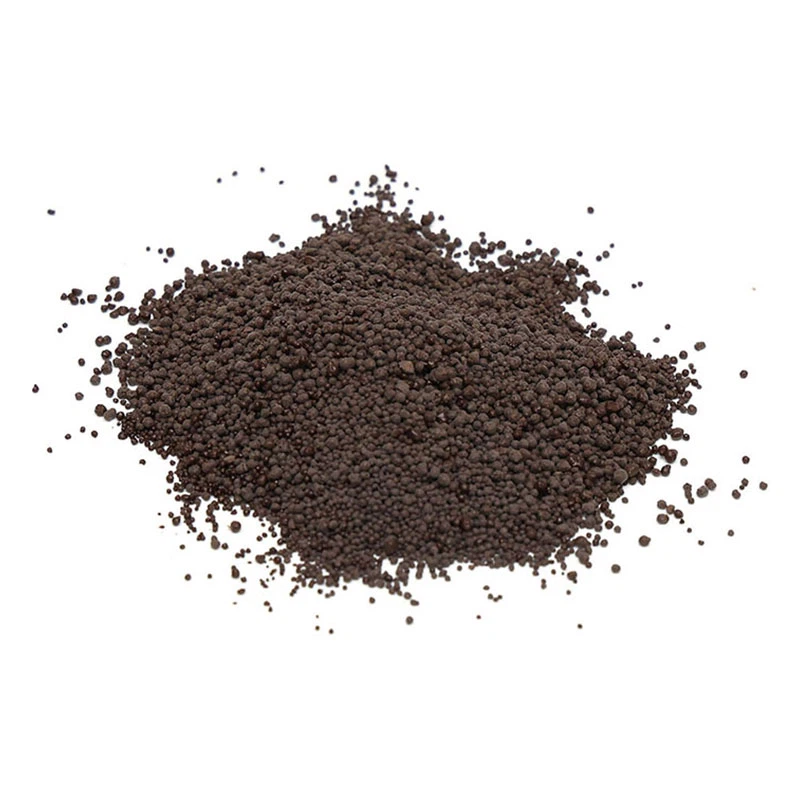
Granular humic acid fertilizer, on the other hand, is more long - lasting. It slowly releases nutrients into the soil over time. You can apply granular humic acid fertilizer less frequently, maybe every 8 - 12 weeks, depending on the factors we've discussed earlier.

It's also important to note that you can combine humic acid fertilizer with other types of fertilizers. For instance, you can use it in conjunction with Fulvic Acid Fertilizer or Amino Acid Fertilizer. Fulvic acid is a smaller molecule than humic acid and can penetrate plant cells more easily, providing a quick nutrient boost. Amino acid fertilizer, on the other hand, provides essential amino acids that are important for plant growth and development. When you combine these fertilizers, you can adjust the application frequency based on the overall nutrient needs of your plants.
In addition to the factors we've discussed, environmental conditions can also impact the application frequency. In areas with heavy rainfall, nutrients can be washed away more quickly, so you might need to apply humic acid fertilizer more often. In dry regions, the nutrients in the soil can become concentrated, and the plants might not need as much additional fertilizer. However, the humic acid can still help improve water retention in the soil, so you might still want to apply it at a regular interval.
To sum it up, there's no one - size - fits - all answer to the question of how often to apply humic acid fertilizer. You need to consider the soil type, plant type, stage of plant growth, form of the fertilizer, and environmental conditions. By carefully assessing these factors, you can determine the optimal application frequency for your specific situation.
If you're still unsure about the application frequency or have any other questions about Humic Acid Fertilizer, don't hesitate to reach out. We're here to help you make the most of this great product and ensure that your plants grow healthy and strong. Whether you're a large - scale farmer or a home gardener, we can provide you with the right advice and high - quality humic acid fertilizer. So, if you're interested in purchasing our humic acid fertilizer or want to discuss your specific needs, just get in touch, and we'll be happy to have a chat and help you with your procurement.
References
- Brady, N. C., & Weil, R. R. (2008). The Nature and Properties of Soils. Pearson Prentice Hall.
- Marschner, H. (2012). Mineral Nutrition of Higher Plants. Academic Press.


