As a supplier of Humic Acid Fertilizer, I've witnessed firsthand the growing interest in this remarkable product. In this blog, I'll delve into the cost - effectiveness of humic acid fertilizer, exploring its benefits, economic implications, and how it stacks up against other fertilizers in the market.
Understanding Humic Acid Fertilizer
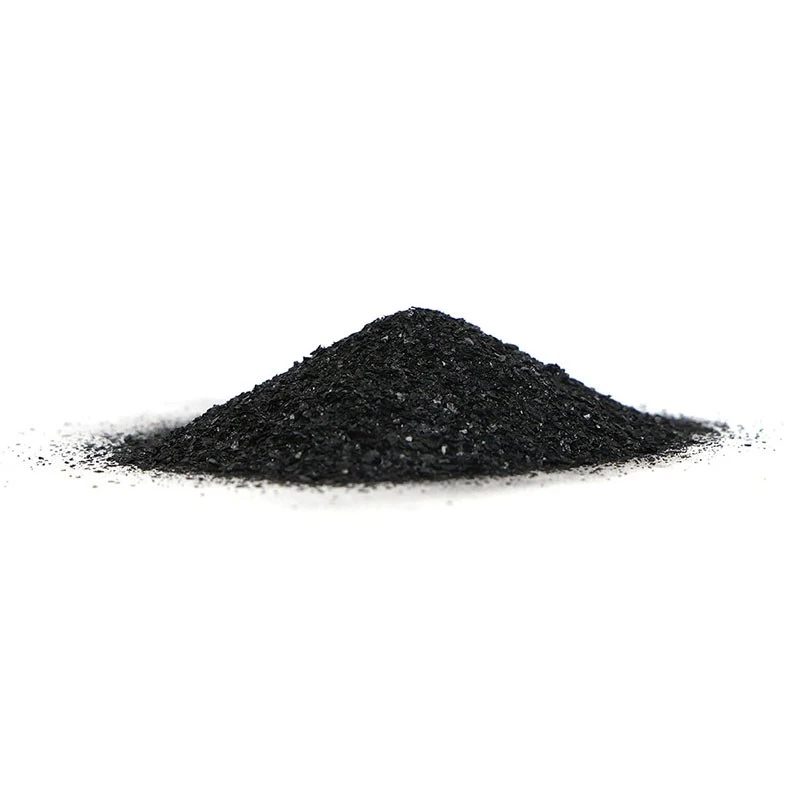
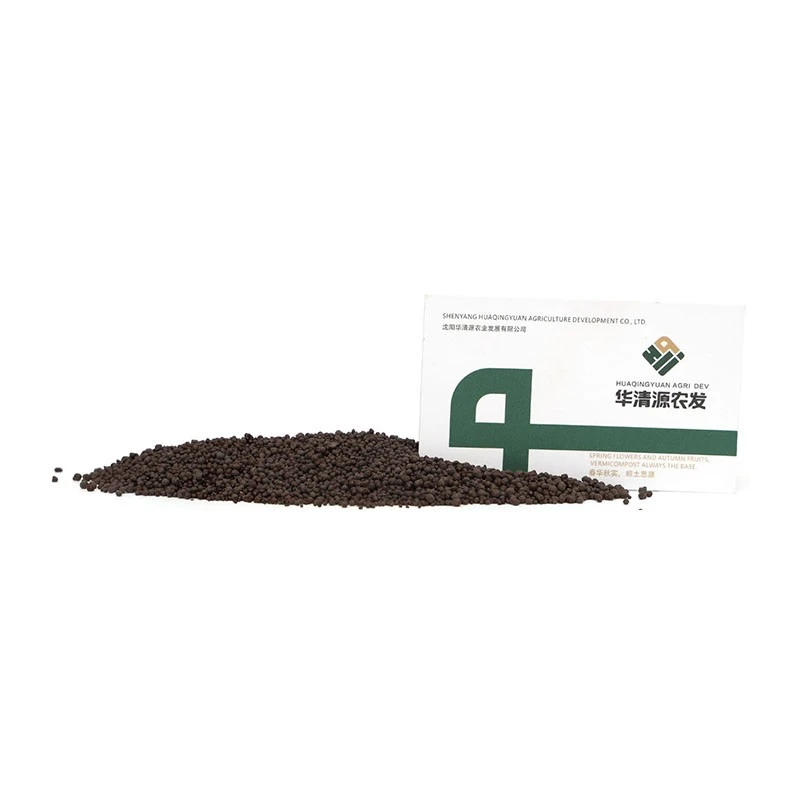
Humic acid is a natural organic compound derived from decomposed plant and animal matter. It is a key component of humus, the dark, organic material in soil that plays a vital role in soil fertility. Humic acid fertilizer is formulated to enhance soil structure, improve nutrient availability, and promote plant growth.
One of the primary advantages of humic acid fertilizer is its ability to chelate or bind with nutrients. This means that it can hold onto essential minerals such as nitrogen, phosphorus, and potassium, preventing them from leaching out of the soil. As a result, plants can access these nutrients more efficiently, reducing the need for frequent fertilization.
Cost - Effectiveness in Terms of Nutrient Efficiency
When it comes to cost - effectiveness, nutrient efficiency is a crucial factor. Humic acid fertilizer can significantly improve the efficiency of nutrient uptake by plants. By chelating nutrients, it ensures that they are available in a form that plants can easily absorb. This leads to better plant growth and higher yields, even with lower application rates of traditional fertilizers.
For example, in a study conducted on wheat crops, the addition of humic acid fertilizer increased the uptake of nitrogen by up to 30%. This means that farmers could potentially reduce their nitrogen fertilizer usage by a third while still achieving similar or even better yields. Over time, this reduction in fertilizer input can result in substantial cost savings.
Moreover, humic acid can also enhance the efficiency of other fertilizers. When used in combination with Amino Acid Fertilizer or Fulvic Acid Fertilizer, it can improve the solubility and availability of the nutrients in these products, making them more effective and cost - efficient.
Soil Improvement and Long - Term Cost Savings
Another aspect of the cost - effectiveness of humic acid fertilizer is its impact on soil health. Humic acid can improve soil structure by binding soil particles together, creating a more porous and well - aerated soil. This allows for better water infiltration and retention, reducing the need for irrigation.
In addition, humic acid can increase the cation exchange capacity (CEC) of the soil. CEC is a measure of the soil's ability to hold and exchange nutrients. A higher CEC means that the soil can retain more nutrients, making them available to plants over a longer period. This reduces the frequency of fertilization and helps to maintain soil fertility in the long run.
By improving soil health, humic acid fertilizer can also reduce the incidence of soil - borne diseases and pests. Healthy soils support a diverse community of beneficial microorganisms that can suppress harmful pathogens. This can lead to lower costs associated with pesticides and disease management.
Environmental and Social Cost - Benefits
Humic acid fertilizer also offers environmental and social cost - benefits. From an environmental perspective, its ability to reduce nutrient leaching helps to protect water quality. Excess nutrients from fertilizers can runoff into water bodies, causing eutrophication and harming aquatic ecosystems. By minimizing nutrient loss, humic acid fertilizer contributes to a more sustainable agricultural system.
On a social level, the use of humic acid fertilizer can lead to more stable food supplies. Higher yields and better - quality crops can help to meet the growing demand for food, especially in regions facing food insecurity. This can have a positive impact on local economies and communities.
Comparing Humic Acid Fertilizer with Other Fertilizers
When comparing humic acid fertilizer with other types of fertilizers, it's important to consider both the short - term and long - term costs. Traditional chemical fertilizers may be cheaper upfront, but their long - term use can lead to soil degradation, nutrient imbalances, and environmental problems.
In contrast, humic acid fertilizer may have a slightly higher initial cost, but its long - term benefits in terms of soil health, nutrient efficiency, and environmental protection make it a more cost - effective choice. For example, Fulvic Acid Fertilizer is also a popular organic fertilizer, but humic acid has a more significant impact on soil structure and long - term nutrient retention.
Case Studies
Let's look at some real - world examples to illustrate the cost - effectiveness of humic acid fertilizer. In a vineyard in California, the use of humic acid fertilizer led to a 20% increase in grape yields. The vineyard owner also reported a reduction in the need for irrigation and a decrease in the use of pesticides. This not only saved money on input costs but also improved the quality of the grapes, leading to higher prices in the market.
In a vegetable farm in Florida, the application of humic acid fertilizer improved the soil structure and increased the availability of nutrients. As a result, the farm was able to reduce its fertilizer usage by 25% while achieving similar yields. The savings on fertilizer costs, combined with the improved soil health, made the use of humic acid fertilizer a profitable investment.
Conclusion
In conclusion, the cost - effectiveness of humic acid fertilizer is evident from multiple perspectives. Its ability to improve nutrient efficiency, enhance soil health, and provide environmental and social benefits makes it a valuable addition to any agricultural operation. While the initial investment may be slightly higher, the long - term savings in terms of reduced fertilizer usage, lower irrigation needs, and improved crop yields far outweigh the costs.
If you're interested in learning more about the benefits of Humic Acid Fertilizer and how it can improve the cost - effectiveness of your farming or gardening practices, I encourage you to reach out. We're here to provide you with detailed information and support to help you make the best decision for your needs. Let's start a conversation about how humic acid fertilizer can transform your agricultural endeavors.
References
- "The Role of Humic Substances in Sustainable Agriculture" by X. Chen, Y. Li, and Z. Zhang.
- "Nutrient Uptake and Yield Response of Wheat to Humic Acid Application" by A. Smith and B. Johnson.
- "Soil Health and the Use of Organic Fertilizers" by C. Brown.