

In the realm of agriculture, the choice of fertilizers plays a pivotal role in determining the health and productivity of crops. Among the various types of fertilizers available, bio organic fertilizers and compost are two popular options that are often compared. As a Bio Organic Fertilizer supplier, I am frequently asked about the differences between these two, and in this blog post, I aim to shed light on this topic.
Composition and Production
Let's start by looking at the composition and production processes of bio organic fertilizers and compost.
Bio Organic Fertilizers
Bio organic fertilizers are formulated by combining organic materials with beneficial microorganisms. The organic materials can include animal manure, crop residues, and other organic by - products. These materials are first decomposed to a certain extent, and then specific strains of beneficial bacteria, fungi, or other microorganisms are added.
For example, our company offers Customized Organic Fertilizer, which can be tailored to meet the specific needs of different crops and soil conditions. The production of bio organic fertilizers is a highly controlled process. The organic matter is carefully selected and processed to ensure a suitable carbon - to - nitrogen ratio. The addition of microorganisms is also precisely regulated, as different microorganisms have different functions. Some microorganisms can fix nitrogen, making it more available to plants; others can break down complex organic compounds into simpler forms that plants can absorb more easily.
Compost
Compost is a natural product of the decomposition of organic matter by microorganisms in the environment. It is usually made from a mixture of materials such as leaves, grass clippings, food scraps, and manure. The decomposition process occurs in a less - controlled environment, often in a compost pile or bin.
The key to successful composting is to create the right conditions for microorganisms to thrive. This includes maintaining an appropriate balance of carbon - rich (browns) and nitrogen - rich (greens) materials, providing adequate moisture, and ensuring good aeration. Compost production is a more natural and less - technical process compared to bio organic fertilizer production. It is a slow process that can take several months to a year, depending on the materials used and the environmental conditions.
Nutrient Content
Another important aspect to consider when comparing bio organic fertilizers and compost is their nutrient content.
Bio Organic Fertilizers
Bio organic fertilizers are designed to provide a more concentrated and balanced supply of nutrients to plants. They often contain a higher percentage of essential nutrients such as nitrogen (N), phosphorus (P), and potassium (K), as well as other micronutrients like calcium, magnesium, and iron.
For instance, our Amino Acid Organic Fertilizer Granule 12 - 0 - 1 has a specific nutrient ratio that is beneficial for plant growth. The microorganisms in bio organic fertilizers also play a crucial role in nutrient availability. They can solubilize nutrients in the soil, making them more accessible to plants. This means that plants can absorb nutrients more efficiently, leading to better growth and higher yields.
Compost
Compost, on the other hand, has a more variable nutrient content. The nutrient levels in compost depend on the materials used in its production. Generally, compost has lower concentrations of N, P, and K compared to bio organic fertilizers. However, it is rich in organic matter, which improves soil structure, water - holding capacity, and nutrient - retention ability.
Compost slowly releases nutrients over time as it continues to decompose in the soil. This slow - release characteristic can be an advantage in some cases, as it provides a steady supply of nutrients to plants throughout the growing season. But for crops with high nutrient demands, compost alone may not be sufficient to meet their needs.
Microbial Activity
Microbial activity is a significant factor that differentiates bio organic fertilizers from compost.
Bio Organic Fertilizers
Bio organic fertilizers are inoculated with specific beneficial microorganisms. These microorganisms can form symbiotic relationships with plant roots, such as mycorrhizal fungi, which help plants absorb water and nutrients more effectively. They can also suppress the growth of harmful pathogens in the soil, reducing the incidence of plant diseases.
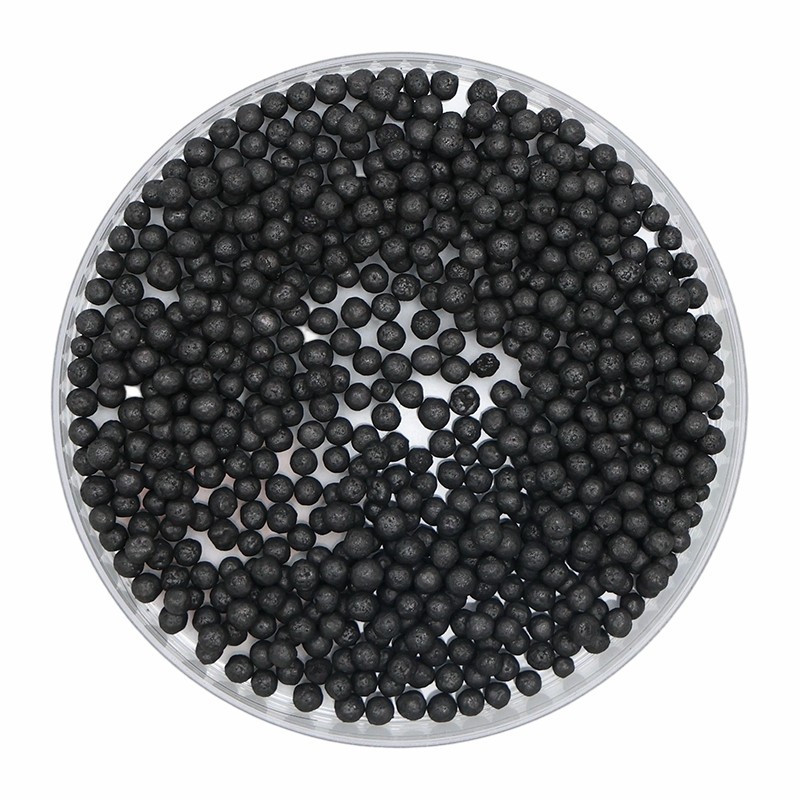
For example, our Yeast Metabolite Granular Fertilizer contains active yeast metabolites and beneficial bacteria. These microorganisms can enhance soil fertility by promoting the decomposition of organic matter and the cycling of nutrients. They also secrete substances that stimulate plant growth and improve plant resistance to stress.

Compost
Compost also contains a diverse community of microorganisms, but the types and numbers of microorganisms are more dependent on the initial materials and the composting environment. While compost can introduce beneficial microorganisms to the soil, the microbial population may not be as well - defined or as concentrated as in bio organic fertilizers.
The microorganisms in compost mainly contribute to the further decomposition of organic matter in the soil, improving soil structure and fertility. However, they may not have the same targeted effects on plant growth and disease suppression as the specific microorganisms in bio organic fertilizers.
Application and Effectiveness
The application methods and effectiveness of bio organic fertilizers and compost also vary.
Bio Organic Fertilizers
Bio organic fertilizers are usually more convenient to apply. They are often available in granular or liquid forms, which can be easily spread or sprayed on the soil. They can be used for both large - scale agricultural production and small - scale gardening.
Due to their concentrated nutrient content and the presence of beneficial microorganisms, bio organic fertilizers can have a more immediate impact on plant growth. They can promote rapid seed germination, strong root development, and lush foliage. In addition, they can improve the quality of crops, such as increasing the sugar content in fruits and the protein content in grains.
Compost
Compost is typically applied as a soil amendment. It is usually spread over the soil surface and then incorporated into the soil. Compost is more suitable for long - term soil improvement. It helps to build up soil organic matter over time, which is essential for sustainable agriculture.
While compost may not show immediate results in terms of plant growth, its long - term benefits are significant. It can improve soil health, reduce soil erosion, and enhance the overall resilience of the ecosystem. Compost is also an environmentally friendly option, as it recycles organic waste and reduces the need for synthetic fertilizers.
Conclusion
In conclusion, bio organic fertilizers and compost have their own unique characteristics. Bio organic fertilizers offer a concentrated and balanced supply of nutrients, along with the benefits of specific beneficial microorganisms. They are suitable for meeting the immediate nutrient needs of plants and can have a quick impact on crop growth and quality. Compost, on the other hand, is a natural soil conditioner that enriches the soil with organic matter and a diverse community of microorganisms. It is ideal for long - term soil improvement and sustainable agriculture.
As a Bio Organic Fertilizer supplier, we understand the importance of choosing the right fertilizer for different agricultural needs. Whether you are looking for a quick - acting fertilizer to boost your crop yields or a long - term soil improvement solution, we can provide you with high - quality products. If you are interested in our products or have any questions about bio organic fertilizers, please feel free to contact us for procurement and further discussion.
References
- Brady, N. C., & Weil, R. R. (2008). The Nature and Properties of Soils. Pearson Prentice Hall.
- Compost Science and Technology. (2013). CRC Press.
- Microbial Ecology in Agroecosystems. (2010). Springer.


