

As a bio organic fertilizer supplier, I've witnessed firsthand the transformative impact of our products on various crops, especially wheat. In this blog, I'll delve into the effects of bio organic fertilizer on wheat growth, exploring the science behind it and sharing real - world benefits.
The Science of Bio Organic Fertilizer
Bio organic fertilizers are a blend of organic matter and beneficial microorganisms. These fertilizers work in harmony with the soil ecosystem, enhancing its fertility and structure. The organic matter in bio organic fertilizers, such as decomposed plant residues and animal manure, provides a slow - release source of essential nutrients like nitrogen, phosphorus, and potassium. At the same time, the beneficial microorganisms, including bacteria and fungi, play a crucial role in nutrient cycling.
For instance, some bacteria can fix atmospheric nitrogen, converting it into a form that wheat plants can readily absorb. Mycorrhizal fungi form symbiotic relationships with wheat roots, extending the root system's reach and improving the plant's ability to uptake water and nutrients. This combination of organic matter and microorganisms creates a fertile environment for wheat growth.
Effects on Wheat Germination
The initial stage of wheat growth, germination, is critical for a successful crop. Bio organic fertilizers can significantly enhance the germination rate of wheat seeds. The organic matter in the fertilizer retains moisture in the soil, creating a more stable environment for seed imbibition. The slow - release nutrients also provide a gentle boost to the emerging seedlings, giving them a strong start.
In addition, the beneficial microorganisms in bio organic fertilizers can protect the seeds from soil - borne pathogens. They secrete antibiotics and other bioactive compounds that inhibit the growth of harmful fungi and bacteria, reducing the risk of seed rot and damping - off diseases. This means that more wheat seeds will successfully germinate and develop into healthy seedlings.
Impact on Root Development
Healthy root development is essential for wheat plants to access water and nutrients from the soil. Bio organic fertilizers promote robust root growth in several ways. The organic matter improves soil structure, creating larger pore spaces that allow roots to penetrate more easily. This results in a more extensive root system with more lateral roots and root hairs.
The beneficial microorganisms also contribute to root development. Some bacteria produce plant growth - promoting hormones, such as auxins, which stimulate root elongation. Mycorrhizal fungi form a symbiotic relationship with the roots, increasing the root surface area available for nutrient uptake. A well - developed root system enables wheat plants to better withstand drought and nutrient stress, leading to higher yields.
Influence on Vegetative Growth
During the vegetative growth stage, wheat plants focus on leaf and stem development. Bio organic fertilizers provide a steady supply of nutrients that support this growth. The slow - release nature of the nutrients ensures that the plants receive a consistent amount of nitrogen, phosphorus, and potassium over time, preventing nutrient deficiencies and excessive growth spurts.
The organic matter in the fertilizer also improves soil fertility by increasing the cation exchange capacity (CEC). This means that the soil can hold onto more nutrients and release them to the plants as needed. The beneficial microorganisms help to break down complex organic compounds into simpler forms that are more accessible to the plants. As a result, wheat plants grown with bio organic fertilizers tend to have darker green leaves, stronger stems, and more vigorous growth.
Effects on Reproductive Growth
The reproductive growth stage is when wheat plants produce flowers and grains. Bio organic fertilizers can have a significant impact on this stage as well. The balanced supply of nutrients ensures that the plants have enough energy to produce a large number of flowers and set a high number of grains.
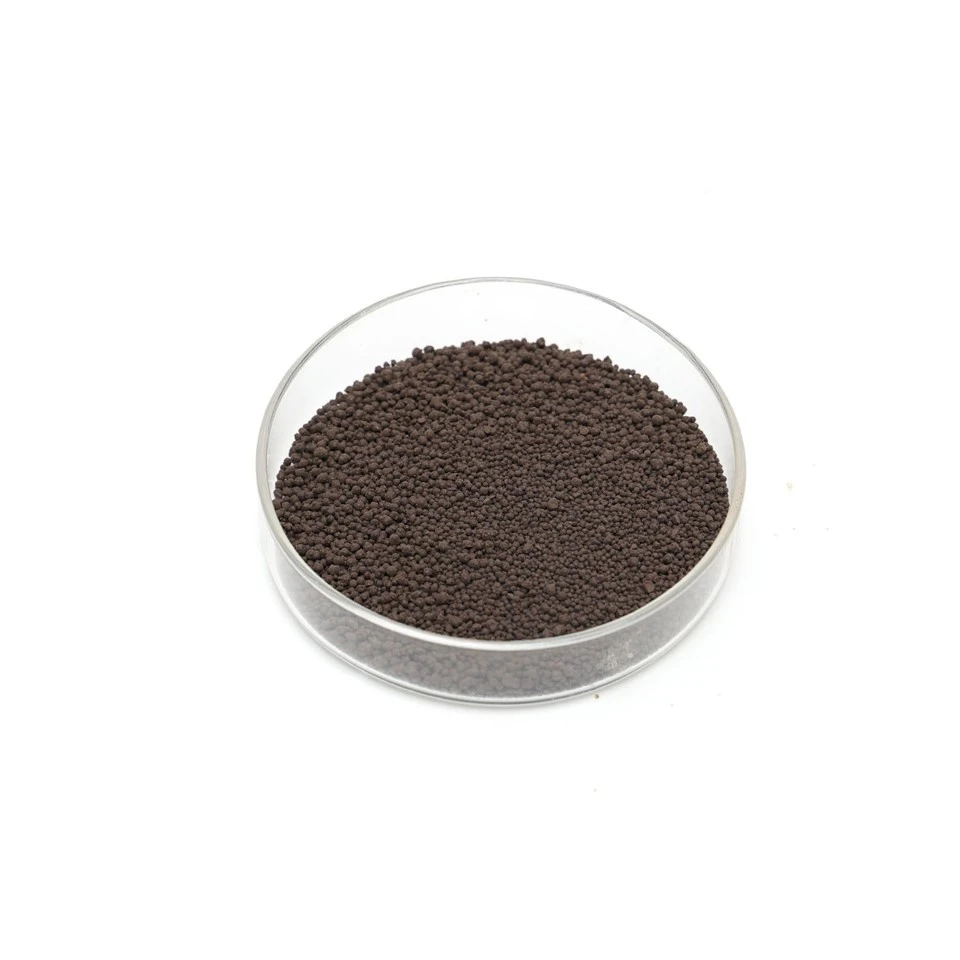

The improved soil structure and water - holding capacity provided by the organic matter help the plants to cope with the stress of grain filling. The beneficial microorganisms also contribute to the overall health of the plants, reducing the incidence of diseases and pests during this critical stage. This leads to higher grain yields and better grain quality, with larger, plumper grains.
Quality of Wheat Produced
In addition to increasing yields, bio organic fertilizers can improve the quality of wheat. The slow - release nutrients and the balanced soil environment result in wheat grains with higher protein content, better milling quality, and improved baking properties. The organic matter in the fertilizer also enriches the soil with trace elements, such as zinc and iron, which are essential for human nutrition.
Wheat grown with bio organic fertilizers is also more environmentally friendly. Since these fertilizers rely on natural processes and organic materials, they reduce the use of synthetic chemicals, minimizing the environmental impact of wheat production.
Our Bio Organic Fertilizer Products
As a bio organic fertilizer supplier, we offer a range of high - quality products that are specifically formulated for wheat growth. Our Organic Inorganic Compound Granular Fertilizer combines the benefits of organic matter and inorganic nutrients, providing a balanced supply of essential elements for wheat plants.
Our Yeast Granular Fertilizer is rich in amino acids, vitamins, and minerals, which can enhance the growth and health of wheat plants. It also contains beneficial yeast strains that can improve soil fertility and plant resistance.
Another product, Yeast Metabolite Granular Fertilizer, is derived from the metabolites of yeast fermentation. It contains bioactive compounds that can stimulate plant growth, improve nutrient uptake, and enhance disease resistance.
Conclusion
In conclusion, bio organic fertilizers have a profound effect on wheat growth, from germination to grain production. They improve soil fertility, promote root development, enhance vegetative and reproductive growth, and increase the quality of the wheat produced. As a bio organic fertilizer supplier, we are committed to providing farmers with high - quality products that can help them achieve sustainable and profitable wheat production.
If you are a wheat farmer or involved in the agricultural industry and are interested in learning more about our bio organic fertilizers or would like to discuss potential procurement opportunities, please feel free to reach out. We are eager to work with you to optimize your wheat yields and improve the quality of your crops.
References
- Brady, N. C., & Weil, R. R. (2008). The nature and properties of soils. Pearson Prentice Hall.
- Smith, S. E., & Read, D. J. (2008). Mycorrhizal symbiosis. Academic Press.
- van der Heijden, M. G., Bardgett, R. D., & van Straalen, N. M. (2008). The unseen majority: Soil microbes as drivers of plant diversity and productivity in terrestrial ecosystems. Ecology letters, 11(3), 296 - 310.


