

Hey there! As an NPK fertilizer supplier, I've been getting a ton of questions lately about how our products affect the size of plant flowers. So, I thought I'd take a deep dive into this topic and share what I've learned over the years.
First off, let's break down what NPK fertilizer is. NPK stands for nitrogen (N), phosphorus (P), and potassium (K). These three nutrients are essential for plant growth, and they each play a unique role in the development of a plant.
Nitrogen is like the fuel for a plant. It's responsible for the lush, green foliage that we all love to see. When a plant has enough nitrogen, it can produce more chlorophyll, which is crucial for photosynthesis. Without enough nitrogen, a plant's leaves may turn yellow, and its growth may be stunted.
Phosphorus, on the other hand, is all about root development and flower production. It helps plants transfer energy from one part to another, which is especially important when it comes to forming buds and flowers. Phosphorus also plays a role in the production of DNA and RNA, which are essential for cell division and growth.
Potassium is often referred to as the "quality nutrient." It helps plants resist diseases, drought, and other environmental stresses. Potassium also plays a role in regulating the opening and closing of stomata, which are tiny pores on the surface of leaves that allow plants to take in carbon dioxide and release oxygen.
Now that we have a basic understanding of what NPK fertilizer is and what each nutrient does, let's talk about how it affects the size of plant flowers.
The Role of Nitrogen in Flower Size
Nitrogen is essential for plant growth, but too much of it can actually have a negative impact on flower size. When a plant has an excess of nitrogen, it tends to focus its energy on producing foliage rather than flowers. This is because nitrogen stimulates the growth of leaves and stems, which can lead to a bushy, leafy plant with fewer flowers.
On the other hand, if a plant doesn't have enough nitrogen, it may not have the energy to produce large, healthy flowers. In this case, the flowers may be small, pale, and few in number.
So, the key is to find the right balance of nitrogen for your plants. Different plants have different nitrogen requirements, so it's important to do your research and choose a fertilizer that is formulated for the specific type of plant you're growing.
The Role of Phosphorus in Flower Size
Phosphorus is perhaps the most important nutrient when it comes to flower production. It plays a crucial role in the formation of buds and flowers, and it can also help increase the size and quality of the flowers.
When a plant has enough phosphorus, it can produce more flower buds, which means more flowers. Phosphorus also helps the flowers develop fully, resulting in larger, more vibrant blooms.
In addition to its role in flower production, phosphorus also helps plants develop strong, healthy roots. This is important because a plant with a strong root system is better able to absorb nutrients and water from the soil, which can lead to better overall growth and development.
The Role of Potassium in Flower Size
Potassium is often overlooked when it comes to flower size, but it plays an important role in the overall health and quality of the flowers. Potassium helps plants resist diseases and environmental stresses, which can help keep the flowers looking their best.
Potassium also plays a role in regulating the water balance in the plant. When a plant has enough potassium, it can better control the opening and closing of stomata, which helps prevent water loss and keeps the flowers hydrated.
In addition to its role in water regulation, potassium also helps plants produce more sugars and starches, which are essential for flower development. This can result in larger, more flavorful flowers.
Finding the Right Balance of NPK
As you can see, each of the three nutrients in NPK fertilizer plays a unique role in the development of plant flowers. To get the best results, it's important to find the right balance of nitrogen, phosphorus, and potassium for your plants.
The ideal NPK ratio for flower production will depend on the type of plant you're growing, as well as the soil conditions and other environmental factors. In general, a fertilizer with a higher phosphorus content is recommended for promoting flower production.
For example, a fertilizer with an NPK ratio of 5-10-5 is a good choice for most flowering plants. This ratio provides a moderate amount of nitrogen for foliage growth, a higher amount of phosphorus for flower production, and a moderate amount of potassium for overall plant health.
However, it's important to note that different plants have different nutrient requirements, so it's always a good idea to do your research and choose a fertilizer that is specifically formulated for the type of plant you're growing.
The Benefits of Using NPK Fertilizer
Using NPK fertilizer can have a number of benefits for your plants, including:

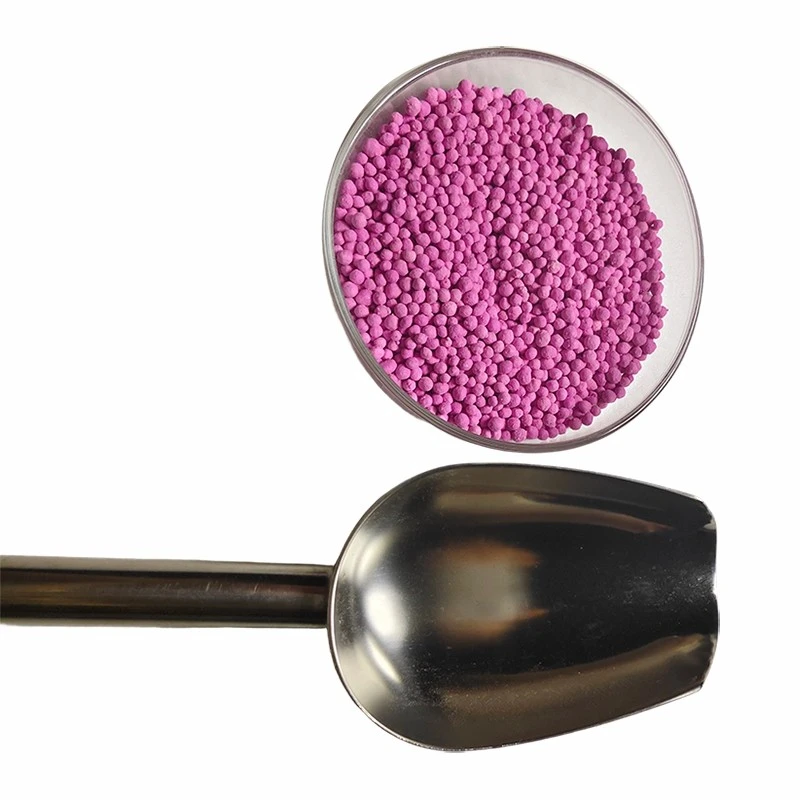
- Increased flower size and quality: As we've discussed, NPK fertilizer can help increase the size and quality of plant flowers by providing the essential nutrients that plants need for growth and development.
- Improved plant health: NPK fertilizer can help improve the overall health of your plants by providing them with the nutrients they need to resist diseases, pests, and environmental stresses.
- Enhanced soil fertility: NPK fertilizer can help improve the fertility of your soil by adding essential nutrients that may be lacking. This can lead to better plant growth and development over time.
- Increased yields: By providing your plants with the nutrients they need, NPK fertilizer can help increase the yields of your flowers, fruits, and vegetables.
Our NPK Fertilizer Products
As an NPK fertilizer supplier, we offer a wide range of high-quality fertilizer products that are designed to meet the needs of different plants and growing conditions. Our products include:
- BB Fertilizer and Compound Fertilizer: Our BB Fertilizer and Compound Fertilizer are formulated with the right balance of nitrogen, phosphorus, and potassium to provide your plants with the nutrients they need for healthy growth and development.
- Organic Fertilizer: We also offer a range of organic fertilizer products that are made from natural ingredients and are free from harmful chemicals and pesticides. These products are a great choice for environmentally conscious gardeners who want to use natural methods to grow their plants.
- Specialty Fertilizer: In addition to our standard fertilizer products, we also offer a range of specialty fertilizer products that are designed for specific types of plants, such as roses, tomatoes, and orchids. These products are formulated with the specific nutrients that these plants need to thrive.
Contact Us for More Information
If you're interested in learning more about our NPK fertilizer products or have any questions about how to use them, please don't hesitate to contact us. We have a team of experienced professionals who are happy to help you choose the right fertilizer for your plants and provide you with any other information you may need.
We also offer free samples of our fertilizer products, so you can try them out before you buy. This is a great way to see the results for yourself and determine if our products are right for you.
So, if you're looking to increase the size and quality of your plant flowers, give our NPK fertilizer products a try. We're confident that you'll be happy with the results.
References
- Brady, N. C., & Weil, R. R. (2002). The nature and properties of soils. Prentice Hall.
- Epstein, E., & Bloom, A. J. (2005). Mineral nutrition of plants: principles and perspectives. Sinauer Associates.
- Marschner, H. (2012). Mineral nutrition of higher plants. Academic Press.


