

The nitrogen - phosphorus - potassium (NPK) ratio in fertilizers is a crucial factor that determines their effectiveness in promoting plant growth and health. As a supplier of seaweed extract fertilizer, understanding the NPK ratio in our products is essential for providing the best solutions to our customers. In this blog, we will delve into what the NPK ratio in seaweed extract fertilizer means, its significance, and how it varies in different types of our seaweed - based fertilizers.
Understanding the NPK Ratio
The NPK ratio is a numerical representation of the percentage of nitrogen (N), phosphorus (P), and potassium (K) in a fertilizer. For example, an NPK ratio of 5 - 10 - 5 indicates that the fertilizer contains 5% nitrogen, 10% phosphorus, and 5% potassium by weight. Each of these elements plays a distinct role in plant development:
- Nitrogen (N): Nitrogen is vital for the production of chlorophyll, which is essential for photosynthesis. It also contributes to the formation of proteins, enzymes, and other important plant compounds. Adequate nitrogen levels result in lush, green foliage and vigorous vegetative growth.
- Phosphorus (P): Phosphorus is involved in energy transfer and storage within the plant. It promotes root development, flowering, and fruiting. A sufficient supply of phosphorus helps plants establish strong root systems and improves their overall resilience.
- Potassium (K): Potassium regulates many physiological processes in plants, such as water uptake, enzyme activation, and the synthesis of starches and sugars. It enhances the plant's resistance to diseases, drought, and other environmental stresses.
NPK Ratio in Seaweed Extract Fertilizer
Seaweed extract fertilizers are derived from various species of seaweed through a process of extraction. The NPK ratio in seaweed extract fertilizers can vary depending on the type of seaweed used, the extraction method, and the specific formulation of the product.
In general, seaweed extract fertilizers tend to have relatively low NPK ratios compared to synthetic fertilizers. This is because seaweed is a natural source of nutrients, and its nutrient composition is more balanced and complex. The typical NPK ratio in seaweed extract fertilizers can range from 0 - 0 - 1 to 2 - 3 - 2, but these values can differ significantly.
For instance, some seaweed species are rich in potassium, which means that fertilizers made from them may have a higher K value in the NPK ratio. On the other hand, the nitrogen and phosphorus content may be relatively lower. This is not necessarily a drawback, as seaweed extract fertilizers also contain a wide range of other beneficial substances, such as amino acids, vitamins, minerals, and plant hormones.
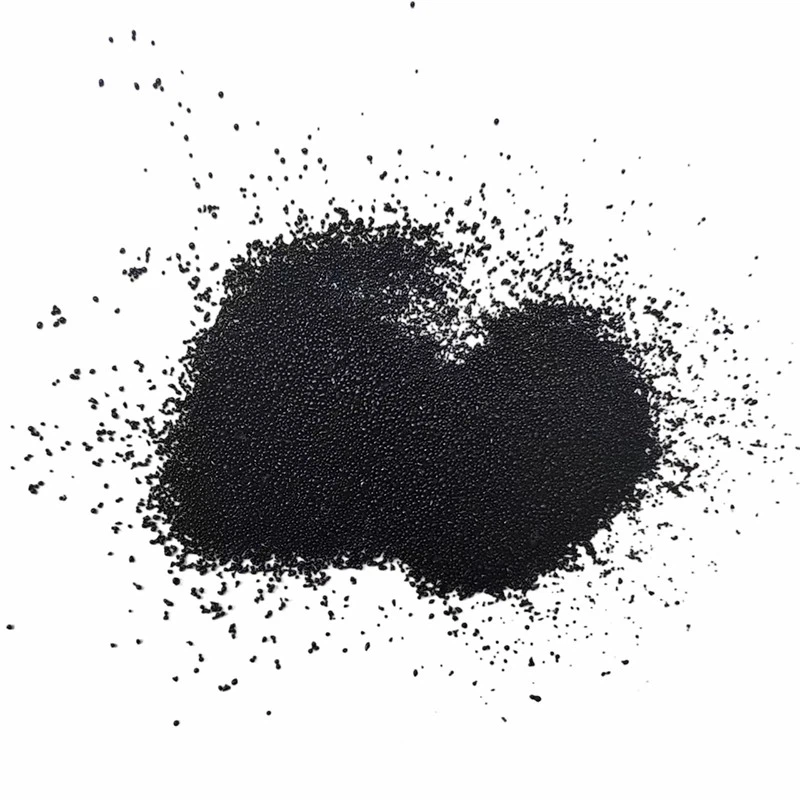

Different Forms of Seaweed Extract Fertilizer and Their NPK Ratios
We offer three main forms of seaweed extract fertilizer: Powdered Seaweed Fertilizer, Liquid Seaweed Extract Fertilizer, and Granular Seaweed Fertiliser. Each form has its own characteristics and NPK ratios.
Powdered Seaweed Fertilizer
Powdered seaweed fertilizer is a convenient and easy - to - store option. It is typically made by drying and grinding seaweed into a fine powder. The NPK ratio of our powdered seaweed fertilizer can vary depending on the specific blend. Generally, it may have an NPK ratio of around 1 - 2 - 1. This balanced ratio provides a moderate amount of nitrogen for vegetative growth, phosphorus for root and flower development, and potassium for overall plant health.
The advantage of powdered seaweed fertilizer is that it can be easily mixed with soil or other fertilizers. It also has a relatively long shelf life, making it suitable for long - term storage.
Liquid Seaweed Extract Fertilizer
Liquid seaweed extract fertilizer is a popular choice among gardeners and farmers because it can be quickly absorbed by plants. It is produced by extracting the nutrients from seaweed using water or other solvents. Our liquid seaweed extract fertilizer usually has a lower NPK ratio, often around 0 - 0 - 1 or 0 - 1 - 1.
Although the NPK values are relatively low, the liquid form allows for rapid nutrient uptake by plants. Additionally, liquid seaweed extract contains a high concentration of other bioactive compounds, such as cytokinins, auxins, and gibberellins, which can stimulate plant growth and development.
Granular Seaweed Fertiliser
Granular seaweed fertiliser is another option that offers slow - release of nutrients. It is made by compressing seaweed extract into granules. The NPK ratio of our granular seaweed fertiliser can be similar to that of the powdered form, around 1 - 2 - 1.
The granular form provides a steady supply of nutrients over an extended period. This is beneficial for plants that require a continuous source of nutrients throughout the growing season. It is also easy to apply, either by broadcasting on the soil surface or incorporating into the soil.
Significance of the NPK Ratio in Seaweed Extract Fertilizer
The relatively low NPK ratio in seaweed extract fertilizers does not mean that they are less effective. In fact, their balanced and complex nutrient composition offers several advantages:
- Environmentally Friendly: Seaweed extract fertilizers are natural and organic, which means they have a lower impact on the environment compared to synthetic fertilizers. They do not contribute to soil degradation or water pollution.
- Enhanced Soil Health: Seaweed extract fertilizers can improve soil structure and fertility. They promote the growth of beneficial soil microorganisms, which help break down organic matter and release nutrients in a more available form.
- Stress Tolerance: The bioactive compounds in seaweed extract fertilizers can enhance a plant's ability to tolerate environmental stresses, such as drought, salinity, and disease. This is particularly important in challenging growing conditions.
Choosing the Right Seaweed Extract Fertilizer Based on NPK Ratio
When choosing a seaweed extract fertilizer, it is important to consider the specific needs of your plants. For example, if you are growing leafy vegetables that require a lot of nitrogen for vegetative growth, you may choose a seaweed extract fertilizer with a relatively higher nitrogen content in the NPK ratio.
On the other hand, if you are growing flowering plants or fruit trees, a fertilizer with a higher phosphorus content may be more suitable to promote flower and fruit development. For plants that are exposed to harsh environmental conditions, a fertilizer with a higher potassium content can help improve their stress tolerance.
Contact Us for Procurement
As a professional seaweed extract fertilizer supplier, we are committed to providing high - quality products with well - defined NPK ratios. Whether you are a small - scale gardener or a large - scale farmer, we have the right seaweed extract fertilizer to meet your needs.
If you are interested in learning more about our products or would like to discuss procurement options, please feel free to reach out to us. We are happy to provide detailed information about the NPK ratios of our fertilizers and offer personalized advice on their application.
References
- Smith, J. (2018). The Role of Seaweed Extracts in Sustainable Agriculture. Journal of Sustainable Agriculture, 42(3), 210 - 225.
- Brown, A. (2019). Nutrient Composition and Benefits of Seaweed - Based Fertilizers. Agricultural Science Review, 15(2), 89 - 102.
- Green, C. (2020). Understanding NPK Ratios in Organic Fertilizers. Organic Farming Magazine, 25(4), 32 - 38.


