

Hey there! I'm an organic fertilizer supplier, and I'm super stoked to chat with you about the nutrient content of common organic fertilizers. Organic fertilizers are the real deal when it comes to nourishing your soil and plants in a natural, sustainable way. Let's dive right in and explore what makes these fertilizers so awesome.
Manure-Based Organic Fertilizers
Manure is one of the oldest and most widely used organic fertilizers out there. It comes from animals like cows, horses, chickens, and pigs. Each type of manure has its own unique nutrient profile, but in general, they're all rich in nitrogen (N), phosphorus (P), and potassium (K), which are the three primary nutrients that plants need to grow and thrive.
Cow manure, for example, is a great all-purpose fertilizer. It typically contains about 0.5 - 1% nitrogen, 0.2 - 0.5% phosphorus, and 0.5 - 1% potassium. It also has a good amount of organic matter, which helps improve soil structure, water retention, and aeration. Horse manure is similar, but it tends to be a bit coarser and may need to be composted for a longer time before use.
Chicken manure is a powerhouse of nutrients. It's high in nitrogen, with levels ranging from 1.5 - 6%, as well as phosphorus and potassium. However, it's also very strong and can burn plants if not properly composted or diluted. Pig manure is another good option, with a nutrient content similar to chicken manure but a bit milder.
One of the great things about manure-based fertilizers is that they also contain secondary nutrients like calcium, magnesium, and sulfur, as well as micronutrients like iron, zinc, and manganese. These nutrients are essential for plant health and can help prevent nutrient deficiencies.
Compost
Compost is another popular organic fertilizer that's made by decomposing organic materials like food scraps, yard waste, and leaves. It's a rich source of organic matter and nutrients, and it can be used to improve soil fertility, structure, and water-holding capacity.
The nutrient content of compost can vary depending on the materials used and the composting process. In general, compost contains about 1 - 3% nitrogen, 0.5 - 1% phosphorus, and 1 - 2% potassium. It also has a good amount of secondary nutrients and micronutrients.
One of the benefits of using compost is that it's a slow-release fertilizer, which means that the nutrients are released gradually over time. This helps prevent nutrient leaching and ensures that plants have a steady supply of nutrients throughout the growing season.
Bone Meal
Bone meal is a natural fertilizer that's made from ground animal bones. It's a rich source of phosphorus, with levels ranging from 15 - 27%, as well as calcium. Phosphorus is essential for root development, flower and fruit production, and overall plant growth.
Bone meal is a slow-release fertilizer, so it's best to apply it before planting or early in the growing season. It's also a good option for plants that are heavy feeders or that need a lot of phosphorus, like tomatoes, peppers, and roses.
Blood Meal
Blood meal is a high-nitrogen fertilizer that's made from dried animal blood. It contains about 12 - 13% nitrogen, which is a lot compared to other organic fertilizers. Nitrogen is essential for leafy growth and green color in plants.
Blood meal is a fast-release fertilizer, which means that the nitrogen is released quickly into the soil. This can be beneficial for plants that need a quick boost of nitrogen, but it can also lead to nitrogen leaching if overapplied. It's best to use blood meal sparingly and in combination with other organic fertilizers.
Seaweed and Kelp Fertilizers
Seaweed and kelp fertilizers are made from seaweed or kelp plants. They're a rich source of nutrients, including nitrogen, phosphorus, potassium, calcium, magnesium, and a variety of micronutrients. Seaweed and kelp fertilizers also contain plant growth hormones, which can help stimulate root growth, improve plant health, and increase yields.
One of the benefits of using seaweed and kelp fertilizers is that they're organic and environmentally friendly. They can also help improve soil fertility and water-holding capacity, and they can reduce the need for chemical fertilizers.
Humic Acid Fertilizer and Fulvic Acid Fertilizer
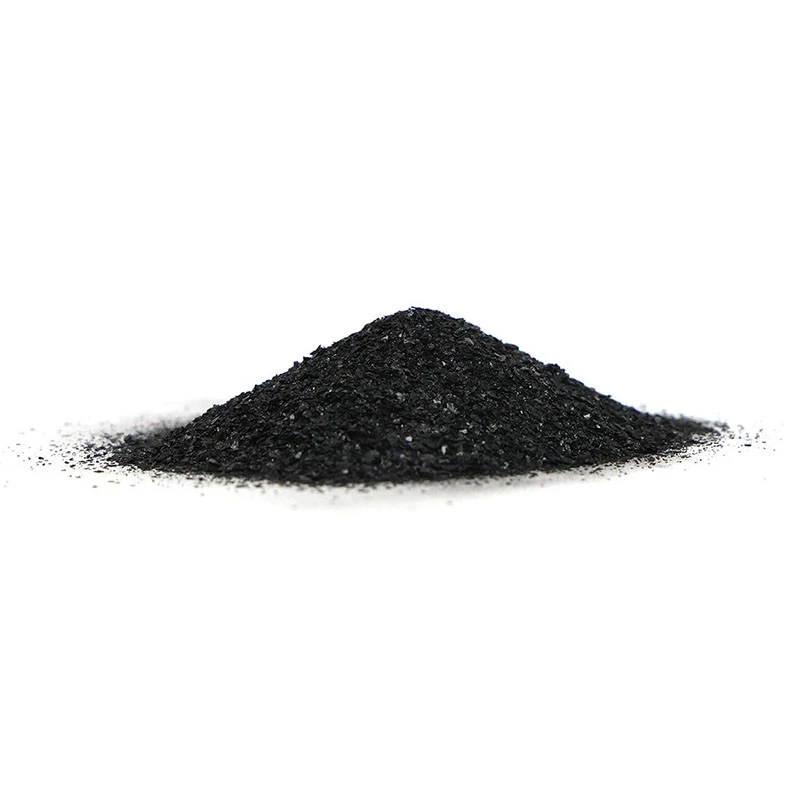
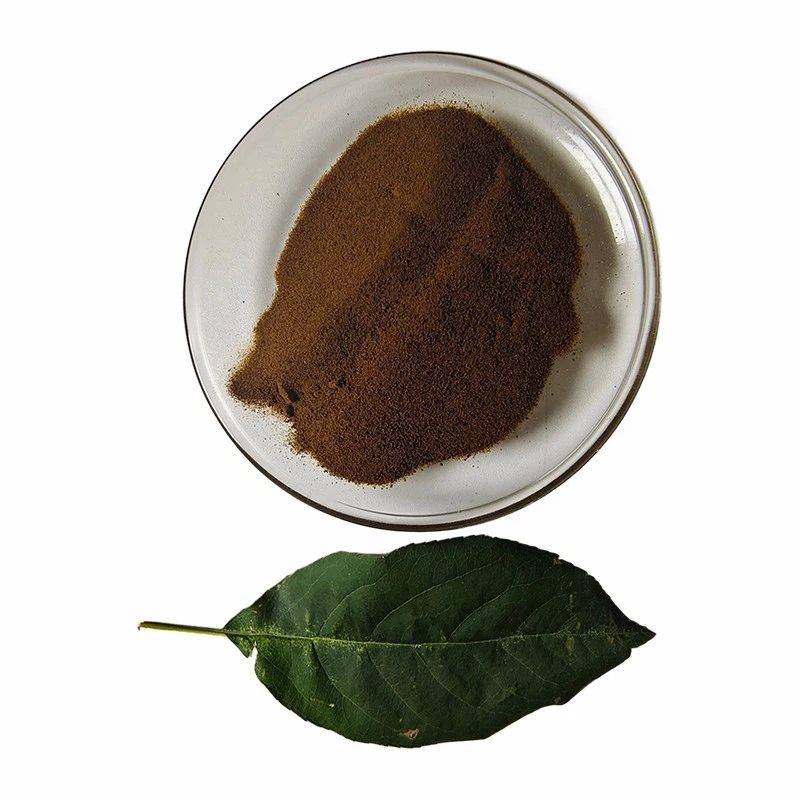
Humic Acid Fertilizer and Fulvic Acid Fertilizer are two types of organic fertilizers that are becoming increasingly popular. Humic acid is a complex organic compound that's found in soil, peat, and other organic materials. It's a natural chelating agent, which means that it can bind to nutrients and make them more available to plants.
Fulvic acid is a smaller, more soluble form of humic acid. It can penetrate plant cells more easily and can help transport nutrients into the plant. Both humic acid and fulvic acid fertilizers can improve soil structure, water retention, and nutrient availability, as well as stimulate plant growth and development.
Amino Acid Fertilizer
Amino Acid Fertilizer is another type of organic fertilizer that's made from amino acids, which are the building blocks of proteins. Amino acids are essential for plant growth and development, and they can help improve plant health, resistance to stress, and yields.
Amino acid fertilizers can be made from a variety of sources, including animal proteins, plant proteins, and microbial proteins. They're a rich source of nitrogen, as well as other nutrients and bioactive compounds.
Why Choose Organic Fertilizers?
There are many reasons to choose organic fertilizers over synthetic fertilizers. First of all, organic fertilizers are more environmentally friendly. They're made from natural materials and don't contain harmful chemicals or synthetic additives. This means that they're safer for the environment, wildlife, and human health.
Organic fertilizers also help improve soil health. They add organic matter to the soil, which helps improve soil structure, water-holding capacity, and aeration. This can lead to healthier plants that are more resistant to pests and diseases.
In addition, organic fertilizers release nutrients slowly over time, which helps prevent nutrient leaching and ensures that plants have a steady supply of nutrients. This can lead to more balanced growth and better yields.
Contact Us for Your Organic Fertilizer Needs
If you're interested in learning more about our organic fertilizers or if you're ready to place an order, we'd love to hear from you. We offer a wide range of high-quality organic fertilizers at competitive prices, and we're committed to providing excellent customer service.
Whether you're a professional farmer, a home gardener, or a landscaper, we have the right organic fertilizer for your needs. Contact us today to discuss your options and start growing healthier, more productive plants.
References
- Brady, N. C., & Weil, R. R. (2008). The nature and properties of soils. Pearson Prentice Hall.
- Compost Council of Canada. (n.d.). Compost: A natural fertilizer. Retrieved from https://compost.org/compost-a-natural-fertilizer/
- Oregon State University Extension Service. (n.d.). Organic fertilizers: Sources and nutrient content. Retrieved from https://extension.oregonstate.edu/gardening/techniques/organic-fertilizers-sources-and-nutrient-content


