

Hey there! As an EDTA supplier, I've seen firsthand how this little chemical compound plays a huge role in the electroplating industry. So, let's dive into what EDTA is and why it's so important in electroplating.
What is EDTA?
First off, let's get to know EDTA. EDTA stands for ethylenediaminetetraacetic acid. It's a chelating agent, which means it can grab onto metal ions and form a stable, water - soluble complex. This ability to bind with metal ions is what makes it super useful in a whole bunch of industries, including electroplating.
The Basics of Electroplating
Before we talk about EDTA's role, let's quickly go over what electroplating is. Electroplating is a process where a thin layer of metal is deposited onto the surface of an object. This is done by using an electric current to reduce dissolved metal cations so that they form a coherent metal coating on an electrode. The object to be plated acts as the cathode, and a metal anode is used to supply the metal ions for plating.
EDTA's Role in Electroplating
1. Metal Ion Chelation
One of the main jobs of EDTA in electroplating is chelating metal ions. In an electroplating bath, there are usually various metal ions present. Some of these ions might be impurities or might interfere with the plating process. EDTA can selectively bind to these unwanted metal ions, preventing them from causing problems during plating.
For example, in a copper electroplating bath, there could be trace amounts of iron ions. These iron ions can deposit on the cathode along with copper, leading to a poor - quality plating. EDTA can chelate the iron ions, keeping them in solution and out of the plating layer. This results in a smoother, more uniform, and higher - quality copper plating.
2. Controlling Metal Ion Concentration
EDTA also helps in controlling the concentration of metal ions in the electroplating bath. It can release the metal ions it has chelated in a controlled manner. This is crucial because the rate of metal deposition in electroplating depends on the concentration of metal ions in the solution. If the concentration is too high, the plating might be uneven or have a rough surface. If it's too low, the plating process will be very slow.
By adjusting the amount of EDTA in the bath, we can fine - tune the availability of metal ions for plating. This ensures a consistent and high - quality plating process.
3. Improving Bath Stability
Electroplating baths need to be stable over time. Temperature changes, pH fluctuations, and the presence of contaminants can all affect the stability of the bath. EDTA helps to maintain the stability of the electroplating bath.
It can buffer the pH of the solution to some extent. Many electroplating processes work best within a specific pH range. EDTA can react with acidic or basic components in the bath to keep the pH within the desired range. This stability is essential for getting consistent plating results batch after batch.
4. Enhancing Plating Adhesion
The adhesion of the plated metal layer to the substrate is very important. A poorly adhered plating can peel off easily, reducing the functionality and appearance of the plated object. EDTA can improve the adhesion of the plating layer.
It does this by modifying the surface properties of the substrate. When EDTA chelates metal ions on the substrate surface, it can create a more uniform and clean surface for metal deposition. This allows the plated metal to bond better with the substrate, resulting in a more durable plating.
Different Forms of EDTA in Electroplating
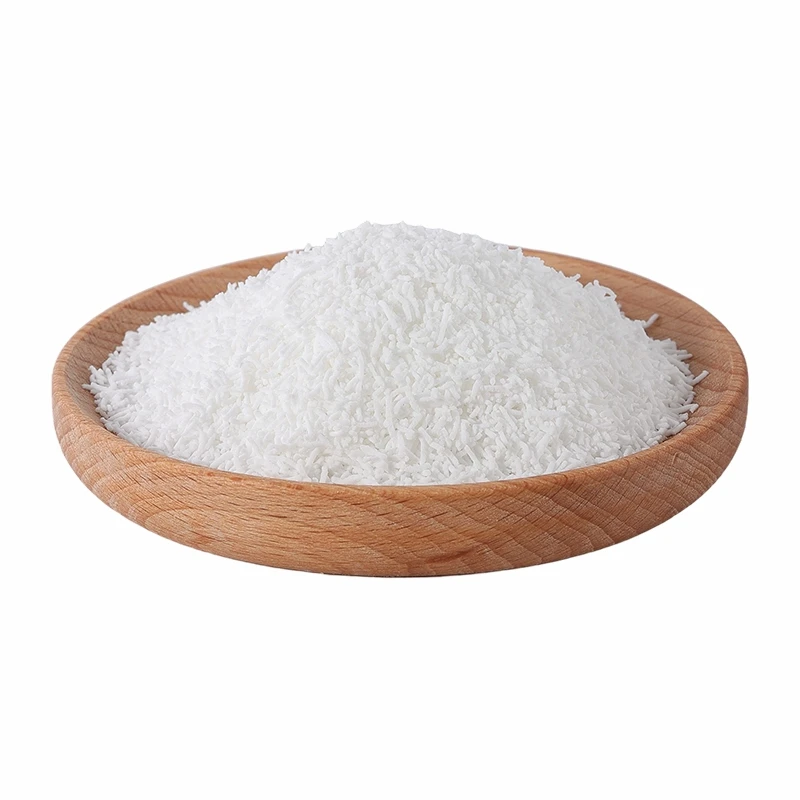
We offer different forms of EDTA that are suitable for various electroplating applications. For example, EDTA Mn, EDTA Mg, and EDTA Ca can be used depending on the specific requirements of the electroplating process.
EDTA Mn can be used in electroplating processes where manganese ions are needed for specific alloy plating or to enhance certain properties of the plating. EDTA Mg can help in magnesium - related electroplating applications, and EDTA Ca is useful when calcium ions play a role in the plating bath chemistry.

Why Choose Our EDTA Products?
As an EDTA supplier, we take pride in offering high - quality EDTA products. Our EDTA is produced with strict quality control measures to ensure its purity and effectiveness. We understand the unique needs of the electroplating industry, and our products are formulated to meet those requirements.
We also offer excellent customer service. Our team of experts can provide technical support and advice on how to use our EDTA products in your electroplating processes. Whether you're a small - scale electroplating shop or a large - scale industrial operation, we can work with you to find the right EDTA solution for your needs.
Contact Us for Your EDTA Needs
If you're in the electroplating industry and are looking for a reliable EDTA supplier, we'd love to hear from you. Whether you have questions about our products, need a sample, or want to discuss a large - scale purchase, don't hesitate to reach out. We're here to help you improve your electroplating processes and get the best results.
References
- "Electroplating Engineering Handbook" by Paul Dechema.
- Journal of Electrochemical Society, various issues on electroplating and chelating agents.


