

Hey there! As an organic fertilizer supplier, I've seen firsthand the incredible impact that microorganisms have on organic fertilizers. In this blog, I'm gonna break down what these little guys do and why they're so important for your soil and plants.
What Are Microorganisms in Organic Fertilizer?
Microorganisms are tiny living things that you can't see with the naked eye. They include bacteria, fungi, protozoa, and algae. In organic fertilizers, these microorganisms play a crucial role in the decomposition of organic matter and the release of nutrients.
When we talk about organic fertilizers, we're usually referring to materials like compost, manure, and other plant - based residues. These materials are full of organic compounds that need to be broken down into simpler forms so that plants can absorb them. That's where microorganisms come in.
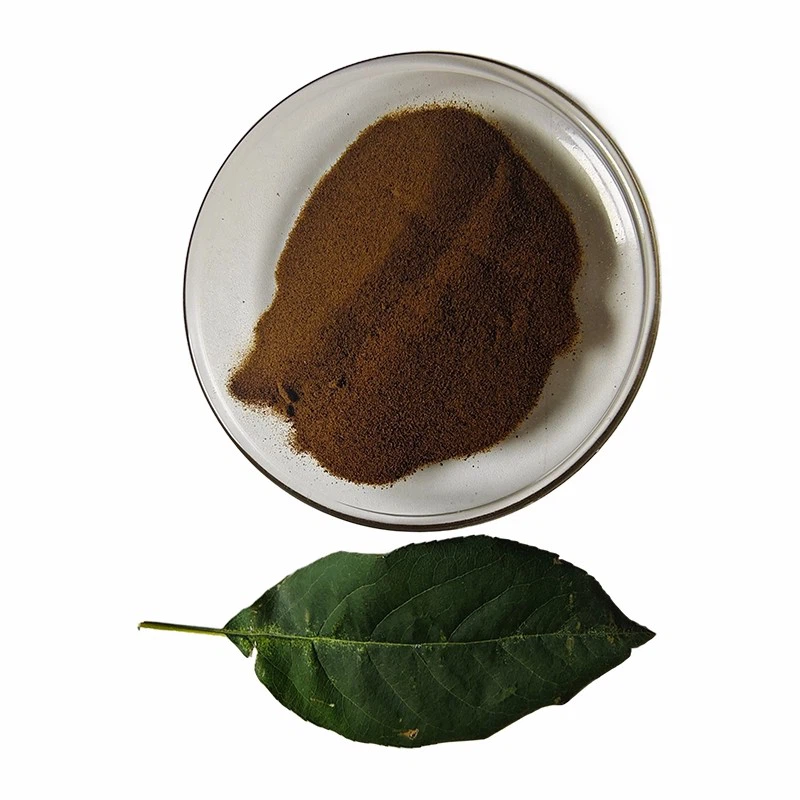

Decomposition and Nutrient Release
One of the primary roles of microorganisms in organic fertilizer is decomposition. They break down complex organic molecules into smaller, more accessible forms. For example, bacteria and fungi can break down proteins in manure into amino acids. These amino acids can then be taken up by plants to support their growth and development.
Let's take a closer look at some of the key nutrients that microorganisms help release:
- Nitrogen: Nitrogen is an essential nutrient for plant growth. Microorganisms in organic fertilizers convert organic nitrogen compounds into ammonium and nitrate, which are the forms of nitrogen that plants can use. Some bacteria, like rhizobia, can even fix atmospheric nitrogen and make it available to plants. This is a huge benefit for farmers because it reduces the need for synthetic nitrogen fertilizers.
- Phosphorus: Phosphorus is important for root development, flowering, and fruiting. Microorganisms can solubilize phosphorus from organic and inorganic sources in the soil. Fungi, in particular, form symbiotic relationships with plant roots called mycorrhizae. These mycorrhizal fungi can extend the root system of plants and help them access more phosphorus from the soil.
- Potassium: Potassium is involved in many physiological processes in plants, such as water regulation and enzyme activation. Microorganisms can help release potassium from soil minerals and organic matter, making it more available to plants.
Soil Structure Improvement
Microorganisms also play a vital role in improving soil structure. When they break down organic matter, they produce substances like polysaccharides and glomalin. These substances act as a kind of glue, binding soil particles together to form aggregates.
Good soil structure is important for several reasons. It allows for better water infiltration and drainage, which helps prevent waterlogging and erosion. It also provides more space for air to enter the soil, which is essential for root respiration. In addition, well - structured soil makes it easier for plant roots to penetrate and grow.
Disease Suppression
Another great benefit of microorganisms in organic fertilizers is their ability to suppress plant diseases. Some bacteria and fungi produce antibiotics and other bioactive compounds that can inhibit the growth of pathogenic microorganisms.
For example, certain strains of Bacillus bacteria can produce antibiotics that kill or inhibit the growth of plant pathogens like Fusarium and Phytophthora. These beneficial microorganisms can also compete with pathogens for nutrients and space in the soil, reducing the chances of disease infection.
Types of Microorganisms in Organic Fertilizers
There are many different types of microorganisms in organic fertilizers, each with its own unique functions. Here are some of the most common ones:
- Bacteria: Bacteria are the most abundant microorganisms in soil. They are involved in many processes, including decomposition, nitrogen fixation, and disease suppression. Some well - known bacteria in organic fertilizers include Bacillus, Pseudomonas, and Rhizobium.
- Fungi: Fungi are important for decomposing complex organic compounds like lignin and cellulose. Mycorrhizal fungi, as mentioned earlier, form symbiotic relationships with plant roots and help plants access nutrients. Other fungi, like Trichoderma, can suppress plant diseases.
- Protozoa: Protozoa are single - celled organisms that feed on bacteria and other microorganisms. By grazing on bacteria, protozoa can release nutrients that were previously locked up in the bacterial cells, making them available to plants.
- Algae: Algae can photosynthesize and produce organic matter. They also help improve soil fertility by fixing carbon dioxide and releasing oxygen. Some algae can even produce growth - promoting substances that benefit plants.
Our Organic Fertilizer Products
At our company, we understand the importance of microorganisms in organic fertilizers. That's why our products are carefully formulated to contain a diverse range of beneficial microorganisms.
We offer a variety of organic fertilizers, including Humic Acid Fertilizer, Amino Acid Fertilizer, and Fulvic Acid Fertilizer. These fertilizers are rich in organic matter and microorganisms, which can help improve soil health and plant growth.
Our humic acid fertilizer contains humic substances that can enhance soil structure, increase nutrient availability, and stimulate plant growth. The amino acid fertilizer provides essential amino acids that plants need for protein synthesis and other metabolic processes. And our fulvic acid fertilizer is known for its ability to chelate nutrients and make them more easily absorbed by plants.
Why Choose Our Organic Fertilizers?
- Environmentally Friendly: Our organic fertilizers are made from natural materials and do not contain harmful chemicals. They help reduce pollution and protect the environment.
- Sustainable: By using organic fertilizers, you can improve soil fertility in the long term without depleting natural resources.
- Healthy Plants: The microorganisms in our fertilizers help plants grow stronger and healthier, making them more resistant to diseases and pests.
Contact Us for Procurement
If you're interested in our organic fertilizers and want to learn more about how they can benefit your farm or garden, don't hesitate to contact us. We're always happy to answer your questions and discuss your specific needs. Whether you're a small - scale gardener or a large - scale farmer, we have the right organic fertilizer products for you.
References
- Paul, E. A., & Clark, F. E. (1996). Soil Microbiology and Biochemistry. Academic Press.
- van der Heijden, M. G. A., Martin, F., Selosse, M. - A., & Sanders, I. R. (2015). Mycorrhizal ecology and evolution: the past, the present, and the future. New Phytologist, 205(2), 564 - 581.
- Weller, D. M., Raaijmakers, J. M., McSpadden Gardener, B. B., & Thomashow, L. S. (2002). Microbial populations responsible for specific soil suppressiveness to plant pathogens. Annual Review of Phytopathology, 40(1), 309 - 348.


