

As a supplier of NPK fertilizers, I've witnessed firsthand the crucial role that phosphorus plays in the formulation and effectiveness of these essential agricultural products. NPK fertilizers, which contain nitrogen (N), phosphorus (P), and potassium (K), are the backbone of modern agriculture, providing plants with the three primary nutrients they need for healthy growth and development. In this blog post, I'll delve into the specific functions of phosphorus in NPK fertilizers, its importance for plant health, and how it contributes to overall crop productivity.
The Basics of Phosphorus in NPK Fertilizers
Phosphorus is the second element in the NPK ratio, and it is essential for a wide range of plant processes. It is a key component of DNA, RNA, and ATP (adenosine triphosphate), which are all vital for cell division, energy transfer, and the storage and transmission of genetic information. Phosphorus also plays a crucial role in photosynthesis, the process by which plants convert sunlight into chemical energy.
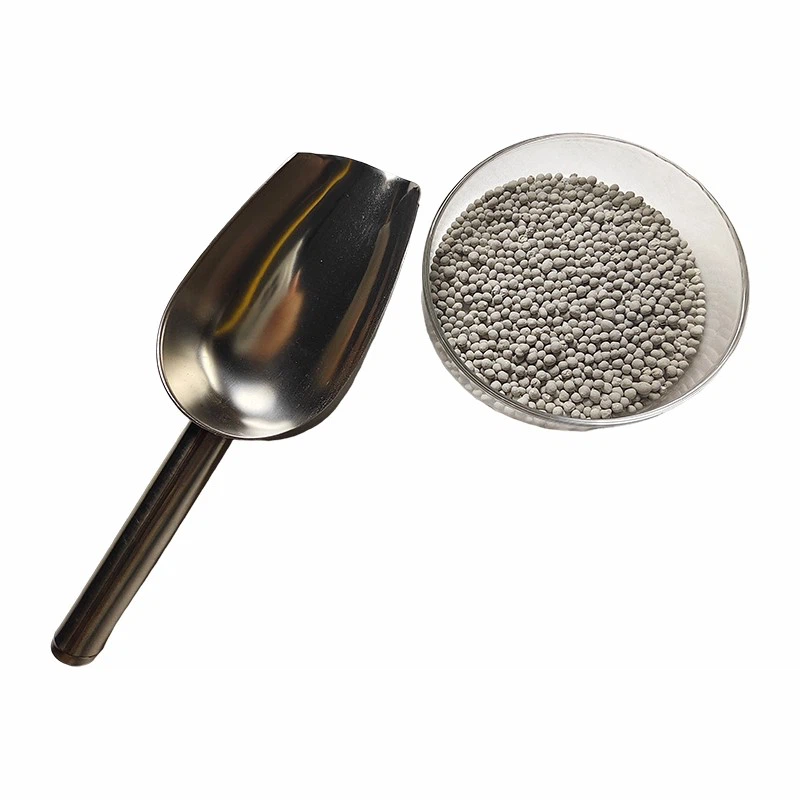
In NPK fertilizers, phosphorus is typically present in the form of phosphate salts, such as monoammonium phosphate (MAP) or diammonium phosphate (DAP). These salts are highly soluble in water, making them readily available for plant uptake. The amount of phosphorus in an NPK fertilizer is usually expressed as a percentage of the total weight of the fertilizer, with the P2O5 equivalent being the standard unit of measurement.
The Role of Phosphorus in Plant Growth
Phosphorus is essential for several key aspects of plant growth and development, including:
- Root Development: Phosphorus is crucial for the development of a strong and healthy root system. It promotes root growth, branching, and the formation of root hairs, which increase the surface area of the roots and improve their ability to absorb water and nutrients from the soil. A well-developed root system is essential for plant survival, especially in challenging environmental conditions.
- Flowering and Fruiting: Phosphorus plays a vital role in the formation of flowers and fruits. It is involved in the production of hormones that regulate flowering and fruiting, and it helps to ensure that plants produce high-quality flowers and fruits. Adequate phosphorus levels are particularly important for crops such as tomatoes, peppers, and cucumbers, which require a lot of energy to produce large, healthy fruits.
- Energy Transfer: Phosphorus is a key component of ATP, the molecule that stores and transfers energy within plant cells. During photosynthesis, plants use sunlight to convert carbon dioxide and water into glucose and oxygen. The energy released during this process is stored in ATP, which is then used by the plant to power other metabolic processes, such as growth, development, and reproduction.
- Stress Tolerance: Phosphorus helps plants to tolerate a variety of environmental stresses, such as drought, cold, and disease. It plays a role in the synthesis of proteins and enzymes that are involved in stress response pathways, and it helps to maintain the integrity of cell membranes, which are essential for protecting plants from damage.
The Importance of Phosphorus for Crop Productivity
The availability of phosphorus in the soil can have a significant impact on crop productivity. In many parts of the world, soils are naturally low in phosphorus, which can limit plant growth and reduce yields. By applying NPK fertilizers that contain phosphorus, farmers can ensure that their crops have access to an adequate supply of this essential nutrient, which can help to improve crop yields and quality.
In addition to improving crop yields, phosphorus can also have a positive impact on the nutritional value of crops. Phosphorus is involved in the synthesis of proteins, vitamins, and minerals, which are all essential for human health. By ensuring that crops have access to an adequate supply of phosphorus, farmers can help to produce crops that are more nutritious and beneficial for human consumption.

The Role of Phosphorus in Sustainable Agriculture
Phosphorus is a finite resource, and its availability is becoming increasingly limited. As a result, it is important to use phosphorus fertilizers efficiently and sustainably to ensure that we can continue to meet the growing demand for food while minimizing the environmental impact of agriculture.
One way to use phosphorus fertilizers more efficiently is to apply them at the right time and in the right amount. This can help to ensure that plants have access to an adequate supply of phosphorus when they need it most, while minimizing the risk of phosphorus runoff and pollution. Another way to use phosphorus fertilizers more sustainably is to use them in combination with other nutrient management practices, such as crop rotation, cover cropping, and the use of organic fertilizers. These practices can help to improve soil health and fertility, which can reduce the need for synthetic fertilizers and improve the efficiency of phosphorus use.
Conclusion
As a supplier of NPK fertilizers, I understand the importance of phosphorus in modern agriculture. Phosphorus is essential for plant growth and development, and it plays a crucial role in crop productivity and quality. By ensuring that our customers have access to high-quality NPK fertilizers that contain an adequate supply of phosphorus, we can help them to grow healthy, productive crops while minimizing the environmental impact of agriculture.
If you're interested in learning more about the role of phosphorus in NPK fertilizers or if you're looking for a reliable supplier of high-quality fertilizers, please don't hesitate to contact us. We'd be happy to answer any questions you may have and to help you find the right fertilizers for your specific needs.
References
- Brady, N. C., & Weil, R. R. (2008). The nature and properties of soils. Pearson Prentice Hall.
- Marschner, H. (2012). Mineral nutrition of higher plants. Academic Press.
- Mengel, K., & Kirkby, E. A. (2001). Principles of plant nutrition. Kluwer Academic Publishers.
- BB Fertilizer and Compound Fertilizer


