

Hey there, fellow gardeners and farmers! As a supplier of Powdered Seaweed Fertilizer, I often get asked about the shelf-life of this amazing product. So, let's dive right in and explore what you need to know.
First off, what exactly is powdered seaweed fertilizer? It's a nutrient - rich organic fertilizer made from dried and ground seaweed. Seaweed is packed with essential nutrients like nitrogen, phosphorus, potassium, as well as trace elements such as iron, zinc, and manganese. These nutrients are crucial for plant growth, helping to improve soil structure, enhance plant immunity, and increase crop yields. You can learn more about it on our website: Powdered Seaweed Fertilizer.
Now, onto the main question: what's the shelf - life of powdered seaweed fertilizer? Well, generally speaking, if stored properly, powdered seaweed fertilizer can have a relatively long shelf - life. Under ideal conditions, it can last anywhere from 2 to 5 years.
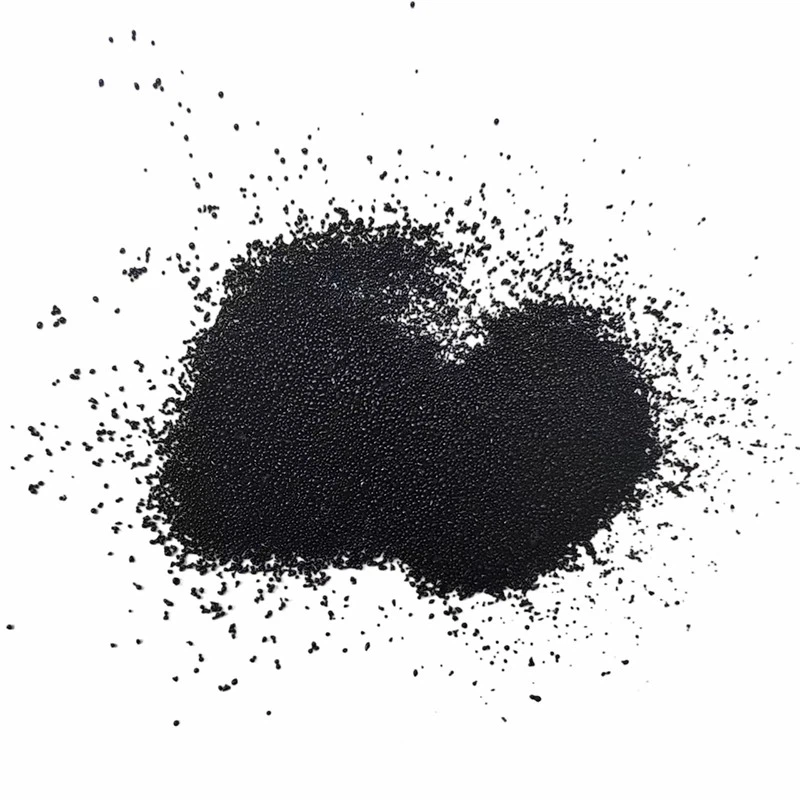

The key to a long shelf - life lies in proper storage. Here are some storage tips that I always recommend to my customers:
1. Keep it dry
Moisture is the enemy of powdered seaweed fertilizer. Once the powder gets wet, it can clump together, and this can lead to the growth of mold and bacteria. These microorganisms can break down the nutrients in the fertilizer, reducing its effectiveness. So, make sure to store the fertilizer in a dry place. A cool, dry basement or a storage shed that's well - ventilated is a great option. If you live in a humid area, you might even consider using a dehumidifier in the storage space.
2. Seal it tightly
After opening the package, make sure to seal it tightly. An airtight container is the best choice. This will prevent air and moisture from getting in. You can use the original packaging if it has a good seal, or transfer the fertilizer to a plastic container with a tight - fitting lid.
3. Protect from sunlight
Sunlight can also have a negative impact on the fertilizer. Ultraviolet rays can break down some of the organic compounds in the seaweed, reducing its nutrient content. So, store the fertilizer in a dark place. A closet or a cabinet away from direct sunlight is ideal.
4. Avoid extreme temperatures
Both high and low temperatures can affect the quality of the fertilizer. High temperatures can cause the nutrients to degrade faster, while extremely low temperatures can make the powder more brittle and prone to clumping. Try to keep the storage temperature between 10°C and 30°C (50°F and 86°F).
If you follow these storage guidelines, you can ensure that your powdered seaweed fertilizer stays in good condition for a long time. But how can you tell if the fertilizer has gone bad?
Signs that the fertilizer has expired
- Clumping: As mentioned earlier, if the powder has clumped together, it might be a sign that moisture has gotten in. While you can sometimes break up the clumps, if the clumps are hard and there's visible mold, it's best to discard the fertilizer.
- Strange smell: A fresh batch of powdered seaweed fertilizer has a characteristic sea - like smell. If you notice a foul or musty odor, it could mean that mold or bacteria have started to grow, and the fertilizer is no longer good.
- Color change: If the color of the powder has changed significantly, for example, if it has turned a darker shade or has developed spots, this could also indicate that the fertilizer has degraded.
It's important to note that even if the fertilizer is past its prime, it doesn't necessarily mean it's completely useless. It might still have some residual nutrients, but its effectiveness will be reduced.
Now, you might be wondering how powdered seaweed fertilizer compares to other forms of seaweed fertilizer, like Liquid Seaweed Extract Fertilizer and Granular Seaweed Fertiliser.
Comparison with other seaweed fertilizers
- Liquid Seaweed Extract Fertilizer: Liquid seaweed extract fertilizer generally has a shorter shelf - life compared to the powdered form. It usually lasts about 1 to 2 years, even when stored properly. This is because the liquid form is more susceptible to the growth of microorganisms and the degradation of nutrients. However, it's easier to apply, especially for foliar feeding.
- Granular Seaweed Fertiliser: Granular seaweed fertilizer has a shelf - life similar to the powdered form, around 2 to 5 years when stored correctly. The granules are less likely to clump compared to the powder, but they also need to be stored in a dry and sealed environment.
In conclusion, powdered seaweed fertilizer is a great choice for gardeners and farmers looking for an organic and long - lasting fertilizer. With proper storage, you can make the most of its nutrients and ensure that your plants get the best possible care.
If you're interested in purchasing powdered seaweed fertilizer or have any questions about it, don't hesitate to reach out. We're always here to help you make the right choice for your gardening or farming needs. Whether you're a small - scale home gardener or a large - scale farmer, we have the right product for you.
References
- Seaweed Fertilizers: A Review, Journal of Plant Nutrition
- The Effects of Storage Conditions on Organic Fertilizers, Agricultural Research Institute
So, what are you waiting for? Give your plants the boost they need with our high - quality powdered seaweed fertilizer!


