

As a supplier of Yeast Granular Fertilizer, I often encounter inquiries from customers about the source of the yeast used in our product. This blog post aims to provide a comprehensive understanding of the yeast sources in Yeast Granular Fertilizer, exploring the scientific aspects and the benefits they bring to agriculture.
The Fundamental Role of Yeast in Fertilizer
Yeast is a single - celled fungus that has a long - standing relationship with human activities, from baking bread to brewing beer. In the context of fertilizer, yeast plays a crucial role. It is rich in various nutrients such as proteins, vitamins, and minerals. When used in fertilizer, these nutrients can be gradually released into the soil, providing essential elements for plant growth. Moreover, yeast can also produce a series of metabolites during its growth and fermentation processes, which have positive effects on soil microorganisms and plant roots.
Primary Sources of Yeast in Yeast Granular Fertilizer
Brewer's Yeast
One of the most common sources of yeast in Yeast Granular Fertilizer is brewer's yeast. In the brewing industry, yeast is used to ferment sugars into alcohol. After the brewing process is completed, a large amount of spent brewer's yeast is generated. This spent yeast still contains a significant amount of nutrients and active substances.
Brewer's yeast is rich in amino acids, B - vitamins, and minerals like zinc and selenium. These nutrients are beneficial for plant growth. For example, amino acids can be directly absorbed by plants and used for protein synthesis, which is essential for cell division and growth. B - vitamins can participate in various metabolic processes in plants, enhancing their resistance to diseases and environmental stresses.
The use of brewer's yeast in Yeast Granular Fertilizer not only makes use of industrial by - products but also provides an economical and sustainable solution for fertilizer production. By recycling spent brewer's yeast, we can reduce waste and contribute to a more circular economy. You can learn more about our customized fertilizer solutions at Customized Organic Fertilizer.
Baker's Yeast
Baker's yeast is another important source. Baker's yeast is specifically cultivated for baking purposes, where it ferments sugars in dough to produce carbon dioxide, causing the dough to rise. Similar to brewer's yeast, baker's yeast is a rich source of nutrients.
Baker's yeast contains high - quality proteins and enzymes. The proteins can be broken down into amino acids in the soil, providing a nitrogen source for plants. Enzymes in baker's yeast can promote the decomposition of organic matter in the soil, making nutrients more available to plants. For instance, amylase can break down starch in the soil into simple sugars, which can be easily absorbed by plant roots.
Our Yeast Granular Fertilizer that uses baker's yeast as a source can enhance soil fertility and improve plant health. If you are interested in our organic - inorganic compound products, check out Organic Inorganic Compound Granular Fertilizer.
Cultivated Yeast Strains
In addition to using industrial by - products, we also cultivate specific yeast strains for our Yeast Granular Fertilizer. These strains are carefully selected and optimized to have specific functions.
Some cultivated yeast strains can produce growth - promoting substances such as auxins and cytokinins. Auxins can stimulate root growth, increasing the root surface area for nutrient absorption. Cytokinins can promote cell division and differentiation, leading to better plant development.
Other strains are selected for their ability to enhance soil microbial activity. They can secrete substances that attract beneficial soil microorganisms, such as nitrogen - fixing bacteria and mycorrhizal fungi. Nitrogen - fixing bacteria can convert atmospheric nitrogen into a form that plants can use, while mycorrhizal fungi can form symbiotic relationships with plant roots, improving nutrient uptake, especially phosphorus.
Our Yeast Metabolite Granular Fertilizer often uses these cultivated yeast strains to provide more targeted and effective fertilization solutions.
The Process of Incorporating Yeast into Fertilizer
Once the yeast source is obtained, it goes through a series of processing steps to be incorporated into the Yeast Granular Fertilizer. First, the yeast is usually dried to reduce its moisture content and preserve its activity. Then, it is mixed with other ingredients such as organic matter, minerals, and binders.
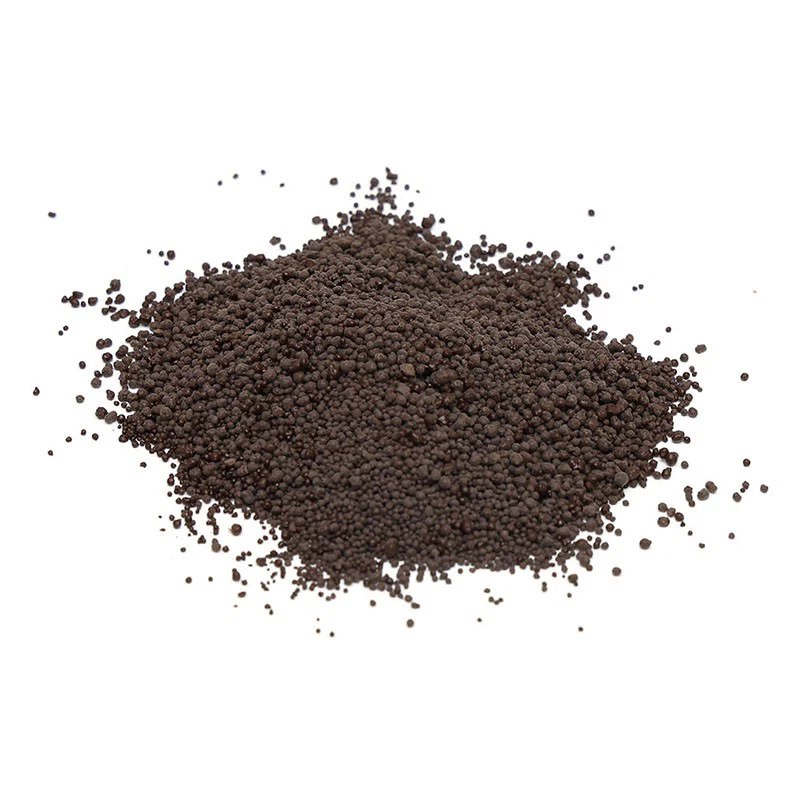
The mixture is then granulated to form the final Yeast Granular Fertilizer product. During the granulation process, the size and shape of the granules are carefully controlled to ensure uniform distribution in the soil and easy application.
Benefits of Yeast Granular Fertilizer
The use of Yeast Granular Fertilizer offers several benefits. Firstly, it provides a slow - release source of nutrients. The yeast and its metabolites gradually break down in the soil, releasing nutrients over an extended period. This reduces the risk of nutrient leaching and ensures that plants have a continuous supply of essential elements.
Secondly, Yeast Granular Fertilizer can improve soil structure. The organic matter in the fertilizer, along with the yeast - derived substances, can increase soil aggregation, improving water infiltration and retention. This creates a more favorable environment for plant root growth.
Finally, it can enhance plant resistance. The nutrients and growth - promoting substances in the fertilizer can strengthen the plant's immune system, making it more resistant to diseases, pests, and environmental stresses such as drought and salinity.

Conclusion
In conclusion, the yeast in Yeast Granular Fertilizer can come from various sources, including brewer's yeast, baker's yeast, and cultivated yeast strains. Each source has its unique characteristics and contributions to the fertilizer's quality and performance.
If you are a farmer, gardener, or involved in the agricultural industry, and you are looking for a high - quality, sustainable, and effective fertilizer solution, our Yeast Granular Fertilizer is an excellent choice. We are committed to providing the best products and services to meet your specific needs. Feel free to contact us for more information and to start a procurement negotiation.
References
- Smith, J. (2018). The Role of Yeast in Organic Fertilizers. Journal of Agricultural Science, 25(3), 123 - 135.
- Johnson, A. (2019). Utilization of Brewer's Yeast in Fertilizer Production. International Journal of Sustainable Agriculture, 32(2), 89 - 98.
- Brown, C. (2020). Cultivated Yeast Strains for Enhanced Plant Growth. Plant Physiology Research, 45(1), 45 - 56.


