




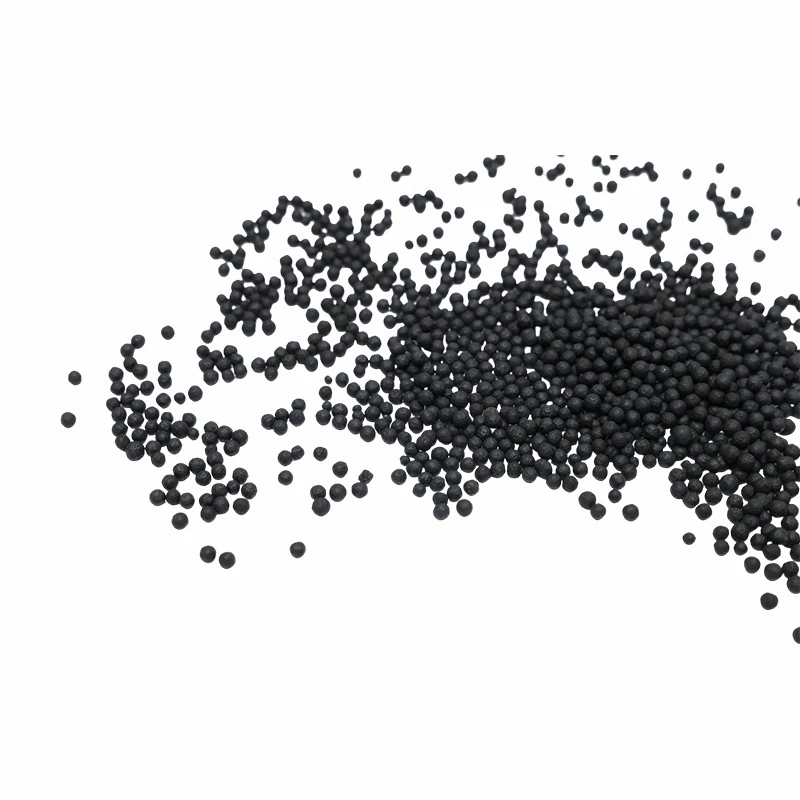
Amino Acid Organic Fertilizer Granule 4-30
Benefits of Organic Fertilizer Granules
- Improved Soil Health: Organic granules improve long-term soil fertility by increasing soil structure (aggregate formation), aeration, and the maintenance of beneficial soil organisms. "Organic granules help support a living soil ecosystem, where there is a host of beneficial soil biota performing multiple ecosystem services for agriculture," says Emily Stone, PhD, soil health specialist.
- Improved Water Retention: Granules improve the fibrous nature of the soil, which keeps it healthy and moist, especially during dry weather, which is bad for the health of plants. Obviously, this property of granules helps lower the frequency of watering, thus saving water – an important aspect for eco-gardening.
- Slow-Release Nutrients: Yet another significant characteristic of organic granules is slow-flush release; a mechanism that makes nutrients available to plants over a period of time; thus, helping plants to grow to their fullest potential as well as reducing the quantity of nutrients flushed into adjacent water bodies, thereby helping to minimize environmental pollution.
- Microbes Thrive: Synthetic fertilizer consists of chemical molecules without carbon. These molecules can sometimes be disruptive and are not accessible to microbes. On the other hand, organic fertilizer is rich in organic matter, which helps microbes thrive. Organic fertilizer contains carbon as part of its chemical makeup; and it is the carbon, along with nitrogen, phosphorus and potassium that feeds microbes and enables them to make nutrients available for plants in a naturally occurring biological process.
- Reduce Fertilizers and pesticides: Although organic fertilizer can be more costly than synthetic, it can reduce the need for pesticides and the overall nitrogen, phosphorus and potassium requirements. Because of the reductions, organic fertilizer can be cost neutral and sometimes a cost savings.
- Plant damage threat avoided: Some synthetic fertilizers can cause plant damage to leaves and roots. This is less likely with organic fertilizers.
- Sustainable and Environmentally Friendly Synthetic fertilizers runoff into our waterways harming marine life and water quality. Organic fertilizers do not run off as easily (if at all) and are associated with soil structure. According to the Organic Trade Association, organic fertilizer also increases species biodiversity by 30% compared with synthetic fertilizer.
Parameter and specs c/w testing report
|
SN |
Des |
Unit |
Index |
Result |
Conclusion |
|
1 |
Organic matter base on drying to calculate |
% |
≥22 |
26.1 |
Qualified |
|
2 |
Total nitrogen base on drying to calculate |
% |
10-14 |
12.41 |
Qualified |
|
3 |
Total phosphorus base on drying to calculate |
% |
0-0.1 |
0 |
Qualified |
|
4 |
Total potassium base on drying to calculate |
% |
0-0.1 |
0 |
Qualified |
|
5 |
Water |
% |
≤20 |
2.5 |
Qualified |
|
6 |
PH |
/ |
3-8.5 |
3.51 |
Qualified |
|
7 |
Total arsenic base on drying to calculate |
mg/kg |
≤15 |
0.2 |
Qualified |
|
8 |
Total mercury base on drying to calculate |
mg/kg |
≤2 |
0.016 |
Qualified |
|
9 |
Total lead base on drying to calculate |
mg/kg |
≤50 |
9.9 |
Qualified |
|
10 |
Total Chrome base on drying to calculate |
mg/kg |
≤3 |
0.5 |
Qualified |
|
11 |
Total cadmium base on drying to calculate |
mg/kg |
≤150 |
11.2 |
Qualified |
Storage and Handling
- Complication: Organic granules are sensitive to damage by moisture from the air, which makes them clump or degrade if not stored in a specific manner.
- Solution: Granular fertilizers store safely in a cool, dry place, in air-tight containers. Store in buildings with reduced moisture such as silica gel packets.
Dosage and Frequency
- Dosage: Follow the application rate noted by manual which is usually based on the size of the area that you are fertilizing (e.g., grams per square meter).
- Frequency: Generally once every 4-6 weeks, during the growing season – depending on the crop's nutrient requirements and the product's nutrient release rate.
Method of Application
- For Vegetable Gardens and Flower Beds:
- Weigh out the correct amount of granules, according to what a soil test you've done advises.
- Scatter the tiny granules around the base of your plants, or on rows above 6 inches from the stems, so they don't touch – which could result in a burn.
- Use a rake or hoe(machine) to gently mix the granules into the top few inches of soil, hastening granule activation, and keeping the granules from being picked up by birds or insects.
- Watering/irrigation
Hot Tags: amino acid organic fertilizer granule 4-30, China amino acid organic fertilizer granule 4-30 manufacturers, suppliers, factory, all purpose granular fertilizer, best organic granular fertilizer, bio organic granules, bio organic zyme fertilizer, General purpose granular fertilizer, Yeast Metabolite Granular Fertilizer
You Might Also Like


Send Inquiry