

As a supplier of Humic Acid Fertilizer, I've often been asked whether our product can prevent plant diseases. This is a question that touches on the core concerns of farmers and gardeners alike, as plant diseases can significantly reduce crop yields and quality. In this blog, I'll delve into the science behind humic acid fertilizer and its potential role in plant disease prevention.
Understanding Humic Acid Fertilizer
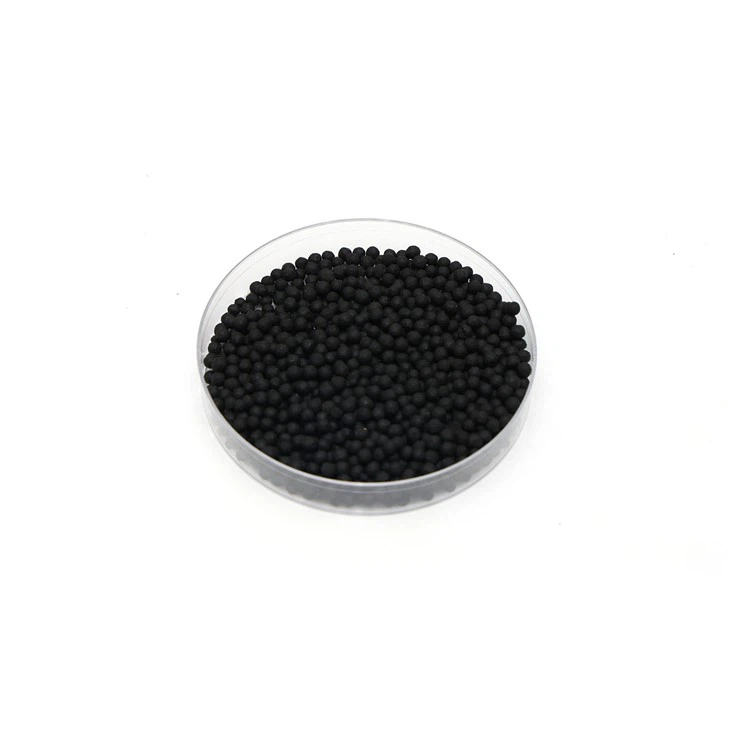
Humic acid is a natural organic substance that forms from the decomposition of plant and animal matter over time. It is a complex mixture of organic acids, carbohydrates, and other compounds. Humic acid fertilizer is derived from sources such as leonardite, peat, and lignite, and it is rich in humic and fulvic acids.
These acids play a crucial role in soil health. They improve soil structure by binding soil particles together, creating a more porous and well - aerated soil. This allows for better water infiltration and root penetration. Additionally, humic acid can chelate essential nutrients such as iron, zinc, and manganese, making them more available to plants.
Mechanisms of Disease Prevention
Strengthening Plant Immunity
One of the ways humic acid fertilizer may help prevent plant diseases is by enhancing plant immunity. When plants are exposed to humic acid, they can produce more defense - related compounds. For example, humic acid can stimulate the production of phytoalexins, which are antimicrobial substances that plants synthesize in response to pathogen attack. These phytoalexins can inhibit the growth and development of various pathogens, including fungi, bacteria, and viruses.
Moreover, humic acid can activate the plant's systemic acquired resistance (SAR) mechanism. SAR is a plant - wide defense response that is triggered by a localized infection. Once activated, SAR primes the plant to respond more quickly and effectively to subsequent pathogen attacks. By promoting SAR, humic acid can help plants build a stronger defense against a wide range of diseases.
Improving Soil Microbial Balance
The soil is home to a vast community of microorganisms, including beneficial bacteria and fungi. These microorganisms play a crucial role in maintaining soil health and protecting plants from diseases. Humic acid fertilizer can act as a food source for these beneficial microbes, promoting their growth and activity.
Beneficial bacteria such as Bacillus and Pseudomonas species can colonize the plant roots and produce antibiotics and other bioactive compounds that inhibit the growth of pathogenic microorganisms. Fungi like Trichoderma can parasitize pathogenic fungi, reducing their ability to infect plants. By improving the soil microbial balance, humic acid fertilizer can create an environment that is less favorable for the growth and survival of plant pathogens.
Enhancing Nutrient Uptake and Plant Vigor
Healthy plants are generally more resistant to diseases. Humic acid fertilizer can improve nutrient uptake by plants, ensuring that they have access to all the essential nutrients they need for growth and development. When plants are well - nourished, they can grow stronger and more vigorously, making them less susceptible to diseases.
For example, a plant with sufficient nitrogen, phosphorus, and potassium will have a better - developed root system, stronger stems, and healthier leaves. This overall improvement in plant vigor can enhance the plant's ability to withstand pathogen attacks. Additionally, humic acid can improve the uptake of micronutrients, which are often essential for the proper functioning of the plant's immune system.
Scientific Evidence
Numerous studies have investigated the effects of humic acid fertilizer on plant disease prevention. For instance, research has shown that the application of humic acid can reduce the incidence of fungal diseases such as powdery mildew and root rot in various crops, including cucumbers, tomatoes, and strawberries.
In a study on cucumber plants, researchers found that the use of humic acid fertilizer significantly reduced the severity of powdery mildew infection. The treated plants had fewer lesions and a lower disease index compared to the control plants. Similar results have been reported for other crops, suggesting that humic acid fertilizer can be an effective tool in disease management.

Complementary Products
While humic acid fertilizer can play an important role in preventing plant diseases, it can also be used in combination with other fertilizers for better results. For example, Bio Organic Fertilizer contains a variety of organic materials and beneficial microorganisms. When used together with humic acid fertilizer, it can further improve soil fertility and plant health.
Fish Protein Powder Fertilizer is another excellent option. It is rich in amino acids and other nutrients that can support plant growth and enhance plant immunity. Combining it with humic acid fertilizer can provide plants with a more comprehensive nutrient supply and better disease - prevention capabilities.
Organic Inorganic Compound Granular Fertilizer offers the advantages of both organic and inorganic fertilizers. The organic component can improve soil structure and microbial activity, while the inorganic component can provide a quick supply of essential nutrients. When used in conjunction with humic acid fertilizer, it can optimize plant growth and disease resistance.
Real - World Applications
In the real world, many farmers and gardeners have reported positive results after using humic acid fertilizer for disease prevention. For example, a strawberry farmer in California noticed a significant reduction in the incidence of gray mold, a common fungal disease, after applying humic acid fertilizer to his fields. The treated plants were healthier, and the fruit quality was improved.
Similarly, a home gardener in Florida found that using humic acid fertilizer in her vegetable garden reduced the occurrence of bacterial wilt in tomatoes. The plants grew more vigorously, and she was able to harvest a larger and healthier crop.
Limitations and Considerations
It's important to note that while humic acid fertilizer shows promise in preventing plant diseases, it is not a silver bullet. The effectiveness of humic acid in disease prevention can be influenced by various factors, such as the type of crop, the severity of the disease pressure, and the application rate and method of the fertilizer.
In some cases, humic acid may not be sufficient to completely prevent diseases, especially in situations where the pathogen pressure is very high. Therefore, it should be used as part of an integrated disease management strategy, which may include other measures such as crop rotation, proper irrigation, and the use of disease - resistant varieties.
Conclusion
In conclusion, humic acid fertilizer has the potential to play an important role in preventing plant diseases. Through mechanisms such as strengthening plant immunity, improving soil microbial balance, and enhancing nutrient uptake, it can help plants build a stronger defense against a wide range of pathogens. While it is not a standalone solution, when used in combination with other fertilizers and disease - management practices, it can contribute to healthier plants and higher crop yields.
If you're interested in learning more about our Humic Acid Fertilizer or discussing how it can fit into your disease - prevention strategy, please feel free to contact us. We're always happy to share our knowledge and expertise and help you find the best solutions for your farming or gardening needs.
References
- Zhang, S., & Schmidt, S. K. (2000). Humic substances stimulate the growth of soil microorganisms. Biology and Fertility of Soils, 31(3), 211 - 217.
- Kuc, J. (1995). Phytoalexins in defense against pathogens. Plant Physiology, 108(1), 1 - 6.
- Van Loon, L. C., Bakker, P. A. H. M., & Pieterse, C. M. J. (2006). Systemic resistance induced by rhizosphere bacteria. Annual Review of Phytopathology, 44(1), 173 - 193.


