

Hey there, fellow plant lovers! As a supplier of seaweed extract fertilizer, I've been getting a lot of questions lately about whether our product can help plants recover from transplant shock. Well, I'm here to share some insights based on scientific knowledge and real - world experiences.
First off, let's talk about what transplant shock is. When you move a plant from one place to another, it goes through a bit of a rough time. The roots get disturbed, and the plant has to adjust to a new environment, including soil conditions, sunlight exposure, and temperature. This can lead to symptoms like wilting, yellowing leaves, and stunted growth. It's like the plant is having a mini - crisis!
Now, seaweed extract fertilizer has been around for a while, and it's got a pretty good reputation in the gardening world. But does it really help with transplant shock? Let's dig into the science.
Seaweed is packed with all sorts of good stuff. It contains essential nutrients like nitrogen, phosphorus, and potassium, which are the big three for plant growth. Nitrogen helps with leafy growth, phosphorus is crucial for root development and flower production, and potassium strengthens the plant's overall health and resistance to stress. When a plant is in transplant shock, these nutrients can give it a much - needed boost to get back on its feet.

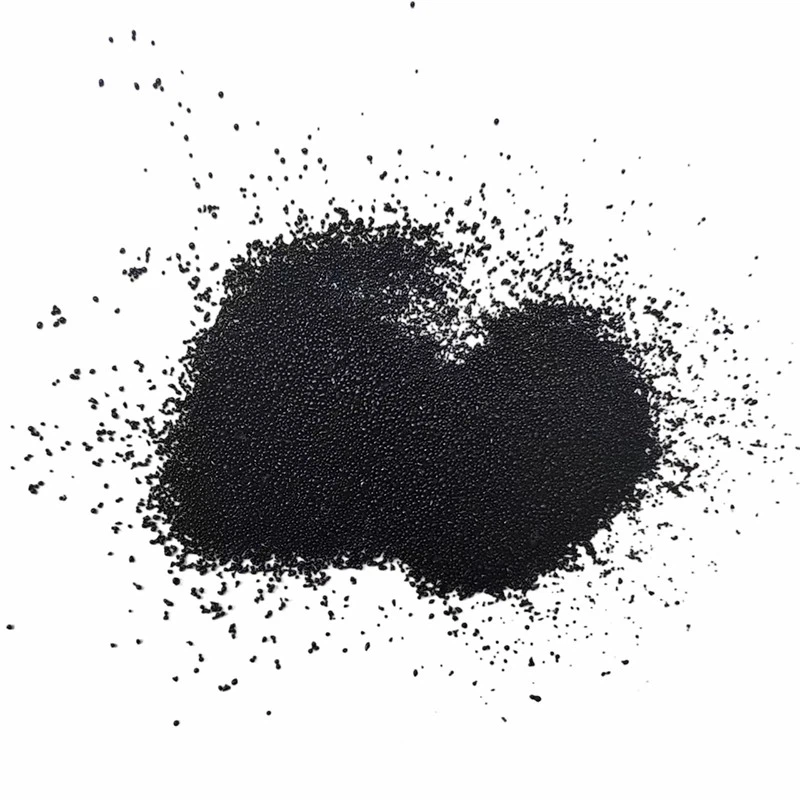
But that's not all. Seaweed also has a bunch of trace elements such as iron, zinc, copper, and manganese. These might be needed in smaller amounts, but they play vital roles in the plant's metabolic processes. For example, iron is involved in photosynthesis, the process by which plants make their food. When a plant is recovering from transplant shock, having these trace elements available can speed up the recovery process.
One of the most interesting components of seaweed extract is the presence of plant hormones. Cytokinins, auxins, and gibberellins are the main ones. Cytokinins promote cell division and growth, which is super important for new root and shoot development after transplanting. Auxins help with root growth and can encourage the plant to establish itself in the new soil. Gibberellins are involved in stem elongation and can help the plant grow taller and stronger.
There have been several studies that support the use of seaweed extract for transplant shock recovery. A research project conducted at a well - known agricultural university found that plants treated with seaweed extract after transplanting showed better root development and less wilting compared to untreated plants. The treated plants also had a higher survival rate and started to grow more vigorously within a shorter period.
In my experience as a supplier, I've heard countless success stories from customers. One gardener told me that he used our Liquid Seaweed Extract Fertilizer on his newly transplanted tomato plants. He was worried about them not making it through the shock, but after a few applications, the plants perked up. The leaves stopped yellowing, and they started to produce new growth. Another customer used our Powdered Seaweed Fertilizer on her flower beds and noticed that the transplanted flowers bloomed earlier and looked healthier than in previous years.
The way you use seaweed extract fertilizer also matters. For newly transplanted plants, you can use a diluted solution of Liquid Seaweed Extract Fertilizer as a root drench. This means pouring the solution directly onto the soil around the plant's roots. This allows the nutrients and hormones to be absorbed quickly by the roots. You can also spray the foliage with a more diluted solution. The leaves can absorb some of the nutrients, which can help the plant recover faster.
If you prefer a more long - term approach, Granular Seaweed Fertiliser is a great option. You can mix it into the soil before transplanting or sprinkle it around the base of the plant after transplanting. The granules slowly release nutrients over time, providing a continuous supply of goodness for the plant as it recovers.
Powdered Seaweed Fertilizer is also very versatile. You can dissolve it in water to make a liquid fertilizer or mix it directly into the soil. It's a convenient option for both small - scale gardeners and larger agricultural operations.
So, to answer the question, yes, seaweed extract fertilizer can definitely help plants recover from transplant shock. The combination of nutrients, trace elements, and plant hormones provides a comprehensive solution to help the plant overcome the stress of being moved.
If you're a gardener, farmer, or just someone who loves plants, I highly recommend giving our seaweed extract fertilizers a try. Whether you're dealing with a few potted plants on your balcony or a large field of crops, our products can make a difference.
If you're interested in learning more or making a purchase, don't hesitate to reach out. We're always happy to answer any questions you might have and help you choose the right product for your needs. Let's work together to get your plants thriving again!
References
- Agricultural Research Journal on Plant Stress Management
- University Studies on Seaweed Extract and Plant Growth


