

As a seasoned soil conditioner supplier, I've received numerous inquiries about the feasibility of using soil conditioners in greenhouses. This blog post aims to delve into this topic, exploring the benefits, considerations, and types of soil conditioners suitable for greenhouse environments.
The Need for Soil Conditioners in Greenhouses
Greenhouses provide a controlled environment for plant growth, but over time, the soil within them can face several challenges. Continuous cropping, limited soil volume, and high-intensity cultivation can lead to soil degradation. Issues such as soil compaction, nutrient imbalances, and poor water retention can significantly impact plant health and productivity.
Soil conditioners play a crucial role in addressing these problems. They can improve soil structure, enhance nutrient availability, and promote beneficial microbial activity. By using soil conditioners in greenhouses, growers can create a more fertile and sustainable growing medium for their plants.
Benefits of Using Soil Conditioners in Greenhouses
1. Improved Soil Structure
One of the primary benefits of soil conditioners is their ability to improve soil structure. In greenhouses, where soil is often compacted due to frequent foot traffic and equipment use, soil conditioners can help loosen the soil, allowing for better root penetration and aeration. This is particularly important for plants with shallow root systems, as it enables them to access water and nutrients more effectively.
2. Enhanced Nutrient Retention and Availability
Soil conditioners can also improve the soil's ability to retain and release nutrients. They act as a buffer, preventing nutrients from leaching out of the soil and making them more available to plants over time. This is especially beneficial in greenhouse environments, where regular fertilization is necessary to support plant growth.
3. Increased Water Holding Capacity
Another advantage of using soil conditioners in greenhouses is their ability to increase the soil's water holding capacity. This helps to reduce water stress on plants, especially during hot and dry periods. By retaining moisture in the soil, soil conditioners can also reduce the frequency of irrigation, saving water and labor costs.
4. Promotion of Beneficial Microbial Activity
Soil conditioners can provide a favorable environment for beneficial soil microorganisms. These microorganisms play a vital role in breaking down organic matter, releasing nutrients, and suppressing plant diseases. In greenhouses, where the soil ecosystem can be disrupted by intensive cultivation, soil conditioners can help to restore and maintain a healthy microbial community.
Types of Soil Conditioners Suitable for Greenhouses
1. Organic Soil Conditioners
Organic soil conditioners, such as compost, manure, and peat moss, are rich in organic matter and nutrients. They can improve soil structure, enhance water holding capacity, and promote microbial activity. Organic soil conditioners are also environmentally friendly and sustainable, making them a popular choice for greenhouse growers.
2. Mineral Soil Conditioners
Mineral soil conditioners, such as lime, gypsum, and Disintegration Silicon Calcium Magnesium Fertilizer, can help to adjust soil pH, improve soil structure, and supply essential minerals to plants. They are particularly useful in correcting soil nutrient imbalances and improving soil fertility.
3. Synthetic Soil Conditioners
Synthetic soil conditioners, such as polymers and hydrogels, are designed to improve soil water holding capacity and reduce water evaporation. They can be used in combination with other soil conditioners to enhance the overall performance of the growing medium. Synthetic soil conditioners are often used in commercial greenhouse operations, where precise control of soil moisture is essential.
Considerations When Using Soil Conditioners in Greenhouses
1. Compatibility with Plants
Before using a soil conditioner in a greenhouse, it's important to consider the specific needs of the plants being grown. Some plants may be sensitive to certain types of soil conditioners, so it's essential to choose a product that is compatible with the crop.
2. Application Rates
The application rate of soil conditioners can vary depending on the type of product, the soil type, and the crop being grown. It's important to follow the manufacturer's instructions carefully to ensure that the soil conditioner is applied at the correct rate. Over-application of soil conditioners can lead to nutrient imbalances and other problems.
3. Timing of Application
The timing of soil conditioner application is also crucial. In general, it's best to apply soil conditioners before planting or during the early stages of plant growth. This allows the soil conditioner to have a greater impact on soil structure and nutrient availability.
4. Environmental Impact
When choosing a soil conditioner, it's important to consider its environmental impact. Some soil conditioners, such as peat moss, are derived from non-renewable resources and can have a negative impact on the environment. It's important to choose products that are sustainable and environmentally friendly.
Conclusion
In conclusion, soil conditioners can be highly beneficial in greenhouse environments. They can improve soil structure, enhance nutrient availability, increase water holding capacity, and promote beneficial microbial activity. By choosing the right type of soil conditioner and applying it correctly, greenhouse growers can create a more fertile and sustainable growing medium for their plants.

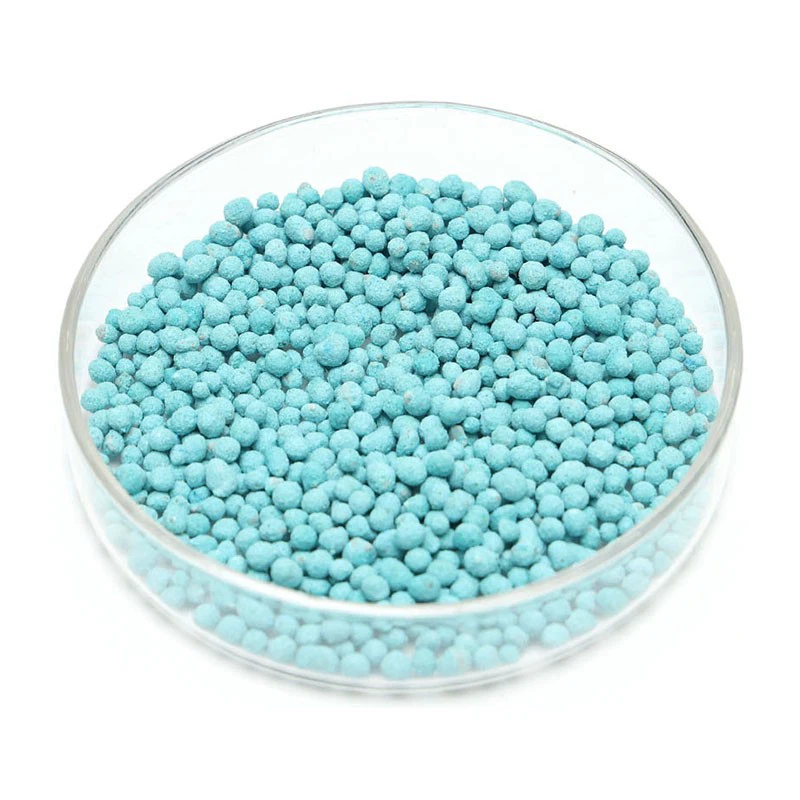
If you're interested in learning more about our soil conditioner products or have any questions about using soil conditioners in greenhouses, please feel free to contact us. We're here to help you achieve the best results for your greenhouse crops.
References
- Brady, N. C., & Weil, R. R. (2008). The nature and properties of soils. Pearson Prentice Hall.
- Havlin, J. L., Tisdale, S. L., Nelson, W. L., & Beaton, J. D. (2005). Soil fertility and fertilizers: An introduction to nutrient management. Pearson Prentice Hall.
- Mengel, K., & Kirkby, E. A. (2001). Principles of plant nutrition. Kluwer Academic Publishers.


