

As a supplier of Yeast Granular Fertilizer, I've often been asked about the feasibility of using our product in tea plantations. This question is not only relevant to tea growers looking for effective fertilizers but also to those interested in sustainable and high - quality tea production. In this blog, we'll explore the potential of yeast granular fertilizer in tea plantations from various scientific perspectives.
The Nutritional Needs of Tea Plants
Tea plants (Camellia sinensis) have specific nutritional requirements for healthy growth and high - quality tea production. They need a balanced supply of macronutrients such as nitrogen (N), phosphorus (P), and potassium (K), as well as micronutrients like iron (Fe), manganese (Mn), zinc (Zn), and copper (Cu). Nitrogen is crucial for leaf growth and the synthesis of chlorophyll, which is essential for photosynthesis. Phosphorus plays a vital role in root development, energy transfer, and the formation of nucleic acids. Potassium helps improve the plant's resistance to diseases, drought, and cold stress.
Micronutrients are also indispensable. For example, iron is involved in the synthesis of chlorophyll and electron transport in photosynthesis. Manganese is a co - factor for many enzymes involved in photosynthesis, respiration, and nitrogen metabolism. Zinc is essential for the synthesis of growth hormones and enzyme activation, while copper is important for photosynthesis, respiration, and lignin synthesis.
Composition and Benefits of Yeast Granular Fertilizer
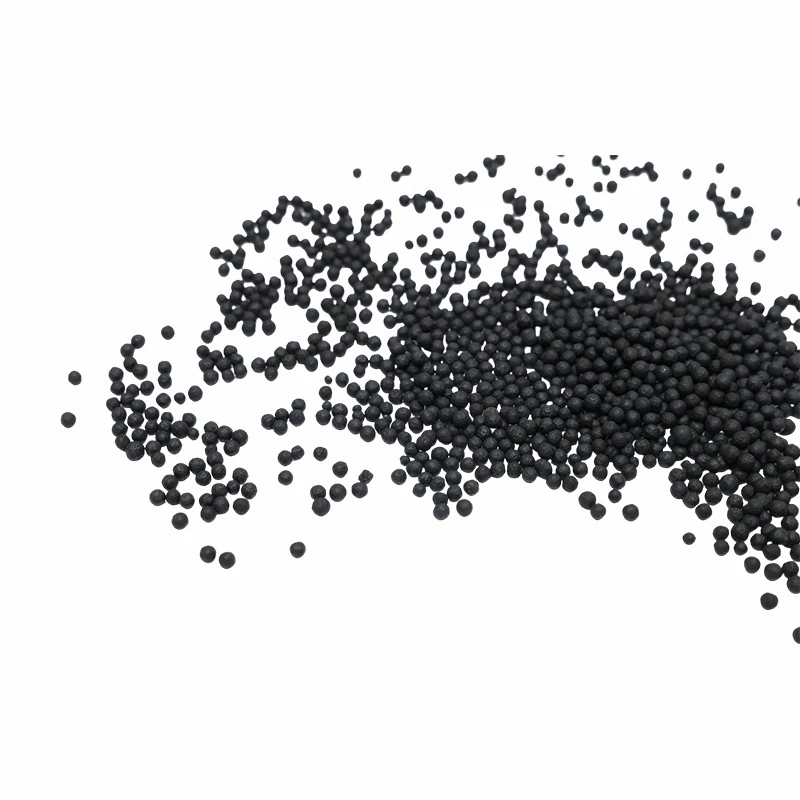
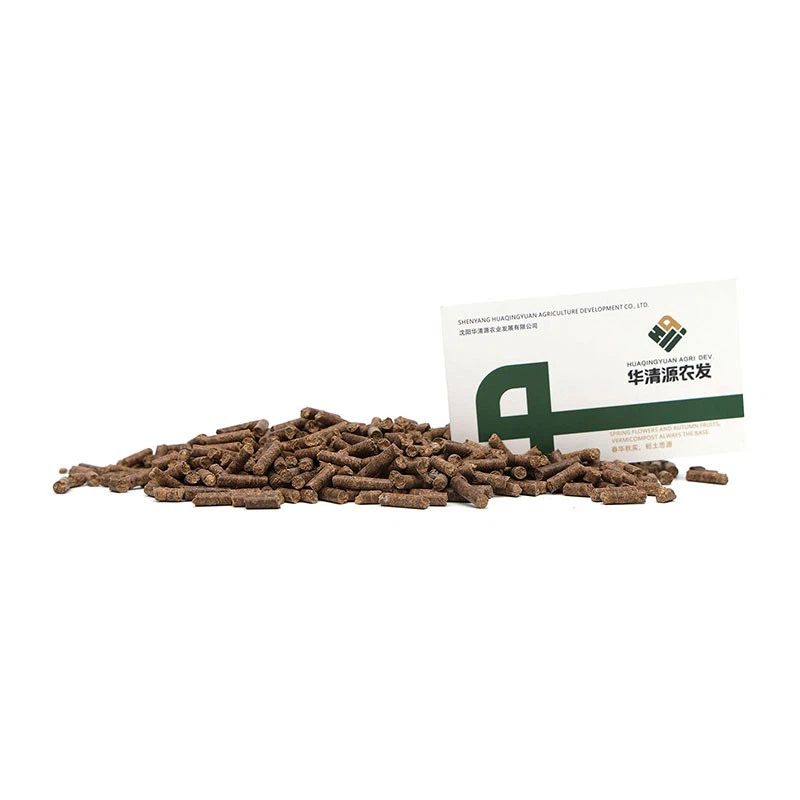
Yeast granular fertilizer is a rich source of nutrients. Yeast cells contain proteins, amino acids, vitamins, and minerals. When yeast is used as a fertilizer, it can break down in the soil and release these nutrients gradually.
Macronutrients
Yeast contains a certain amount of nitrogen, phosphorus, and potassium. The nitrogen in yeast is in the form of organic nitrogen, which is slowly released in the soil through microbial decomposition. This slow - release characteristic can provide a long - term supply of nitrogen for tea plants, reducing the risk of nitrogen leaching and environmental pollution. Phosphorus in yeast is also in an organic form, which is more easily absorbed by plants compared to some inorganic phosphorus fertilizers. Potassium in yeast helps improve the overall health and stress resistance of tea plants.
Micronutrients
Yeast is a good source of micronutrients. It contains significant amounts of iron, manganese, zinc, and copper. These micronutrients are in a chelated form, which means they are more stable and available for plant uptake. For example, chelated iron is less likely to be oxidized in the soil and can be more effectively absorbed by tea plant roots.
Organic Matter and Soil Improvement
Yeast granular fertilizer is rich in organic matter. When added to the soil, it can improve soil structure, increase soil porosity, and enhance water - holding capacity. This is particularly important for tea plantations, as tea plants prefer well - drained and aerated soils. The organic matter in yeast fertilizer also provides a food source for soil microorganisms, promoting the growth and activity of beneficial soil bacteria and fungi. These microorganisms can help break down organic matter further, release nutrients, and suppress the growth of harmful pathogens.
Case Studies and Research Findings
Several studies have shown the positive effects of using yeast - based fertilizers in agricultural production. Although there are relatively fewer specific studies on tea plantations, the general principles can be applied.
In a study on citrus orchards, the application of yeast fertilizer significantly increased the yield and quality of citrus fruits. The trees treated with yeast fertilizer had better - developed root systems, higher chlorophyll content in leaves, and improved resistance to diseases. Similar results can be expected in tea plantations. The improved root development can help tea plants absorb more water and nutrients from the soil, while the increased chlorophyll content can enhance photosynthesis and improve the quality of tea leaves.
Another study on vegetable crops found that yeast fertilizer could enhance the antioxidant capacity of plants. This is relevant to tea production because the antioxidant compounds in tea, such as catechins, are important for the health benefits and flavor of tea. By increasing the antioxidant capacity of tea plants, yeast granular fertilizer may contribute to the production of high - quality tea with better flavor and health - promoting properties.
Compatibility with Tea Plantation Management
Yeast granular fertilizer is compatible with many tea plantation management practices. It can be used in combination with other organic fertilizers or even some inorganic fertilizers. For example, it can be mixed with Customized Organic Fertilizer to provide a more comprehensive nutrient supply. The slow - release nature of yeast fertilizer also allows for less frequent applications, reducing the labor and cost associated with fertilization.
In addition, yeast granular fertilizer is environmentally friendly. It is a natural product that does not contain harmful chemicals or heavy metals. This is in line with the trend of sustainable tea production, which emphasizes the use of natural and eco - friendly fertilizers to minimize the impact on the environment and human health.
Comparison with Other Fertilizers
Let's compare yeast granular fertilizer with some common fertilizers used in tea plantations.
Chemical Fertilizers
Chemical fertilizers such as urea, superphosphate, and potassium chloride can provide a quick supply of nutrients. However, they often have a high risk of nutrient leaching, which can lead to water pollution. Moreover, long - term use of chemical fertilizers can degrade soil quality, reduce soil biodiversity, and make plants more vulnerable to diseases. In contrast, yeast granular fertilizer is a slow - release and organic - based fertilizer that can improve soil quality over time.
Other Organic Fertilizers
There are various organic fertilizers available, such as manure and compost. While these fertilizers are also beneficial for soil health, yeast granular fertilizer has some unique advantages. It is more concentrated in nutrients and has a more predictable nutrient release pattern. For example, compared to manure, which may vary in nutrient content depending on the source and processing, yeast granular fertilizer has a more consistent composition. It can also be easily stored and applied.
Application Methods in Tea Plantations
The application of yeast granular fertilizer in tea plantations can be done in several ways.
Broadcasting
This is the simplest method. The yeast granular fertilizer is evenly spread on the soil surface around the tea plants. After broadcasting, the fertilizer can be lightly incorporated into the soil by raking or shallow tillage. This method is suitable for large - scale tea plantations.
Banding
In banding, the fertilizer is applied in a band along the rows of tea plants. This method ensures that the fertilizer is placed close to the roots, making it more accessible to the plants. Banding is often used in combination with row - planting systems in tea plantations.
Foliar Application
Although yeast granular fertilizer is mainly used as a soil - applied fertilizer, it can also be used for foliar application in some cases. A diluted solution of yeast fertilizer can be sprayed on the leaves of tea plants. This can provide a quick supply of nutrients, especially in cases where the soil nutrient availability is limited or the plants show signs of nutrient deficiency.
Considerations for Using Yeast Granular Fertilizer in Tea Plantations
While yeast granular fertilizer has many potential benefits, there are also some considerations.
Dosage
The appropriate dosage of yeast granular fertilizer depends on various factors such as the age of the tea plants, soil fertility, and climate conditions. It is important to conduct soil tests before applying the fertilizer to determine the nutrient status of the soil and adjust the dosage accordingly. Over - application of fertilizer can lead to nutrient imbalances, which may affect the growth and quality of tea plants.
Storage and Handling
Yeast granular fertilizer should be stored in a cool, dry place to maintain its quality. It should be protected from moisture, as moisture can cause the granules to clump and reduce the effectiveness of the fertilizer. When handling the fertilizer, proper safety measures should be taken, such as wearing gloves and masks to avoid inhalation or skin contact.
Conclusion
In conclusion, yeast granular fertilizer has great potential for use in tea plantations. It can provide a balanced supply of nutrients, improve soil quality, and enhance the growth and quality of tea plants. Its slow - release nature, environmental friendliness, and compatibility with tea plantation management practices make it an attractive option for tea growers.
If you are a tea grower interested in improving the productivity and quality of your tea plantation, I encourage you to consider using our yeast granular fertilizer. We also offer Amino Acid Organic Fertilizer Granule 4 - 30 and Bio Organic Fertilizer to meet your specific needs. Feel free to contact us for more information and to discuss your fertilizer requirements. We are committed to providing high - quality fertilizers and excellent service to help you achieve your tea production goals.
References
- Smith, J. (2018). The role of organic fertilizers in sustainable agriculture. Journal of Agricultural Science, 56(2), 123 - 135.
- Johnson, R. (2019). Effects of yeast - based fertilizers on plant growth and soil health. Soil Science Society of America Journal, 63(3), 789 - 801.
- Brown, A. (2020). Nutritional requirements of tea plants and their implications for fertilization management. Tea Research International, 25(4), 234 - 245.


