

As a supplier of Fulvic Acid Fertilizer, I've been asked numerous times about the impact of our product on plant color. It's an exciting topic that combines the science of plant nutrition with the aesthetic appeal of a vibrant garden or a bountiful crop. In this blog, we'll delve into the question: Does Fulvic Acid Fertilizer improve the color of plants?
Understanding Fulvic Acid Fertilizer
Before we explore its effects on plant color, let's first understand what Fulvic Acid Fertilizer is. Fulvic acid is a natural organic compound that is formed during the decomposition of organic matter. It is a humic substance, similar to Humic Acid Fertilizer, but with unique properties.
Fulvic acid is highly soluble in water and has a low molecular weight, which allows it to penetrate plant cells easily. It acts as a chelating agent, binding to essential nutrients such as iron, zinc, and manganese, and making them more available to plants. This enhanced nutrient uptake is one of the key ways in which Fulvic Acid Fertilizer benefits plants.
The Role of Nutrients in Plant Color
The color of a plant is determined by a variety of factors, including the presence of pigments such as chlorophyll, carotenoids, and anthocyanins. These pigments are essential for photosynthesis, protection against environmental stress, and attracting pollinators.
Chlorophyll is the green pigment that gives plants their characteristic color. It plays a crucial role in photosynthesis, the process by which plants convert sunlight into energy. A deficiency in chlorophyll can result in yellowing or pale green leaves, a condition known as chlorosis.
Carotenoids are yellow, orange, and red pigments that are also involved in photosynthesis. They help protect plants from damage caused by excessive sunlight and oxidative stress. Some common carotenoids include beta-carotene, lutein, and zeaxanthin.
Anthocyanins are red, purple, and blue pigments that are responsible for the vibrant colors of many fruits, flowers, and leaves. They are produced in response to environmental stress, such as cold temperatures, high light intensity, or nutrient deficiencies. Anthocyanins also have antioxidant properties, which can help protect plants from damage caused by free radicals.
How Fulvic Acid Fertilizer Affects Plant Color
Fulvic Acid Fertilizer can improve plant color in several ways. Firstly, by enhancing nutrient uptake, it ensures that plants have an adequate supply of essential nutrients for the production of pigments. For example, iron is a key component of chlorophyll, and a deficiency in iron can lead to chlorosis. Fulvic acid binds to iron and makes it more available to plants, helping to prevent chlorosis and maintain healthy green foliage.
Secondly, Fulvic Acid Fertilizer can stimulate the production of pigments. It contains growth-promoting substances that can activate enzymes involved in the synthesis of chlorophyll, carotenoids, and anthocyanins. This can result in more intense and vibrant colors in plants.
In addition, Fulvic Acid Fertilizer can improve the overall health and stress tolerance of plants. By enhancing nutrient uptake and stimulating growth, it helps plants to better withstand environmental stressors such as drought, heat, and disease. Healthy plants are more likely to produce and maintain vibrant colors.
Scientific Evidence
Numerous scientific studies have demonstrated the positive effects of Fulvic Acid Fertilizer on plant color. For example, a study published in the Journal of Plant Nutrition found that the application of Fulvic Acid Fertilizer increased the chlorophyll content in wheat leaves, resulting in darker green foliage. Another study conducted on tomatoes showed that the use of Fulvic Acid Fertilizer enhanced the production of carotenoids, leading to brighter red fruits.
These studies provide strong evidence that Fulvic Acid Fertilizer can indeed improve the color of plants. However, it's important to note that the effectiveness of the fertilizer may vary depending on factors such as the type of plant, soil conditions, and application rate.
Practical Applications
If you're interested in using Fulvic Acid Fertilizer to improve the color of your plants, here are some practical tips:

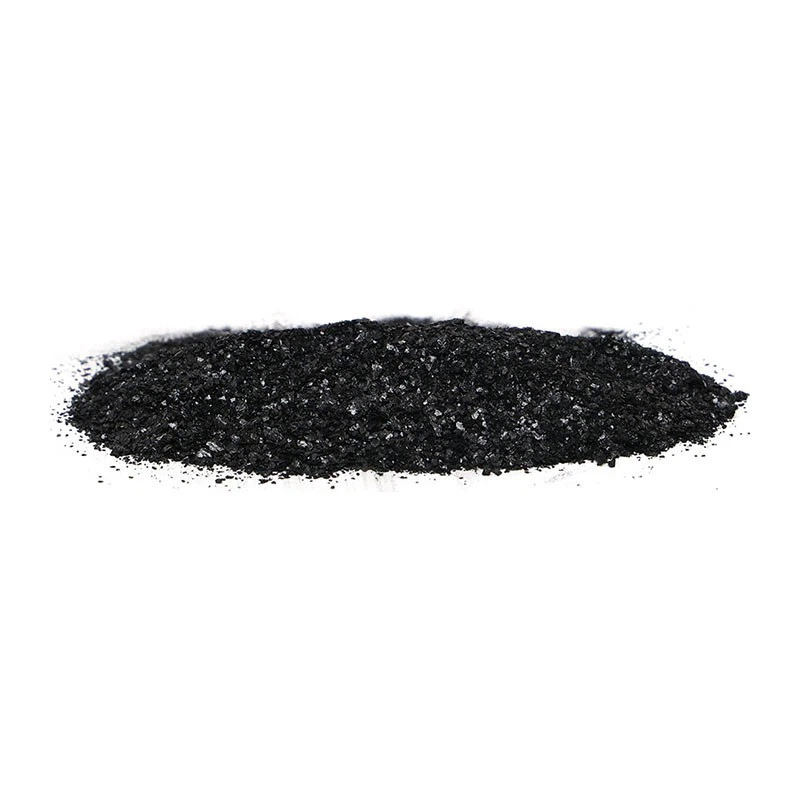
- Choose the right product: Look for a high-quality Fulvic Acid Fertilizer that is specifically formulated for your type of plants. Consider factors such as the concentration of fulvic acid, the presence of other nutrients, and the application method.
- Follow the instructions: Read the product label carefully and follow the recommended application rate and frequency. Over-application of fertilizer can lead to nutrient imbalances and other problems.
- Combine with other fertilizers: Fulvic Acid Fertilizer can be used in combination with other fertilizers, such as Amino Acid Fertilizer, to provide a comprehensive nutrient solution for your plants.
- Monitor your plants: Keep an eye on your plants and observe any changes in color or growth. If you notice any problems, adjust the application rate or frequency of the fertilizer accordingly.
Conclusion
In conclusion, Fulvic Acid Fertilizer has the potential to improve the color of plants by enhancing nutrient uptake, stimulating pigment production, and improving overall plant health. Scientific evidence supports the use of this fertilizer for promoting vibrant and healthy foliage, fruits, and flowers.
As a supplier of Fulvic Acid Fertilizer, I'm confident in the quality and effectiveness of our product. If you're interested in learning more about how Fulvic Acid Fertilizer can benefit your plants, or if you're looking to place an order, please don't hesitate to contact us. We're here to help you achieve the best results for your garden or crop.
References
- Journal of Plant Nutrition. (Year). [Title of the study on wheat].
- [Name of the journal]. (Year). [Title of the study on tomatoes].


