

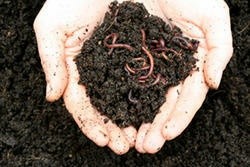
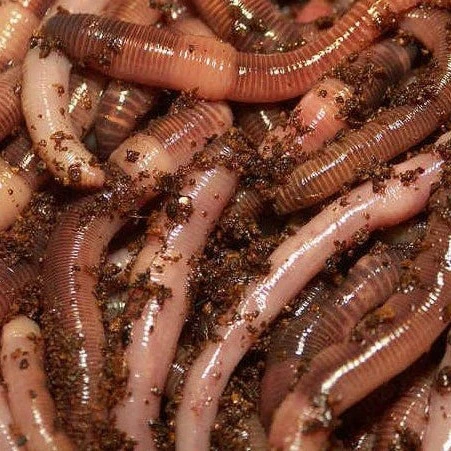
Vermicompost, often hailed as "black gold" in the gardening and agricultural world, is a nutrient - rich organic fertilizer produced through the decomposition of organic matter by earthworms. As a vermicompost supplier, I've witnessed firsthand the transformative power of this natural product, especially when it comes to the growth of trees. In this blog, I'll explore in detail how vermicompost affects the growth of trees and why it's a game - changer for tree health and development.
Nutrient Supply
One of the most significant ways vermicompost impacts tree growth is by providing a comprehensive range of essential nutrients. Trees require a variety of macro - and micronutrients for proper growth, and vermicompost is a veritable treasure trove of these elements.
Macronutrients such as nitrogen (N), phosphorus (P), and potassium (K) are present in vermicompost in forms that are readily available to trees. Nitrogen is crucial for leaf and stem growth, as it is a key component of chlorophyll, the pigment that enables photosynthesis. Phosphorus plays a vital role in root development, energy transfer, and flower and fruit production. Potassium helps trees withstand stress, improve water use efficiency, and enhance overall disease resistance.
In addition to these macronutrients, vermicompost also contains a host of micronutrients like calcium, magnesium, iron, zinc, and manganese. These micronutrients are essential for various physiological processes in trees, including enzyme activation, hormone synthesis, and cell division. For example, calcium is important for cell wall structure, while iron is necessary for chlorophyll synthesis.
The slow - release nature of nutrients in vermicompost is another advantage. Unlike synthetic fertilizers that can cause a rapid spike in nutrient levels followed by a quick decline, vermicompost releases nutrients gradually over time. This ensures a steady supply of nutrients to the trees, reducing the risk of nutrient leaching and over - fertilization. It also helps trees maintain a more balanced growth rate, which is beneficial for long - term health.
Soil Structure Improvement
Vermicompost has a remarkable ability to improve soil structure, which in turn has a positive impact on tree growth. When added to the soil, vermicompost acts as a soil conditioner, enhancing its physical properties.
Firstly, vermicompost increases soil porosity. Porous soil allows for better air circulation and water infiltration. Trees need oxygen in the soil for root respiration, and a well - aerated soil environment promotes healthy root growth. Good water infiltration means that water can penetrate the soil easily, reaching the tree roots more effectively. This reduces the risk of waterlogging, which can lead to root rot and other diseases.
Secondly, vermicompost helps to bind soil particles together, creating stable aggregates. These aggregates improve soil structure and prevent soil erosion. In areas with heavy rainfall or strong winds, the presence of vermicompost in the soil can help keep the soil in place around the tree roots, protecting them from damage.
Moreover, improved soil structure also enhances the soil's ability to hold water. Vermicompost has a high water - holding capacity, which means it can retain moisture in the soil for longer periods. This is particularly beneficial during dry spells, as it helps trees withstand drought stress by providing a continuous supply of water to the roots.
Microbial Activity Enhancement
The addition of vermicompost to the soil stimulates microbial activity. Vermicompost is teeming with beneficial microorganisms such as bacteria, fungi, and actinomycetes. These microorganisms play a crucial role in the soil ecosystem and have a direct impact on tree growth.
Bacteria in vermicompost help to break down organic matter further, releasing additional nutrients in the process. Some bacteria also have the ability to fix atmospheric nitrogen, converting it into a form that can be used by the trees. This natural nitrogen - fixing process reduces the need for external nitrogen fertilizers.
Fungi, especially mycorrhizal fungi, form symbiotic relationships with tree roots. Mycorrhizal fungi colonize the root system, extending the reach of the roots and increasing their surface area for nutrient and water uptake. They can also help trees access nutrients that are otherwise difficult to obtain, such as phosphorus. In return, the trees provide the fungi with carbohydrates produced through photosynthesis.
Actinomycetes are another group of beneficial microorganisms in vermicompost. They produce antibiotics and other bioactive compounds that can suppress soil - borne pathogens. This helps to protect the trees from diseases, reducing the need for chemical pesticides.
The presence of a diverse and active microbial community in the soil also improves soil fertility and overall soil health. Microorganisms contribute to the cycling of nutrients, the decomposition of organic matter, and the formation of humus, which is a stable form of organic matter that enriches the soil.
Disease and Pest Resistance
Trees grown in soil amended with vermicompost tend to have better disease and pest resistance. As mentioned earlier, the beneficial microorganisms in vermicompost can suppress soil - borne pathogens. In addition, the improved nutrient status and overall health of the trees make them more resilient to diseases and pests.
Healthy trees are better able to defend themselves against attacks. For example, a tree with a well - developed root system and a balanced nutrient supply is more likely to produce strong cell walls and other defense mechanisms. The slow - release of nutrients from vermicompost also helps trees maintain a consistent level of health, which is important for disease resistance.
Some studies have also shown that vermicompost can have a repellent effect on certain pests. The bioactive compounds in vermicompost may deter insects and other pests from feeding on the trees. For instance, the presence of certain volatile compounds in vermicompost may make the trees less attractive to pests.
Case Studies and Real - World Examples
There are numerous real - world examples that demonstrate the positive effects of vermicompost on tree growth. In urban forestry projects, the use of vermicompost has been shown to improve the survival rate and growth of newly planted trees. For example, in a city park where vermicompost was used during tree planting, the trees showed faster growth, greener foliage, and better overall health compared to trees planted in non - amended soil.
In commercial orchards, the application of vermicompost has led to increased fruit yield and improved fruit quality. Trees in orchards treated with vermicompost produced larger, juicier fruits with better flavor. The enhanced soil fertility and tree health also reduced the incidence of diseases and pests, resulting in lower production costs.
Conclusion
In conclusion, vermicompost has a profound and multi - faceted impact on the growth of trees. It provides essential nutrients, improves soil structure, enhances microbial activity, and boosts disease and pest resistance. As a vermicompost supplier, I'm confident in recommending vermicompost as a sustainable and effective solution for promoting tree growth.
If you're interested in using Earth Worm Granular Fertilizer for your tree - growing needs, whether it's for a small home garden, a large - scale forestry project, or an orchard, I encourage you to get in touch. We can discuss your specific requirements and how vermicompost can be incorporated into your tree - care routine. Contact us to start a conversation about purchasing vermicompost and taking your tree growth to the next level.
References
- Arancon, N. Q., Edwards, C. A., Bierman, P., Welch, C., & Metzger, J. D. (2004). Influence of vermicomposts on field strawberries: 1. Effects on growth and yields. Bioresource Technology, 93(2), 145 - 153.
- Atiyeh, R. M., Subler, S., Edwards, C. A., Metzger, J. D., & Arancon, N. Q. (2002). Changes in biochemical properties of horticultural container media amended with vermicomposts. Bioresource Technology, 84(3), 201 - 206.
- Dominguez, J., & Edwards, C. A. (2011). Vermicomposting. In Encyclopedia of Soils in the Environment (pp. 103 - 111). Elsevier.


