

Magnesium is an essential nutrient for plant growth and development, playing a crucial role in various physiological processes. As a magnesium fertilizer supplier, I've witnessed firsthand the significant impact of magnesium fertilizers on fruit crops. In this blog, I'll explore how magnesium fertilizer affects the ripening process of fruits.
The Role of Magnesium in Plant Physiology
Before delving into the impact on fruit ripening, it's important to understand the fundamental role of magnesium in plants. Magnesium is the central atom in the chlorophyll molecule, which is responsible for photosynthesis—the process by which plants convert light energy into chemical energy. This energy is then used for various metabolic activities, including the synthesis of carbohydrates, proteins, and lipids.

Magnesium also activates numerous enzymes involved in plant metabolism. These enzymes are essential for energy production, DNA and RNA synthesis, and the regulation of plant hormones. Without adequate magnesium, plants cannot perform these vital functions efficiently, which can lead to stunted growth and reduced productivity.
Magnesium and Fruit Ripening
Fruit ripening is a complex physiological process that involves a series of biochemical changes, including the breakdown of starch into sugars, the softening of the fruit flesh, and the development of flavor and aroma compounds. Magnesium plays a key role in several of these processes.
Sugar Accumulation
One of the most significant changes during fruit ripening is the accumulation of sugars, which contributes to the sweetness of the fruit. Magnesium is involved in the synthesis and translocation of carbohydrates, including sugars. It activates enzymes such as sucrose phosphate synthase, which is responsible for the synthesis of sucrose—the primary sugar transported in plants. By enhancing the activity of these enzymes, magnesium fertilizers can promote the production and accumulation of sugars in fruits, resulting in sweeter and more flavorful produce.
Color Development
The development of color in fruits is another important aspect of ripening. Many fruits, such as tomatoes, apples, and grapes, change color as they ripen due to the synthesis and accumulation of pigments, such as carotenoids and anthocyanins. Magnesium is involved in the synthesis of these pigments by activating enzymes involved in their biosynthetic pathways. For example, magnesium activates the enzyme phytoene synthase, which is a key enzyme in the carotenoid biosynthesis pathway. By promoting the synthesis of pigments, magnesium fertilizers can enhance the color development of fruits, making them more visually appealing to consumers.
Fruit Softening
Fruit softening is a complex process that involves the breakdown of cell wall components, such as pectin and cellulose. Magnesium is involved in the regulation of cell wall metabolism by activating enzymes such as pectin methylesterase and polygalacturonase, which are responsible for the degradation of pectin. By enhancing the activity of these enzymes, magnesium fertilizers can promote the softening of fruits, making them more palatable and easier to eat.
Flavor and Aroma Development
The development of flavor and aroma compounds is another important aspect of fruit ripening. These compounds are responsible for the characteristic taste and smell of fruits. Magnesium is involved in the synthesis of flavor and aroma compounds by activating enzymes involved in their biosynthetic pathways. For example, magnesium activates the enzyme lipoxygenase, which is involved in the synthesis of volatile compounds that contribute to the aroma of fruits. By promoting the synthesis of flavor and aroma compounds, magnesium fertilizers can enhance the sensory quality of fruits, making them more delicious and appealing to consumers.
Types of Magnesium Fertilizers
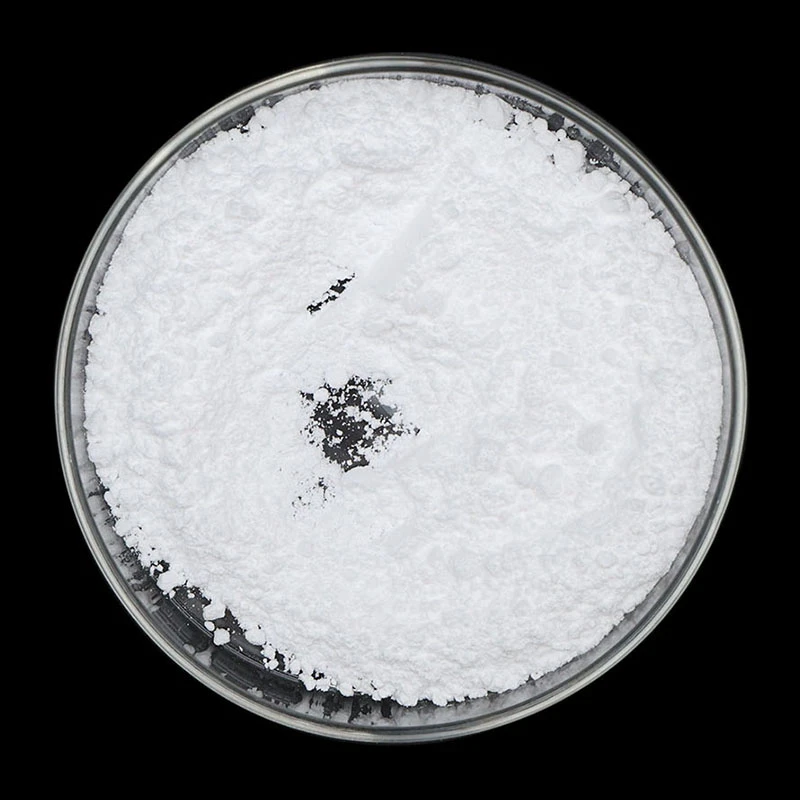
There are several types of magnesium fertilizers available on the market, each with its own advantages and disadvantages. As a magnesium fertilizer supplier, I offer a range of high-quality magnesium fertilizers, including Mangesium Sulphate Monohydrate, Mangesium Sulphate andhyrous, and Magnesium Sulphate Heptahydrate.
Magnesium Sulphate Monohydrate
Magnesium sulphate monohydrate is a highly soluble magnesium fertilizer that contains 25% magnesium and 22% sulfur. It is a popular choice for foliar applications and soil amendments, as it can be easily absorbed by plants. Magnesium sulphate monohydrate is also relatively inexpensive and widely available, making it a cost-effective option for farmers and growers.
Magnesium Sulphate Anhydrous
Magnesium sulphate anhydrous is a concentrated form of magnesium sulphate that contains 29% magnesium and 23% sulfur. It is a fast-acting fertilizer that can be used for both soil and foliar applications. Magnesium sulphate anhydrous is particularly useful for correcting magnesium deficiencies in soils with high calcium levels, as it is less likely to react with calcium to form insoluble compounds.
Magnesium Sulphate Heptahydrate
Magnesium sulphate heptahydrate, also known as Epsom salt, is a common magnesium fertilizer that contains 10% magnesium and 13% sulfur. It is a slow-release fertilizer that can be used for soil applications. Magnesium sulphate heptahydrate is often used in organic farming and gardening due to its natural origin and low toxicity.
Application of Magnesium Fertilizers
The application rate and timing of magnesium fertilizers depend on several factors, including the type of soil, the crop being grown, and the severity of the magnesium deficiency. In general, magnesium fertilizers can be applied either as a soil amendment or as a foliar spray.
Soil Application
Soil application is the most common method of applying magnesium fertilizers. It involves incorporating the fertilizer into the soil before planting or during the growing season. The application rate of magnesium fertilizers for soil application typically ranges from 20 to 50 kg/ha, depending on the soil type and the crop being grown. It is important to ensure that the fertilizer is evenly distributed throughout the soil to ensure uniform uptake by the plants.
Foliar Application
Foliar application is a method of applying fertilizers directly to the leaves of plants. It is a quick and effective way to correct magnesium deficiencies in plants, especially during the growing season. The application rate of magnesium fertilizers for foliar application typically ranges from 0.5 to 2% solution, depending on the crop being grown. It is important to apply the foliar spray early in the morning or late in the evening to avoid leaf burn.
Benefits of Using Magnesium Fertilizers
The use of magnesium fertilizers can provide several benefits for fruit growers, including:
Improved Fruit Quality
By promoting sugar accumulation, color development, and flavor and aroma development, magnesium fertilizers can improve the quality of fruits, making them more appealing to consumers. This can result in higher market prices and increased profitability for growers.
Increased Yield
Magnesium fertilizers can also increase the yield of fruit crops by promoting plant growth and development. By enhancing the activity of enzymes involved in photosynthesis and carbohydrate metabolism, magnesium fertilizers can increase the production of biomass and fruit set, resulting in higher yields.
Enhanced Nutritional Value
In addition to improving the taste and appearance of fruits, magnesium fertilizers can also enhance their nutritional value. Fruits grown with adequate magnesium levels are typically higher in vitamins, minerals, and antioxidants, which are beneficial for human health.
Resistance to Stress
Magnesium plays a role in the plant's ability to resist stress, including drought, heat, and disease. By enhancing the plant's physiological processes, magnesium fertilizers can improve the plant's tolerance to these stressors, resulting in healthier and more productive crops.
Conclusion
In conclusion, magnesium fertilizers play a crucial role in the ripening process of fruits by promoting sugar accumulation, color development, fruit softening, and flavor and aroma development. As a magnesium fertilizer supplier, I am committed to providing high-quality magnesium fertilizers that can help growers produce delicious, nutritious, and visually appealing fruits. If you are interested in learning more about our magnesium fertilizers or would like to discuss your specific needs, please don't hesitate to contact us. We look forward to working with you to help you achieve your agricultural goals.
References
- Marschner, H. (2012). Mineral Nutrition of Higher Plants. Academic Press.
- Taiz, L., & Zeiger, E. (2010). Plant Physiology. Sinauer Associates.
- White, P. J., & Broadley, M. R. (2009). Biofortification of crops with seven mineral elements often lacking in human diets--iron, zinc, copper, calcium, magnesium, selenium and iodine. New Phytologist, 182(4), 49-84.


