

Hey there, fellow garden enthusiasts! I'm stoked to share my knowledge about using vermicompost in your vegetable garden. As a vermicompost supplier, I've seen firsthand the amazing benefits it brings to the soil and plants. So, let's dive right in and explore how you can make the most of this natural fertilizer.
What is Vermicompost?
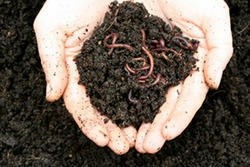
First things first, let's talk about what vermicompost actually is. Vermicompost is the end product of the decomposition process carried out by earthworms. These little critters munch on organic matter like food scraps, leaves, and manure, and in the process, they break it down into a nutrient-rich substance that's perfect for your garden.
Vermicompost is often referred to as "black gold" because of its high nutrient content. It's packed with essential nutrients like nitrogen, phosphorus, and potassium, as well as beneficial microorganisms that help improve soil structure and fertility. Unlike chemical fertilizers, vermicompost is all-natural and environmentally friendly, making it a great choice for sustainable gardening.
Benefits of Using Vermicompost in a Vegetable Garden
There are numerous benefits to using vermicompost in your vegetable garden. Here are just a few:
- Improves Soil Structure: Vermicompost helps to loosen compacted soil, allowing for better water infiltration and root growth. It also improves soil aeration, which is essential for healthy plant development.
- Enhances Nutrient Availability: The nutrients in vermicompost are slowly released over time, providing a steady supply of food for your plants. This helps to prevent nutrient deficiencies and ensures that your vegetables grow strong and healthy.
- Boosts Plant Growth and Yield: Studies have shown that using vermicompost can significantly increase plant growth and yield. Vegetables grown in soil amended with vermicompost tend to be larger, more flavorful, and more resistant to pests and diseases.
- Suppresses Plant Diseases: Vermicompost contains beneficial microorganisms that help to suppress plant diseases. These microorganisms compete with harmful pathogens for nutrients and space, reducing the likelihood of disease outbreaks.
- Reduces the Need for Chemical Fertilizers: By using vermicompost, you can reduce your reliance on chemical fertilizers, which can be harmful to the environment and human health. Vermicompost is a natural alternative that provides all the nutrients your plants need without the negative side effects.
How to Use Vermicompost in a Vegetable Garden
Now that you know the benefits of using vermicompost, let's talk about how to use it in your vegetable garden. Here are some tips to get you started:
- Prepare the Soil: Before planting your vegetables, prepare the soil by removing any weeds or debris. Then, spread a layer of vermicompost over the soil surface and work it into the top 6-8 inches of soil using a garden fork or tiller. Aim for a ratio of about 1 part vermicompost to 3 parts soil.
- Use Vermicompost as a Top Dressing: Throughout the growing season, you can apply a thin layer of vermicompost around the base of your plants as a top dressing. This will help to replenish the nutrients in the soil and keep your plants healthy.
- Make Vermicompost Tea: Vermicompost tea is a liquid fertilizer that you can make by steeping vermicompost in water. To make vermicompost tea, fill a bucket with water and add a few handfuls of vermicompost. Let the mixture steep for 24-48 hours, stirring occasionally. Then, strain the liquid through a cheesecloth or fine-mesh strainer and use it to water your plants.
- Mix Vermicompost with Potting Soil: If you're growing vegetables in containers, you can mix vermicompost with potting soil to create a nutrient-rich growing medium. Aim for a ratio of about 1 part vermicompost to 2 parts potting soil.
How Much Vermicompost to Use
The amount of vermicompost you need to use depends on several factors, including the type of soil, the type of vegetables you're growing, and the size of your garden. As a general rule of thumb, you should aim to apply about 1-2 inches of vermicompost to the soil surface each year. However, you may need to adjust this amount based on your specific circumstances.

If you're unsure how much vermicompost to use, it's always a good idea to start with a small amount and gradually increase it over time. You can also consult with a local gardening expert or extension agent for more specific recommendations.
Where to Buy Vermicompost
As a vermicompost supplier, I can tell you that there are several places where you can buy vermicompost. Here are some options:
- Garden Centers: Many garden centers sell vermicompost in bags or bulk. Look for a high-quality product that's made from organic materials and has been properly composted.
- Farmers' Markets: Some farmers' markets also sell vermicompost. This is a great way to support local farmers and get a fresh, high-quality product.
- Online Retailers: There are several online retailers that sell vermicompost. This is a convenient option if you don't have access to a local garden center or farmers' market. Just make sure to read the reviews and choose a reputable seller.
If you're interested in purchasing vermicompost from me, please feel free to [contact me] to discuss your needs and place an order. I offer a variety of vermicompost products, including Earth Worm Granular Fertilizer, which is a convenient and easy-to-use option for your vegetable garden.
Tips for Using Vermicompost
Here are some additional tips to help you get the most out of your vermicompost:
- Store Vermicompost Properly: Vermicompost should be stored in a cool, dry place to prevent it from drying out or becoming moldy. You can store it in a sealed container or bag until you're ready to use it.
- Don't Overdo It: While vermicompost is a great fertilizer, it's possible to overdo it. Using too much vermicompost can lead to nutrient imbalances and other problems. Follow the recommended application rates and adjust as needed based on your soil and plant needs.
- Combine Vermicompost with Other Amendments: Vermicompost can be combined with other organic amendments, such as compost, manure, and leaf mold, to create a well-balanced growing medium. This will help to provide your plants with a wide range of nutrients and improve soil structure.
- Be Patient: It takes time for vermicompost to break down and release its nutrients into the soil. Don't expect to see immediate results. With regular use, you'll notice a gradual improvement in the health and productivity of your vegetable garden.
Conclusion
Using vermicompost in your vegetable garden is a great way to improve soil fertility, boost plant growth, and reduce your environmental impact. By following the tips and guidelines outlined in this blog post, you can make the most of this natural fertilizer and enjoy a bountiful harvest of healthy, delicious vegetables.
If you have any questions or need more information about using vermicompost in your vegetable garden, please don't hesitate to [contact me]. I'm here to help you succeed in your gardening endeavors.
References
- "The Compost Gardener's Handbook" by Barbara Pleasant
- "Teaming with Microbes: The Organic Gardener's Guide to the Soil Food Web" by Jeff Lowenfels and Wayne Lewis
- "The Vegetable Gardener's Bible" by Edward C. Smith


