

Hey there! As an organic fertilizer supplier, I've been super interested in how our products interact with soil enzymes. It's like a little hidden world beneath our feet, and understanding this interaction can really help farmers and gardeners get the most out of their land.
Let's start by talking a bit about soil enzymes. These little guys are like the workers in a big factory. They're proteins that speed up chemical reactions in the soil. There are all sorts of soil enzymes, each with its own job. For example, there are enzymes that break down organic matter, like dead leaves and roots, into nutrients that plants can use. Others help with the cycling of important elements like nitrogen, phosphorus, and carbon.
Now, when it comes to organic fertilizers, they're a bit different from synthetic ones. Organic fertilizers are made from natural materials, like animal manure, compost, and plant residues. They're full of organic matter and nutrients, but they also have a big impact on soil enzymes.
One of the ways organic fertilizers interact with soil enzymes is by providing them with a food source. You see, soil enzymes need energy to do their jobs, and the organic matter in our fertilizers gives them that energy. When we add organic fertilizer to the soil, it's like throwing a big party for the soil enzymes. They get to work breaking down the organic matter, releasing nutrients in the process.
Take Fulvic Acid Fertilizer for example. Fulvic acid is a type of organic acid that's found in our fertilizer. It's really good at stimulating soil enzymes. It can increase the activity of enzymes like urease, which is important for nitrogen cycling. When urease is more active, it can break down urea (a common nitrogen source) into ammonia, which plants can then take up more easily.
Another type of organic fertilizer we offer is Amino Acid Fertilizer. Amino acids are the building blocks of proteins, and they're also important for soil enzyme activity. They can act as cofactors for enzymes, which means they help the enzymes work more efficiently. For instance, some amino acids can bind to enzymes and change their shape, making them more active. This can lead to better nutrient cycling and plant growth.
Humic Acid Fertilizer is also a great product. Humic acid can improve the soil structure, which in turn affects soil enzyme activity. It helps to create pore spaces in the soil, allowing air and water to move more freely. This is important because soil enzymes need oxygen and water to function. When the soil structure is improved, the enzymes can do their jobs more effectively.
But it's not just about providing energy and cofactors. Organic fertilizers can also protect soil enzymes from being damaged. In some cases, synthetic fertilizers can create an environment that's too harsh for soil enzymes. They can change the pH of the soil or introduce chemicals that can denature the enzymes. Organic fertilizers, on the other hand, are more gentle on the soil. They help to maintain a stable soil environment, which is good for the long - term health of the soil enzymes.
Let's talk about the long - term effects of using organic fertilizers on soil enzymes. Over time, regular application of organic fertilizers can increase the diversity and abundance of soil enzymes. This is a good thing because a more diverse enzyme community can handle a wider range of tasks. For example, it can break down different types of organic matter more efficiently, and it can be more resilient to environmental changes.
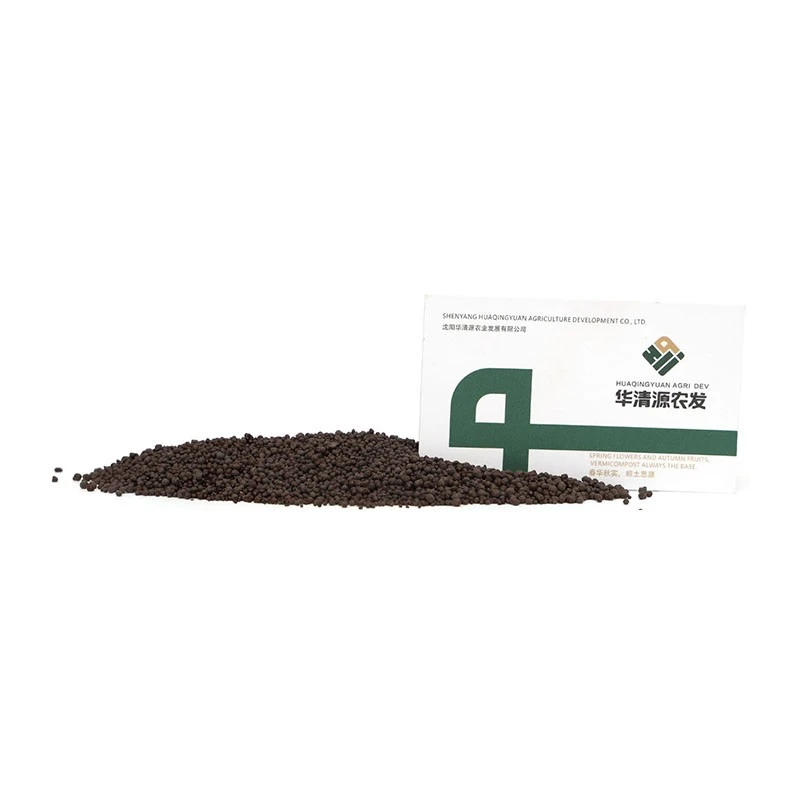
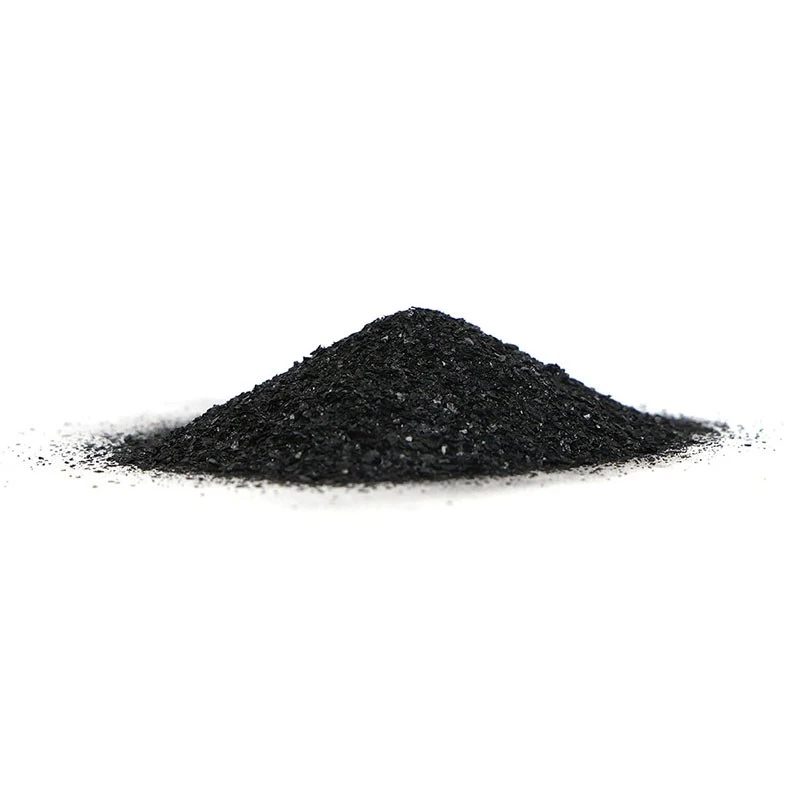
When we have a healthy soil enzyme community, it can lead to better soil fertility. The nutrients that are released by the enzymes are more available to plants, which means better plant growth and higher yields. And let's not forget about the environmental benefits. Using organic fertilizers that support soil enzymes can reduce the need for synthetic fertilizers, which can have negative impacts on the environment, like water pollution.
Now, I know some of you might be thinking, "That all sounds great, but how do I know which organic fertilizer is right for my soil?" Well, it really depends on your soil type, the crops you're growing, and your specific goals. If you have a soil that's low in nitrogen, our Amino Acid Fertilizer might be a good choice. If you're looking to improve the soil structure and stimulate enzyme activity, Humic Acid Fertilizer could be the way to go. And if you want to boost the overall nutrient cycling in your soil, Fulvic Acid Fertilizer is a great option.
We're here to help you make the right decision. Our team of experts can analyze your soil and recommend the best organic fertilizer for your needs. We've been in the business for a while, and we've seen firsthand the amazing results that can come from using our products.
If you're interested in learning more about our organic fertilizers and how they interact with soil enzymes, or if you're ready to place an order, we'd love to hear from you. Just reach out to us, and we'll be happy to have a chat with you about your farming or gardening goals. Whether you're a small - scale gardener or a large - scale farmer, we have the right organic fertilizer for you. Let's work together to create healthier soil, better plants, and a more sustainable future.
References
- Burns, R. G., DeForest, J. L., Marxsen, J., Sinsabaugh, R. L., Stromberger, M. E., Wallenstein, M. D., & Weintraub, M. N. (2013). Soil enzymes in a changing environment: Current knowledge and future directions. Soil Biology and Biochemistry, 58, 216 - 234.
- Nannipieri, P., Giagnoni, L., Renella, G., Muscolo, A., & Ceccanti, B. (2012). Soil enzymes and environmental change. Advances in Agronomy, 114, 1 - 50.
- Zhang, H., Sun, X., & Zhang, F. (2018). Effects of organic and inorganic fertilizers on soil enzyme activities and microbial community structure in a long - term fertilization experiment. Biology and Fertility of Soils, 54(3), 339 - 349.


